Second Conference on Attribution Science and Climate Law – Program
The full agenda for the Second Conference on Attribution Science and Climate Law is available here.
Below is the list of speakers and their biographies organized by day and panel.
Day 1: June 10, 2026
Moderator
- Dr. Radley Horton, Professor of Climate, Provost's Senior Faculty Teaching Scholar, Columbia Climate School
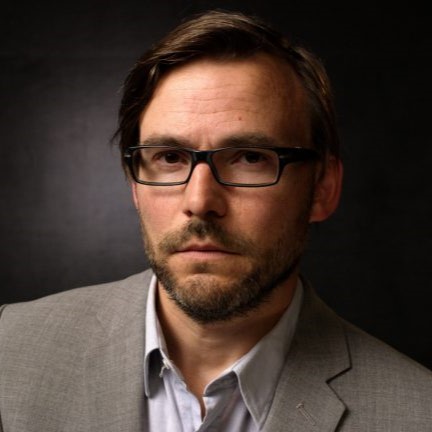
Radley Horton is a Professor at Columbia University’s Climate School. His research focuses on climate extremes, tail risks, climate impacts, and adaptation. Radley was a Convening Lead Author for the Third National Climate Assessment. He currently is the Principal Investigator for the NOAA-Climate Adaptation Partnerships-funded Consortium for Climate Risk in the Urban Northeast. He is also the Columbia University lead for the NSF Funded Megalopolitan Coastal Transformation Hub (MACH) and the Department of Interior-funded Northeast Climate Adaptation Science Center. Radley has served on numerous national and international task forces and committees, including the Climate Scenarios Task Force in support of the 2018 National Climate Assessment, and he often appears on national and international television, radio, and in print. Radley also teaches/is developing graduate courses on climate risk assessment.
Speakers
- Dr. Cynthia Rosenzweig, Senior Research Scientist, NASA Goddard Institute for Space Studies, Columbia Climate School
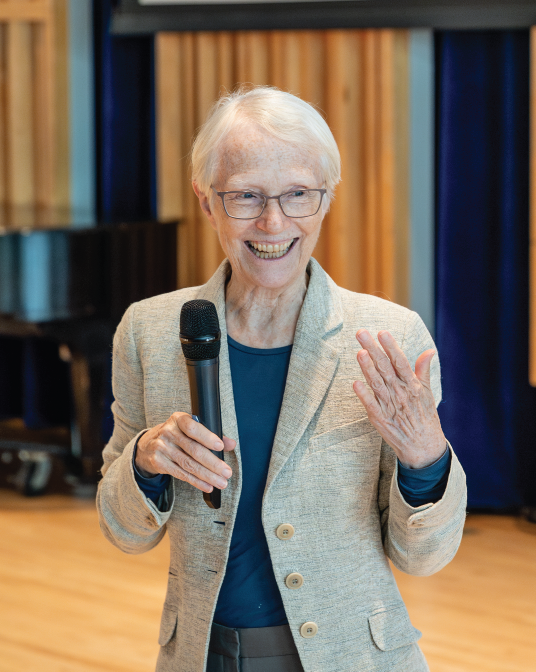
Dr. Cynthia Rosenzweig is a Senior Research Scientist at the NASA Goddard Institute for Space Studies and the Columbia University Climate School’s Center for Climate Systems Research. At NASA GISS, she heads the Impacts Group, whose mission is to investigate the interactions of climate (both variability and change) on systems and sectors important to human well-being. Dr. Rosenzweig is the co-founder and member of the Executive Committee of the Agricultural Model Intercomparison and Improvement Project (AgMIP), a globally integrated transdisciplinary study of climate change and the food system at regional, national and global scales. AgMIP includes the participation of over 1200 leading researchers from developed and developing nations. In 2019, Dr. Rosenzweig was Coordinating Lead Author of the Food Security Chapter for the IPCC Special Report on Climate Change and Land. She is the 2022 recipient of the World Food Prize, considered as the “Nobel Prize for Food and Agriculture.”
- Michael Gerrard, Andrew Sabin Professor of Professional Practice; Director, Sabin Center for Climate Change Law, Columbia Law School
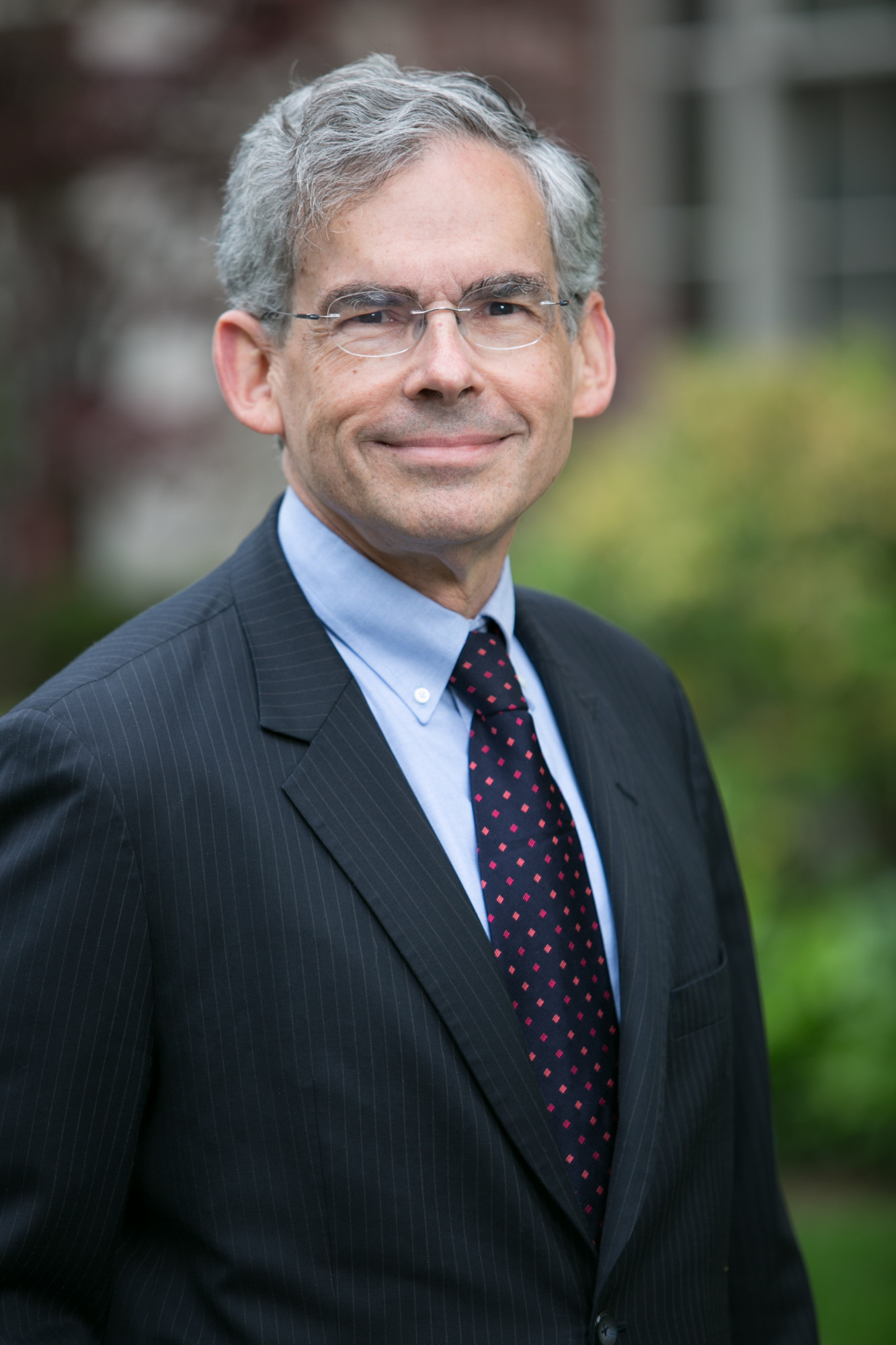
Michael Gerrard is Andrew Sabin Professor of Professional Practice at Columbia Law School, where he teaches courses on environmental and energy law. He is founder and faculty director of the Sabin Center for Climate Change Law, which now has 17 lawyers and is the leading academic center on climate change law in the world. He is a former Chair of the Faculty of Columbia’s Earth Institute and now holds a joint appointment to the faculty of its successor, the Columbia Climate School. Before joining the Columbia faculty in 2009, he was partner in charge of the New York office of the Arnold & Porter law firm. He practiced environmental law in New York City full time from 1979 through 2008. He was the 2004-2005 chair of the American Bar Association’s Section of Environment, Energy and Resources. He has also chaired the Executive Committee of the New York City Bar Association, and the Environmental Law Section of the New York State Bar Association. He is author or editor of fourteen books, including Global Climate Change and U.S. Law (with Jody Freeman and Michael Burger) (3d ed. 2023) and Legal Pathways to Deep Decarbonization in the United States (with John Dernbach 2019).
- Sheila Foster, Professor, Columbia Climate School; Affiliated Faculty, Columbia Law School
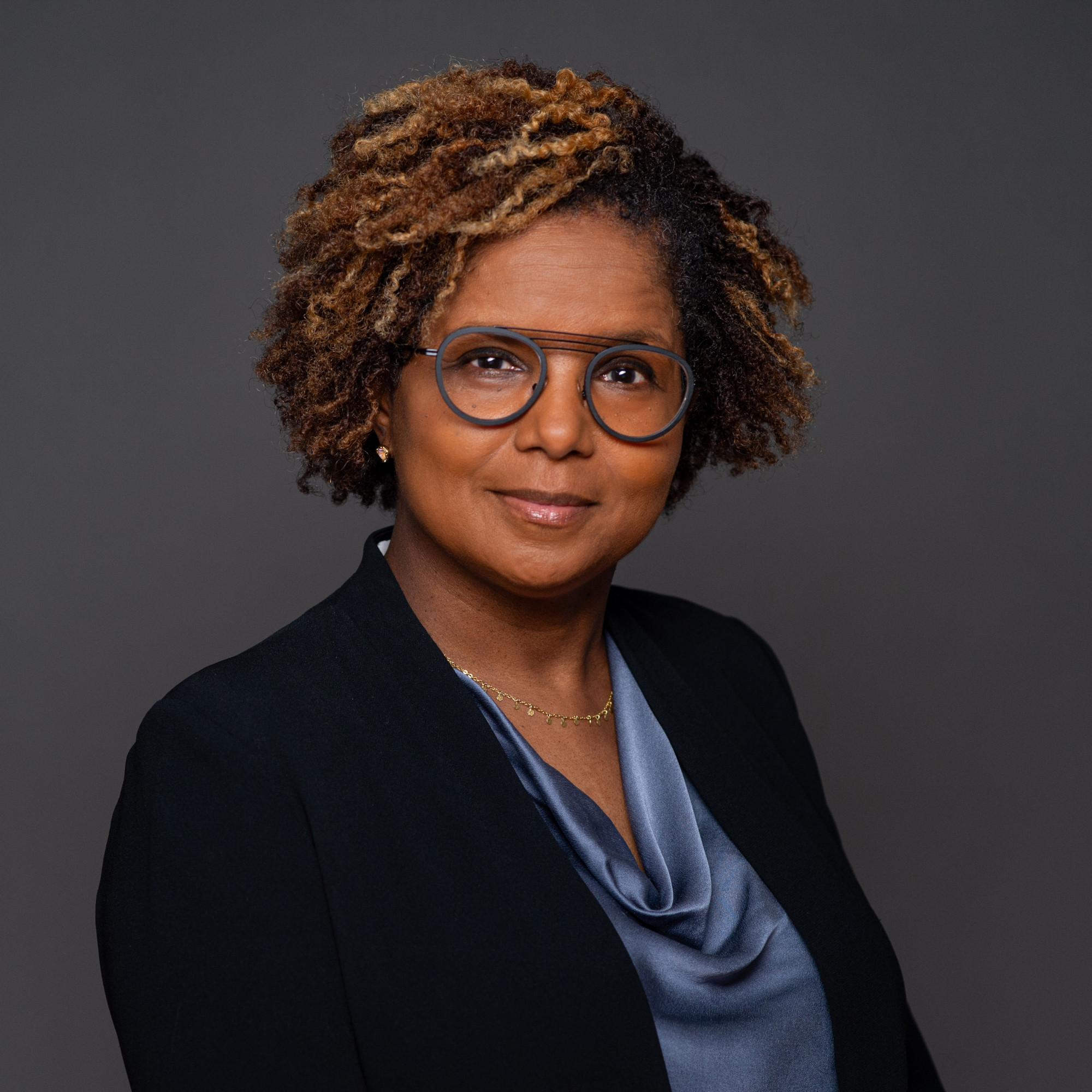
Sheila Foster is a professor at Columbia University's Climate School and an affiliated faculty member at Columbia Law School. Professor Foster is a leading scholar of environmental and climate justice. Foster currently co-chairs the New York City Panel on Climate Change and is a member of the city's Environmental Justice Advisory Board. Professor Foster's work has been recognized by the International Union for Conservation of Nature (IUCN) Academy of Environmental Law with its Senior Scholar Award and by the American College of Environmental Lawyers (ACOEL), which elected her as a fellow. She is also an elected member of the American Bar Foundation.
Moderator
- Dr. Andrew Pershing, Chief Program Officer, Climate Central
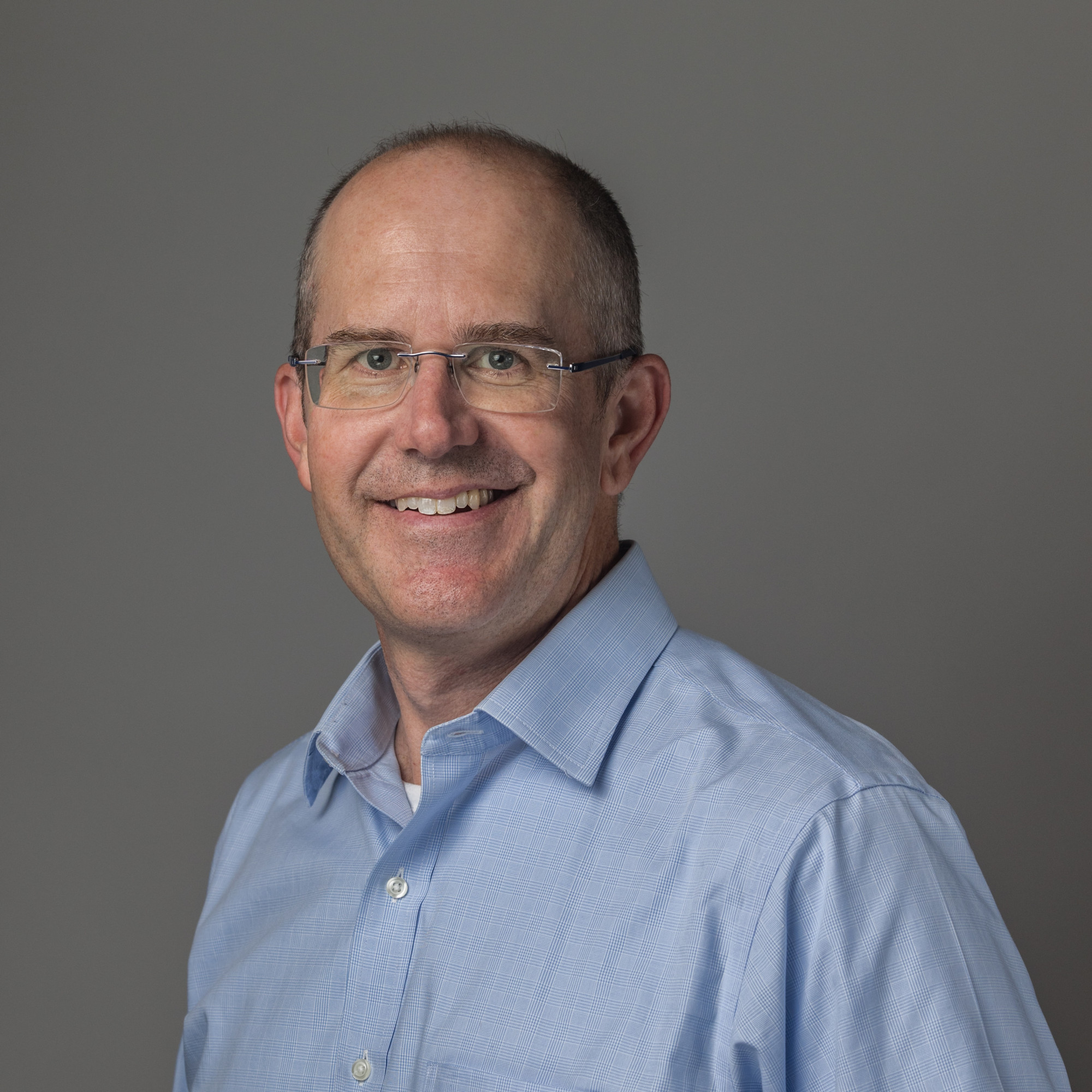
As chief program officer, Andrew Pershing, Ph.D. leads Climate Central’s climate science and communications activities. His role includes bridging primary research and media analysis to amplify critical work on climate change and climate impacts and make it accessible to audiences around the world. Pershing led the development of attribution tools like the Climate Shift Index to quantify how climate change has increased the likelihood or severity of conditions in the atmosphere and ocean. He works closely with communications experts at Climate Central and our partners to help the media and decision-makers to use this content to tell compelling climate stories and to build resilience to climate impacts.
Speakers
- Dr. Joyce Kimutai, Climate Attribution Scientist, World Weather Attribution Consortium, Centre for Environmental Policy, Imperial College London; Kenya Meteorological Services Authority
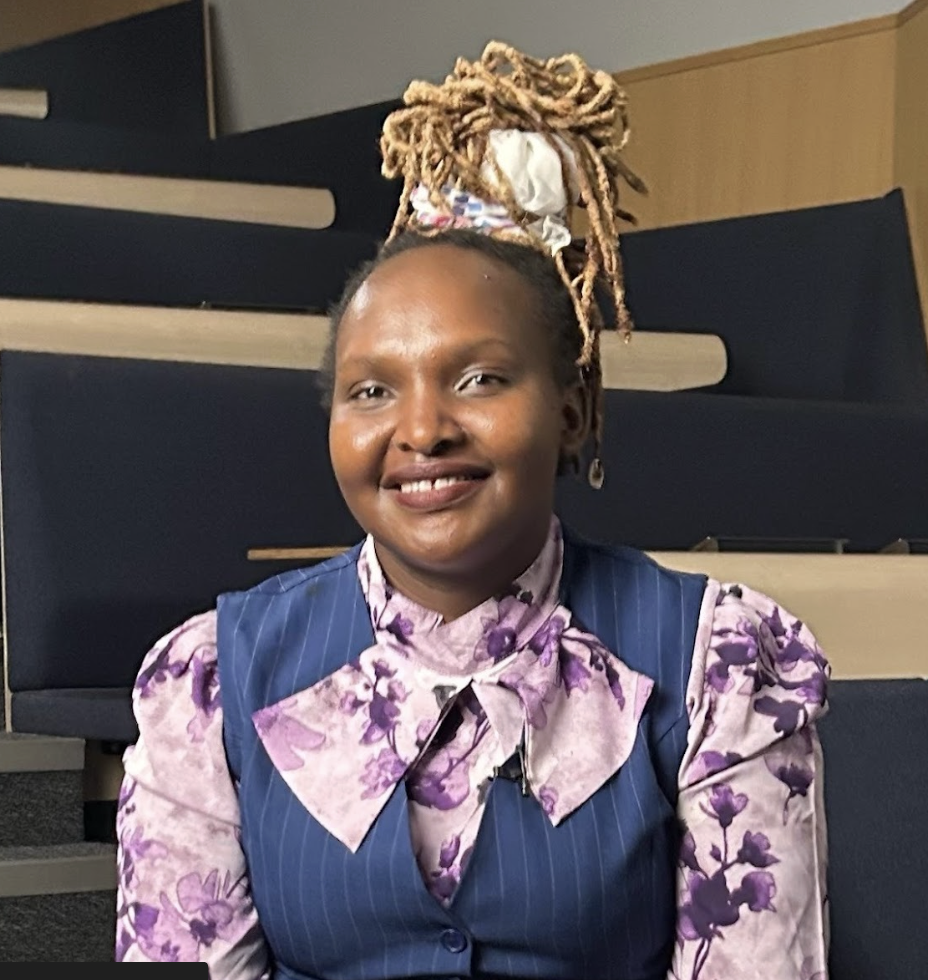
Dr. Joyce Kimutai is a Climate Attribution Scientist with the World Weather Attribution Consortium at Centre for Environmental Policy, Imperial College London and Kenya Meteorological Services Authority. She holds a PhD in Attribution of Climate Extremes from the University of Cape Town, with her research focusing on understanding the role of anthropogenic climate change in extreme weather and climate events to inform policy and practice. Dr. Kimutai co-chairs the Climate Research Forum Working Group on Loss and Damage at the Oxford Sustainable Law Programme, where she advises the African Climate Compensation Lab. She is also coordinating a team of African scientific-economic-legal scholars preparing an independent amicus brief to the African Court on Human and Peoples’ Rights in relation to the Court’s advisory opinion process on climate change and human rights. Dr. Kimutai is currently the alternate Intergovernmental Panel on Climate Change (IPCC) Focal Point for Kenya and was a Lead Author for the IPCC Special Report on Climate Change and Land during the Sixth Assessment Cycle (AR6). She also negotiates for Kenya at United Nations Framework Convention on Climate Change (UNFCCC).
- Dr. Kevin Reed, Associate Provost for Climate and Sustainability Programming and Professor, School of Marine and Atmospheric Sciences, Stony Brook University; Chief Climate Scientist, The New York Climate Exchange
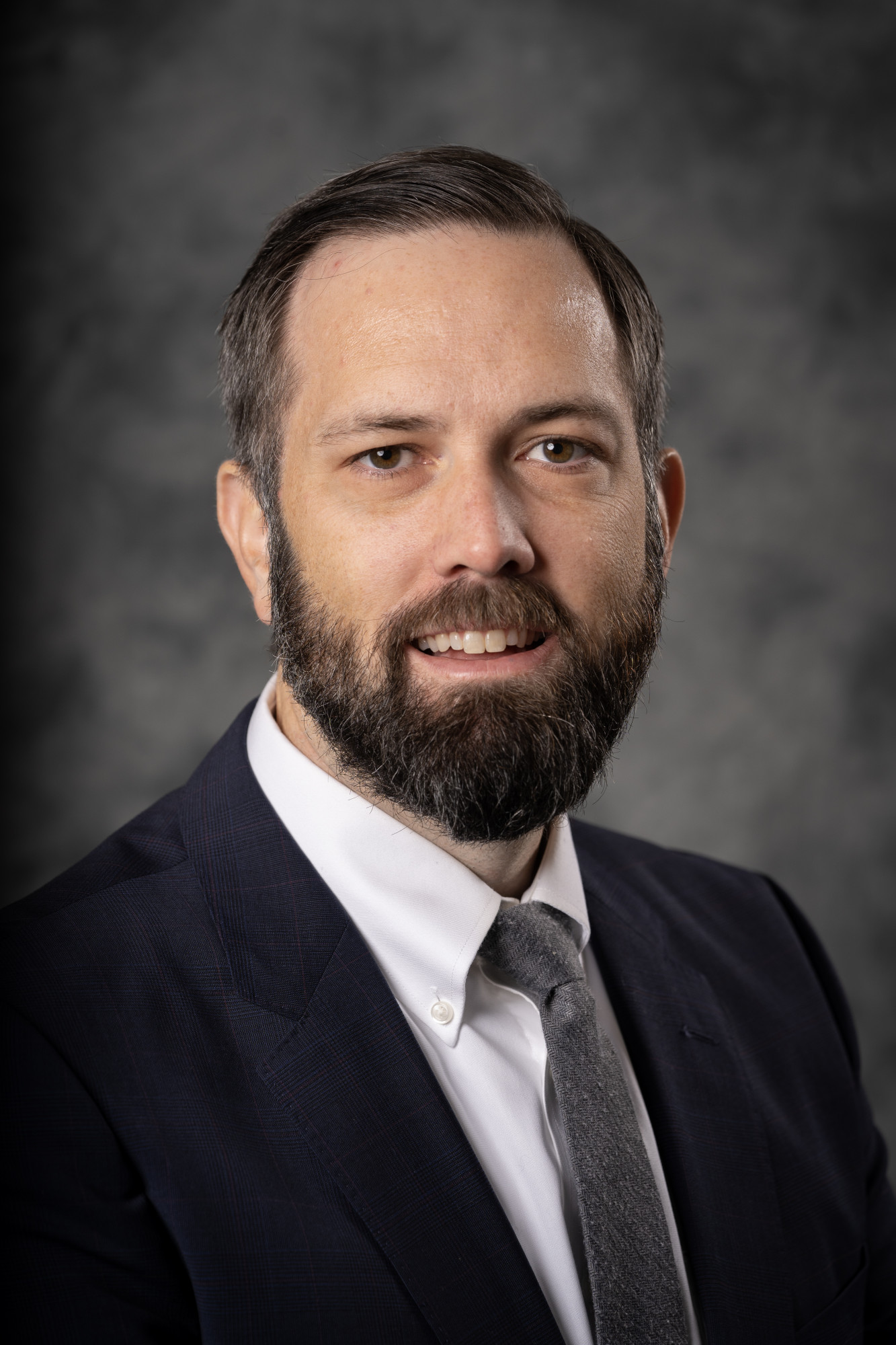
Dr. Kevin Reed is the Associate Provost for Climate and Sustainability Programming at Stony Brook University responsible for facilitating and enabling campus-wide activities and initiatives on climate-related topics as the University advances its leadership in climate, sustainability, and solutions. As a Professor in the School of Marine and Atmospheric Sciences at Stony Brook University, Dr. Reed founded and leads the Climate Extremes Modeling Group, which focuses on investigating how societally-relevant extreme events, such as hurricanes, may change in the coming decades. This research aids in advancing our scientific understanding of the impacts of climate change, as well as developing new methodologies to better translate state-of-the-art science for climate adaptation applications and policies. Dr. Reed is also the Chief Climate Scientist at the New York Climate Exchange, leading the strategic direction and co-development of research programs with a diverse set of academic, industry, and community partners. The New York Climate Exchange is a non-profit focused on open exchange and collaboration that empowers sustainable solutions to climate change for New York City and the world. Dr. Reed received his Ph.D. and M.S. in Atmospheric Science from the University of Michigan, where he also completed a Graduate Certificate in Science, Technology, and Public Policy and his B.S. in Physics.
- Dr. Kristie L. Ebi, Professor, Center for Health and the Global Environment (CHanGE), University of Washington
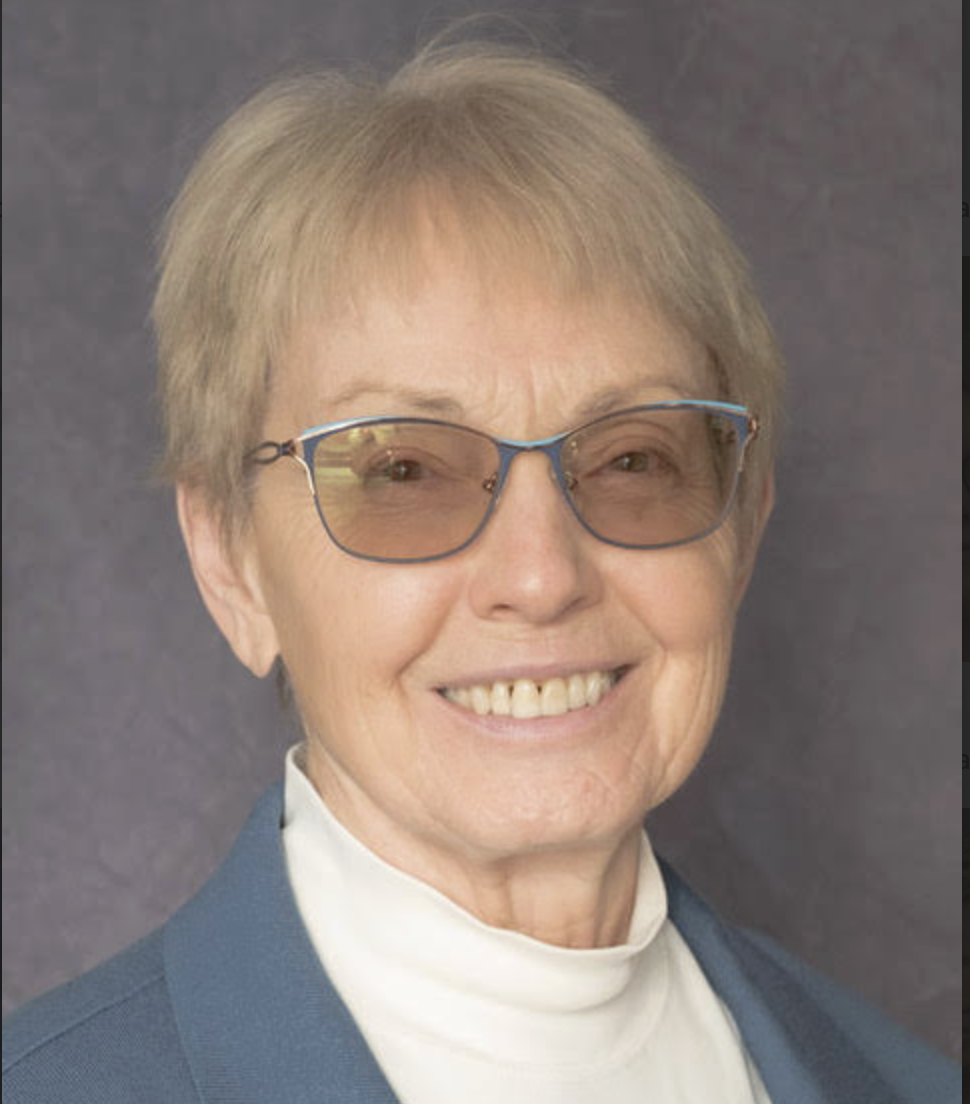
Dr. Kristie L. Ebi (Ph.D., MPH) has been conducting research on the health risks of climate variability and change for > 30 years, focusing on estimating current and future health risks of climate change; designing adaptation policies and measures to reduce these risks in multi-stressor environments; and quantifying the health co-benefits of mitigation policies. She has worked with multiple countries worldwide in assessing their vulnerability and implementing adaptation measures. She was a lead author for the 6th Intergovernmental Panel on Climate Change assessment cycle; edited fours books on aspects of climate change; and has more than 300 peer-reviewed publications.
- Dr. Justin Mankin, Associate Professor, Department of Geography, Dartmouth College
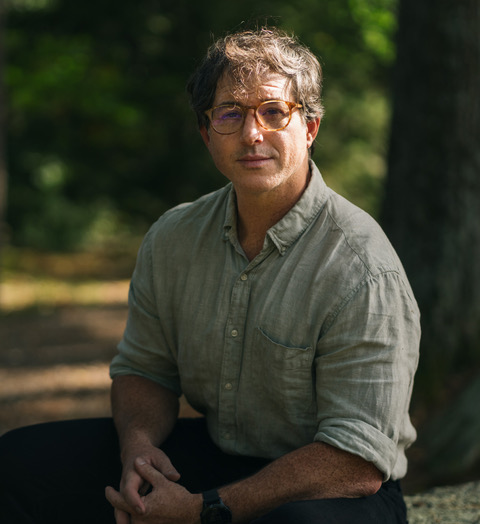
Justin Mankin is a Professor of Geography at Dartmouth where he directs the Climate Modeling & Impacts Group. His work focuses documenting and predicting climate impacts on people and ecosystems. His previous career was as an intelligence officer working in South Asia and the Middle East. He holds degrees from Columbia University (BA, MPA), the London School of Economics (MSc), and Stanford University (PhD). He completed his scientific training at Lamont-Doherty Earth Observatory and NASA Goddard Institute for Space Studies as an Earth Institute Postdoctoral Fellow.
Moderator
- Michael Burger, Executive Director, Sabin Center for Climate Change Law
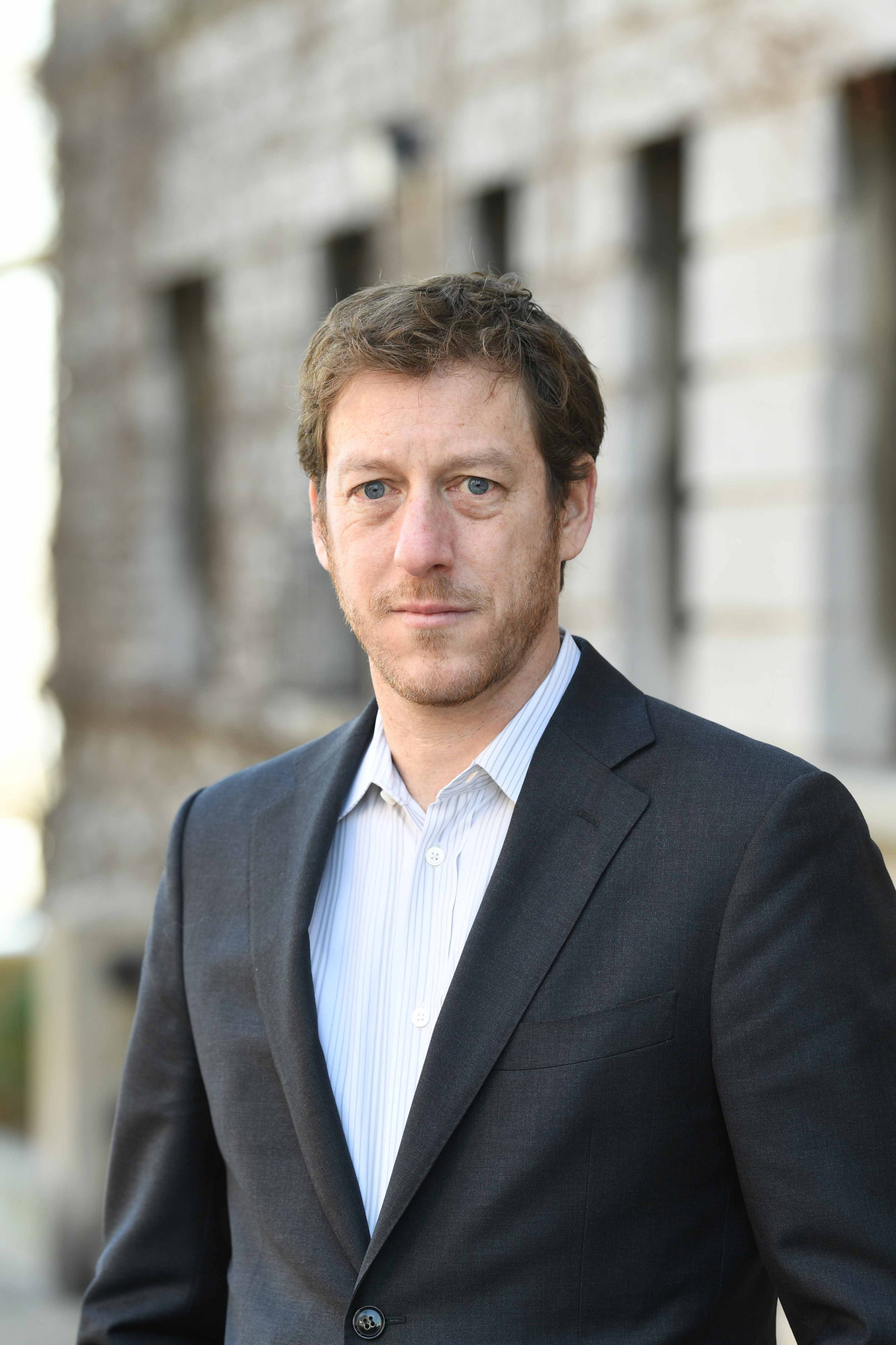
Michael Burger is Executive Director of the Sabin Center for Climate Change Law and Senior Research Scholar and Lecturer-in-Law at Columbia Law School, where he leads one of the world's most impactful climate law research centers and its domestic and international efforts to cut greenhouse gas emissions and advance climate adaptation. Michael is the author and editor of numerous books and articles, a frequent public speaker, and a regular source of expertise for media, with years of experience collaborating with local, national, and international organizations on climate initiatives. He is also Of Counsel at Sher Edling LLP, where he represents public clients in major climate cases around the country. He is a Regent and Fellow at the American College of Environmental Lawyers, a member of the World Economic Forum's Global Future Council on Climate and Nature Governance and the IUCN World Commission on Environmental Law, and serves on the advisory boards of the Urban Ocean Lab and the Institute at Brown for Environment and Society.
Speakers
- Dr. Dina Lupin, Associate Professor of Law, School of Law, University of Southampton
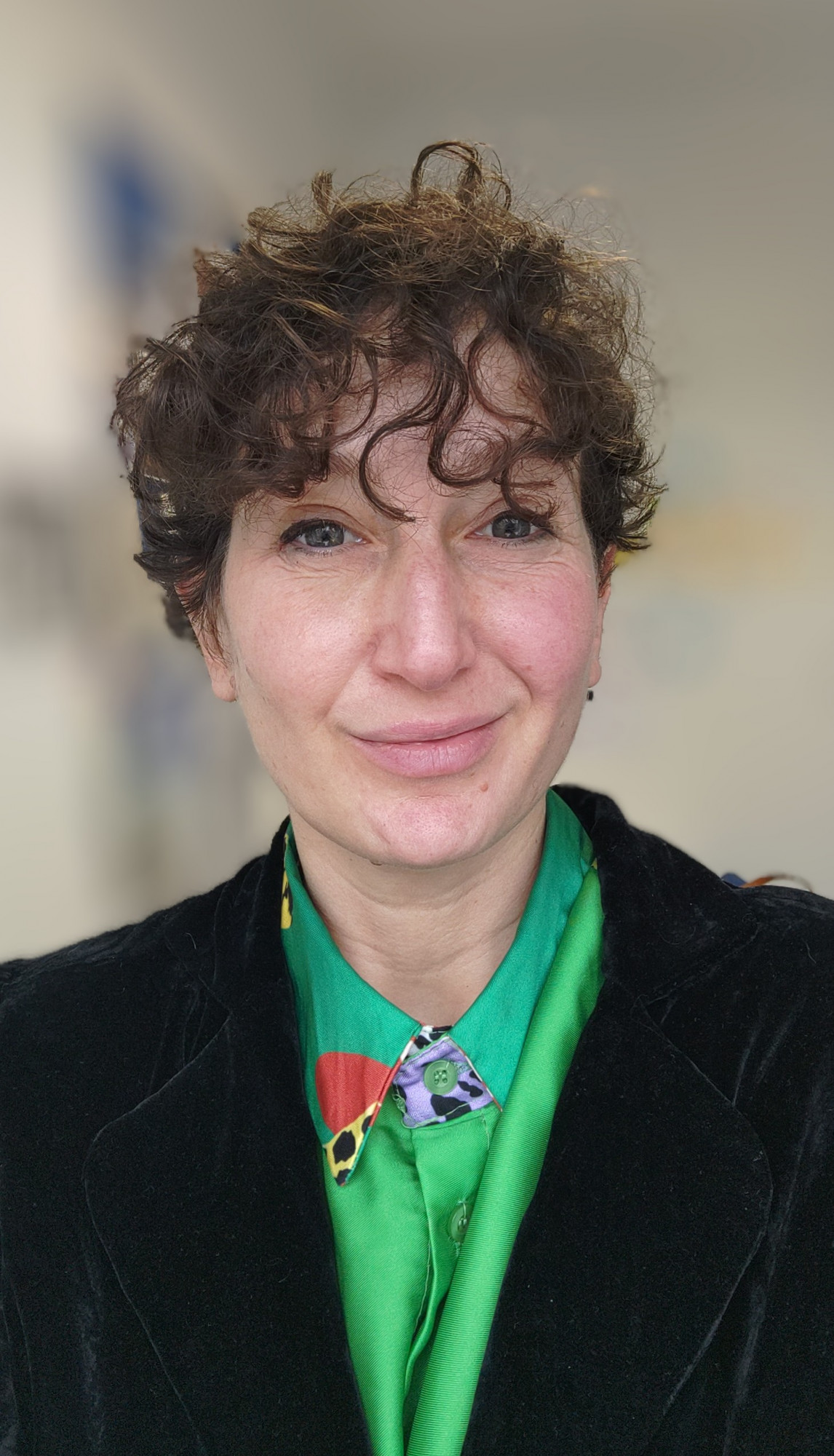
Dina Lupin is Associate Professor of Environmental and Human Rights at the University of Southampton. Their research focuses on environmental decision-making and uses feminist, queer and decolonial theory in the analysis of epistemic and social resistance to unjust environmental processes and practices. Their current project is called Home in Crisis which takes an intimate look at climate change, relocating climate law-making to the kitchen table. Dina is also the co-Chair of the Working Group supporting an African Advisory Opinion on Climate Chair and has supported the drafting and submission of more than 70 amicus and observer briefs to the African Court.
- Maxine Burkett, Emerson Collective Professor of Climate, Environment, and Society, Doerr School of Sustainability and Faculty Director, Stanford Center for Just Environmental Futures, Stanford University
Professor Burkett’s research examines the relationship between environmental change and inequity and its impact on frontline communities, both domestic and international. With a background in law and diplomacy, her areas of expertise include climate change (international, national, subnational law and policy), ocean and coastal law, climate-related migration, and climate change and human security.
She recently served as a Professor Law at the William S. Richardson School of Law as well as in senior roles at the White House and the State Department. At the State Department she oversaw the formulation and implementation of U.S. policy on a broad range of international issues concerning the oceans, the Arctic, the Antarctic, and marine conservation in her role as Deputy Assistant Secretary of State for Oceans, Fisheries, and Polar Affairs. She also served as a Senior Advisor to Special Presidential Envoy for Climate John Kerry, where her portfolio included climate-related migration, climate security, bilateral relationships with island nations, and Indigenous Peoples’ engagement.
- Dr. Ivano Alogna, Senior Research Fellow in Environmental and Climate Change Law, Director of the Global Toolbox on Corporate Climate Litigation, British Institute of International and Comparative Law; Co-Lead of the Climate Litigation Cluster, Climate Change Law Specialist Group, World Commission on Environmental Law, IUCN; Adjunct Professor of International Environmental Law, Université Paris; Senior Associate Scientist, Euro-Mediterranean Center on Climate Change (CMCC)
Dr. Ivano Alogna is Senior Research Fellow in Environmental and Climate Change Law at the British Institute of International and Comparative Law (BIICL, London), where he leads the Institute’s work in this field and directs the Global Toolbox on Corporate Climate Litigation. He is also Senior Associate Scientist at the CMCC Foundation (Euro-Mediterranean Center on Climate Change, Milan), where his work focuses on the intersection of climate science and law. He is Co-Lead of the Climate Litigation Cluster of the IUCN World Commission on Environmental Law and Adjunct Professor of International and Comparative Environmental Law at several European institutions, including Sorbonne Law School (Université Paris 1 Panthéon-Sorbonne) and Bologna Business School (University of Bologna).
- Jessica Wentz, Non-Resident Senior Fellow, Sabin Center for Climate Change Law, Columbia Law School
.jpeg)
Jessica is a non-resident senior fellow at the Sabin Center, where she conducts research on the role of climate science in litigation, regulation, and policy. Her work examines how government agencies, courts, and litigants engage with climate science across different legal domains – including human rights law, environmental law, administrative law, natural resources law, and tort law. One goal of this work is to better understand how scientific evidence can inform legal obligations related to climate change mitigation, adaptation, and damages. She also works on advocacy and outreach projects aimed at helping government agencies and other legal decision-makers better understand and apply the best available climate science. She has a J.D. from Columbia Law School, an LL.M. in Energy and Environmental Law from the George Washington University Law School, and a B.A. from the University of California, Los Angeles.
Extreme Event and Impact Attribution
Moderator
- Dr. Jason Smerdon, Professor of Climate, Columbia Climate School
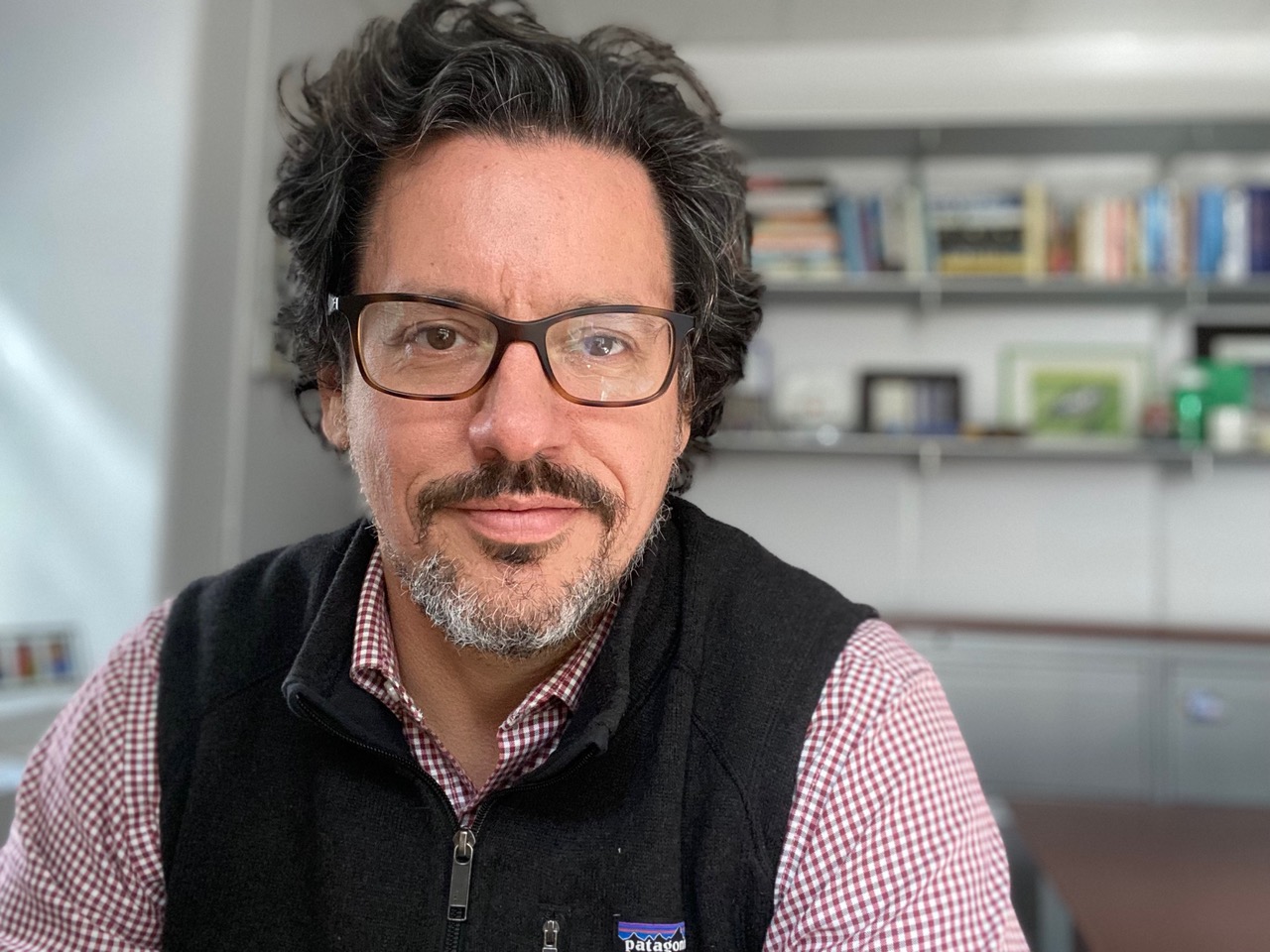
Jason Smerdon is a Professor of Climate at the Columbia Climate School and serves as Vice Dean of Academic Planning, a role in which he oversees the development and coordination of degree programs across the school. His research focuses on climate variability and change during the past several millennia and how past climates can help us understand future climate change. Smerdon's recent work has focused on understanding the causes of drought and hydroclimate extremes, including the factors driving the ongoing megadrought in southwestern North America.
Speakers
- Dr. Kai Kornhuber, Senior Research Scholar, Integrated Climate Impacts Research Group, IIASA Energy, Climate, and Environment Program
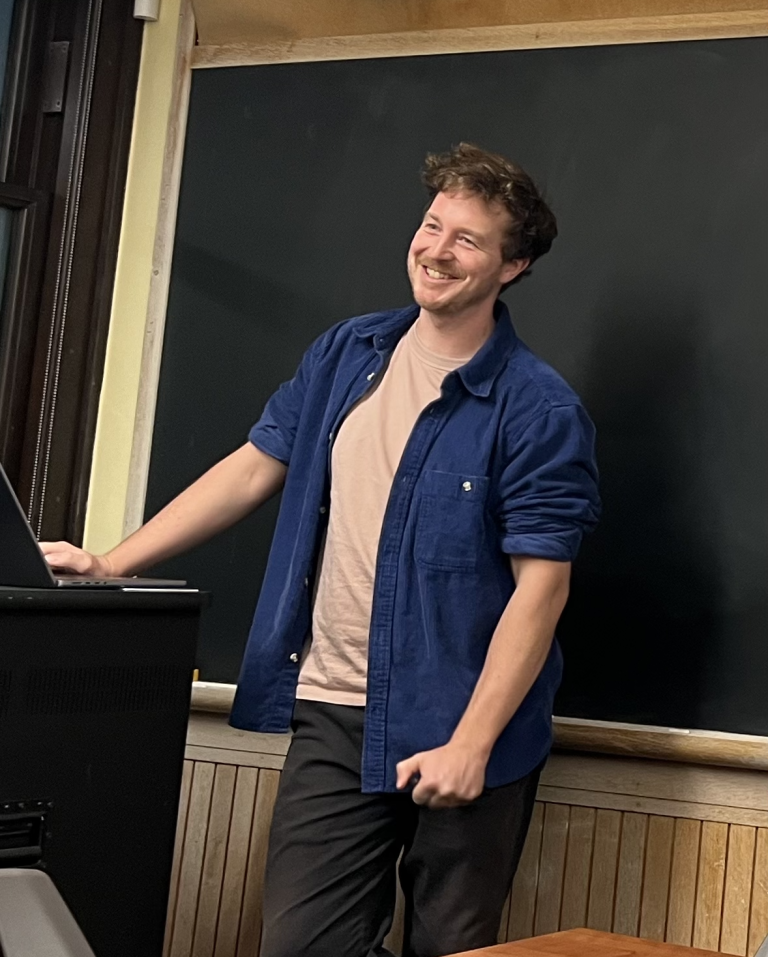
Kai Kornhuber is a senior research scholar in the Integrated Climate Impacts Research Group of the IIASA Energy, Climate, and Environment Program, where he leads the theme Extreme Weather and Climate Dynamics. Within this theme he is advancing the understanding and modeling of high impact and compound extreme weather events to provide robust estimates of complex and cascading climate risks under present conditions and future climate scenarios.
- Dr. Wim Thiery, Full Professor, Vrije Universiteit Brussel, Department of Water and Climate
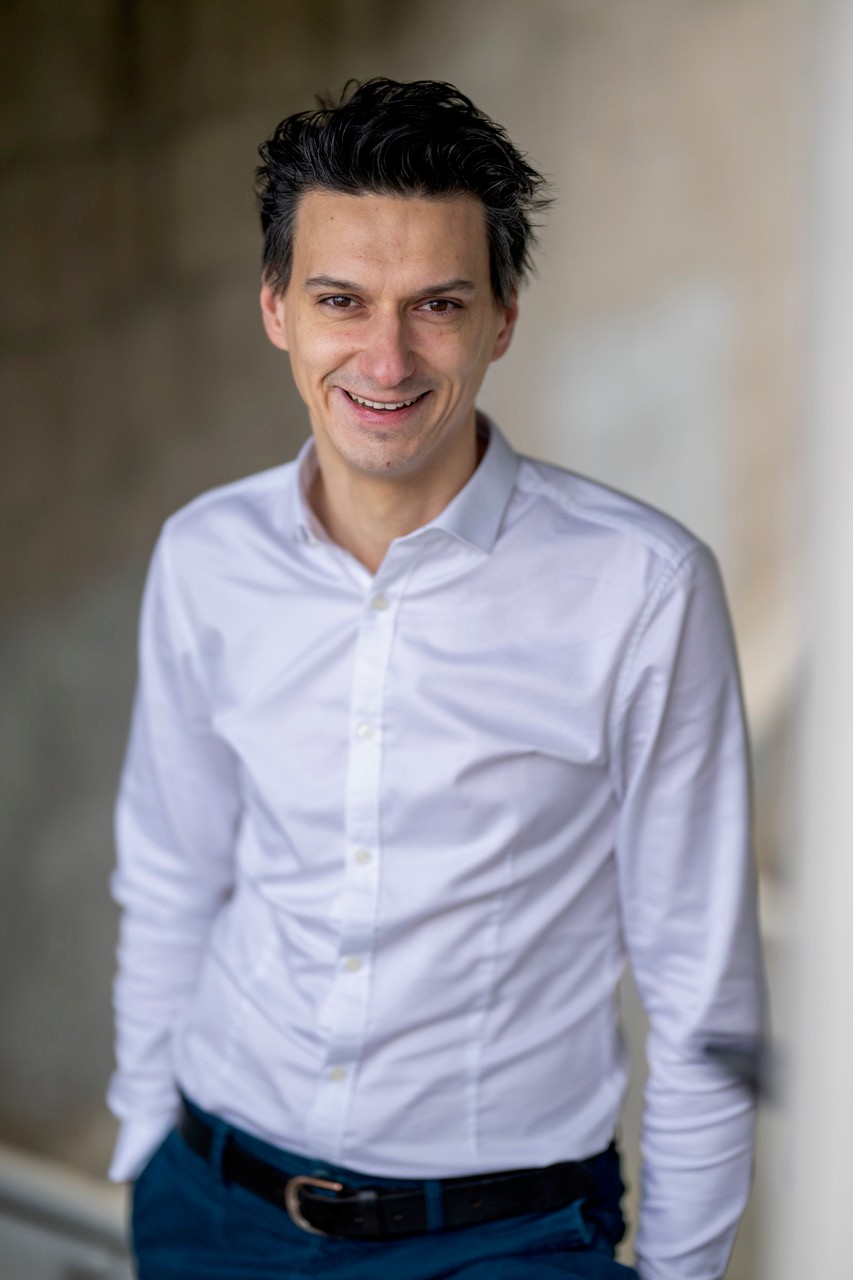
Wim Thiery is a climate scientist focused on modelling extreme events in a changing climate. After obtaining MScs at KU Leuven in Philosophy (2008) and Terrestrial Ecosystems and Global Change (2011), he was an FWO PhD fellow investigating the interaction between climate and the African Great Lakes with a regional climate model (2011–2015). From 2015 to 2018, he was a Postdoctoral Fellow at ETH Zurich, where he investigated the historical and future impacts of irrigation on climate extremes at the global scale. In 2017 (age 29), he was appointed as research professor at the Vrije Universiteit Brussel, where he established the BCLIMATE Group. With over 1000 media contributions since 2014, he is one of Belgium’s leading climate science communicators. During his research, he undertook research exchanges to Montréal, Berlin, and Zurich, and conducted field campaigns to Uganda, Rwanda, and DR Congo to install automatic weather stations on Lake Kivu and Lake Victoria. Thiery is contributing author of the IPCC Special Report on Climate Change and Land (2019) and the Sixth Assessment Report (2021). His expertise includes climate change, climate extremes, regional and global climate modelling, global-scale climate impact modelling, impact attribution, land-atmosphere interactions, land management, storm early warnings, and energy meteorology. Recently, he founded a website where the consequences of climate change for young generations worldwide can be interactively consulted (https://myclimatefuture.info/).
- Dr. Katja Frieler, Research Lead, Potsdam Institute for Climate Impact Research (PIK)
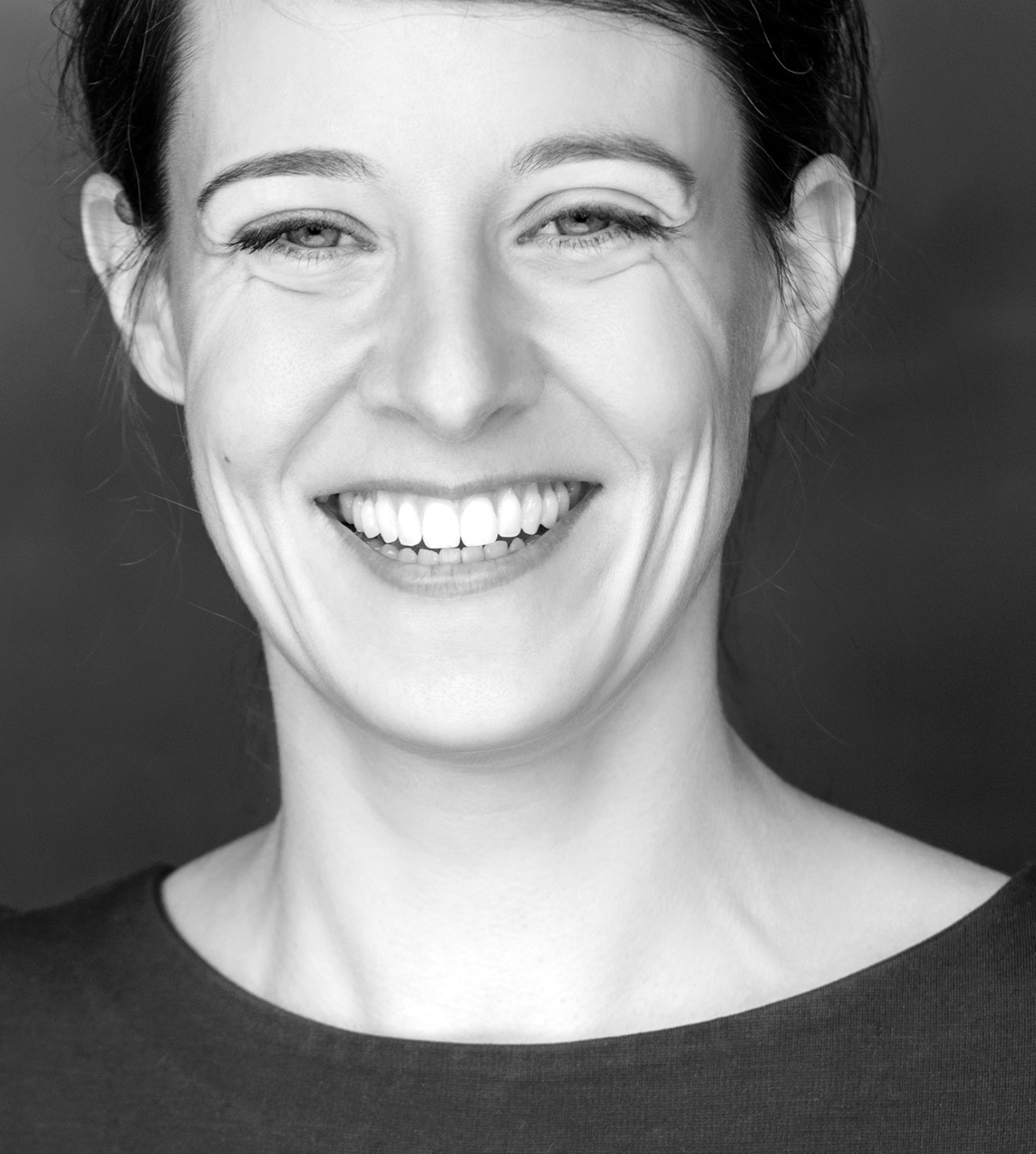
Katja Frieler is Head of the Research Department 3 "Transformation Pathways" with a research focus on "Pathway-specific climate risks". She leads the Inter-Sectoral Impact Model Intercomparison Project (ISIMIP) and the open climate impact encyclopedia ISIpedia. Katja Frieler is lead author for Chapter 16 on "Key Risks Across Sectors and Regions" of the 6th IPCC Assessment Report of Working Group 2. She works on the quantification of the observed impacts of climate change on natural and human systems (impact attribution) with a specific interest in the impacts of extreme weather events. She holds a Diploma in Mathematics and a PhD in "Physics of the Atmosphere" of the University of Potsdam. Since 2024 she is Professor for "impacts of climate change" at the University of Potsdam (Institute for Environmental Science and Geography).
- Dr. Alexander Gottlieb, Postdoctoral Scholar, Dartmouth College
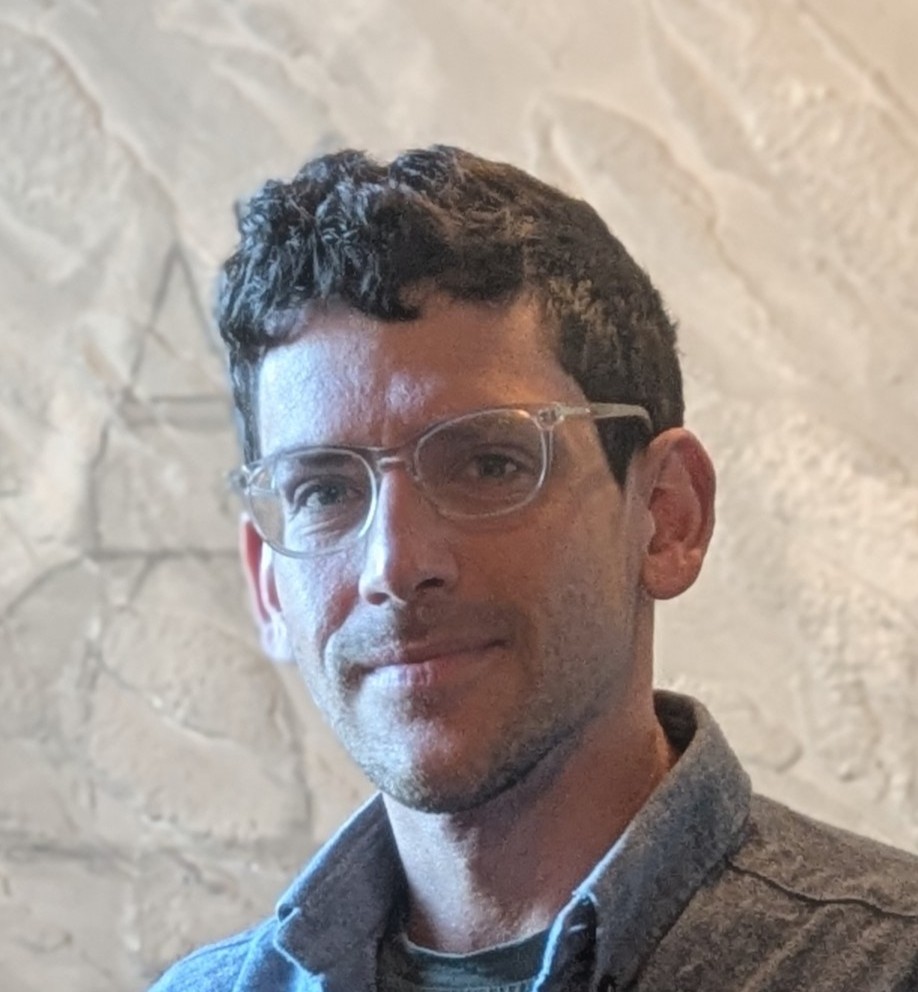
Dr. Alexander Gottlieb is a postdoc in the Climate Modeling and Impacts group at Dartmouth College. His research combines tools spanning physical climate science and quantitative social science to address questions in the detection and attribution of climate change and climate impacts. His current efforts are focused on understanding how the physical drivers and economic consequences of flooding evolve in a nonstationary climate.
Source and End-to-End Attribution
Moderator
- Dr. Kevin Schwarzwald, Postdoctoral Research Scientist, Columbia Climate School
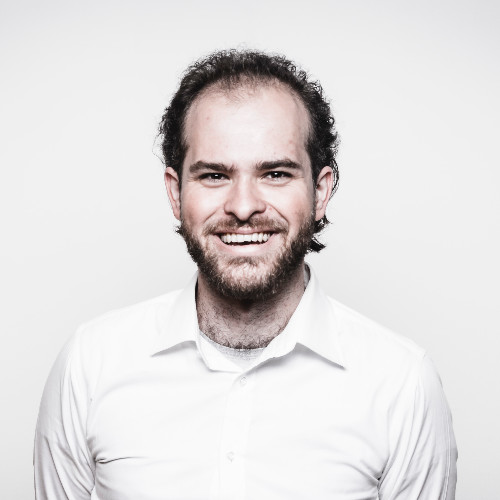
Kevin Schwarzwald is an interdisciplinary climate scientist, helping inform climate impacts projections and decision-making under uncertainty. Currently a Columbia Climate School Postdoctoral Research Scientist working on uncertainty in future climate impacts, Kevin earned his PhD in Earth and Environmental Sciences from Columbia University, working at the International Research Institute for Climate and Society (IRI) and Lamont-Doherty Earth Observatory. He also holds a BA in physics and public policy from the University of Chicago and a Master of Law in China Studies from Peking University's Yenching Academy. Kevin is the co-founder of NENSIC, an interdisciplinary network for young researchers working in climate and environmental issues from any angle. Prior to his graduate studies, Kevin focused on climate projections for economic and policy uses and has been involved with climate and policy work in Europe, America, and Africa.
Speakers
- Dr. Carly Phillips, Senior Research Scientist, Science Hub for Climate Litigation, Union of Concerned Scientists
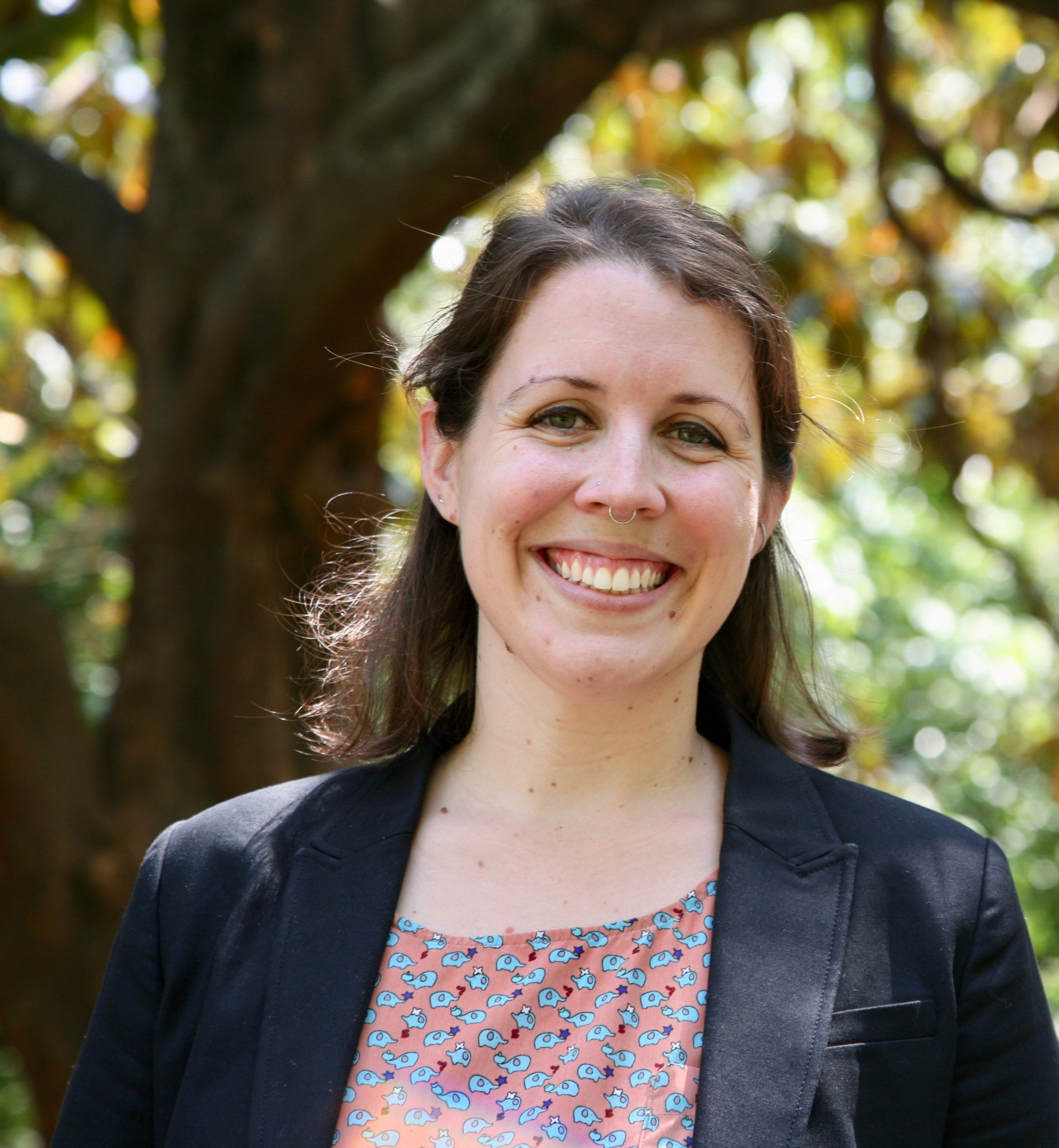
Carly Phillips is a Senior Scientist with the Science Hub for Climate Litigation at the Concerned Scientists. In her role, she provides scientific support to legal teams, conducts research, and builds skills with scientists to work at the nexus of science and law. Dr. Phillips is a biogeochemist with research expertise in wildfire, emissions accounting, and attribution science.
- Dr. Emily Williams, Postdoctoral Scientist, University of California, Merced
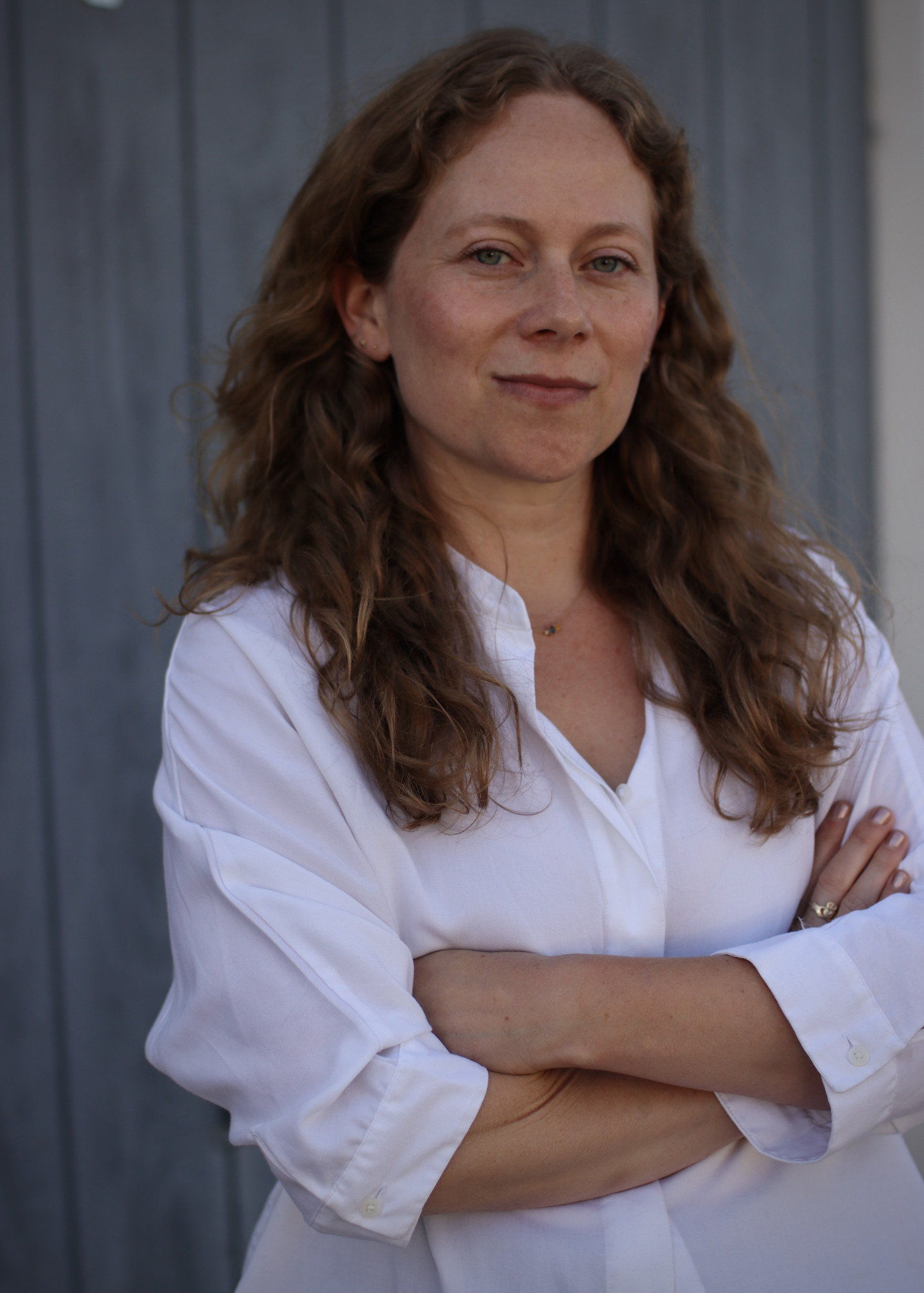
Emily L. Williams is a Postdoctoral Scientist with the Climatology Lab at the University of California Merced. Her research is focused on how climate change affects hydroclimate in the Western US, particularly related to drought, fire activity, and water resources. Her work involves the detection and attribution of climate change on drought-related impacts, extending traditional attribution methodologies to include source and impact attribution, and ecosystem-level responses to meteorological drivers. She is also interested in how climate science is translated into and used in legal and policy efforts to pursue accountability for disproportionate contributions to and impacts of climate change. She received her PhD in Geography from the University of California, Santa Barbara in 2022, with dual emphases in Climate Sciences and Climate Change and Environment and Society.
- Dr. Paula Romanovska, Postdoctoral Researcher, Potsdam Institute for Climate Impact Research (PIK)
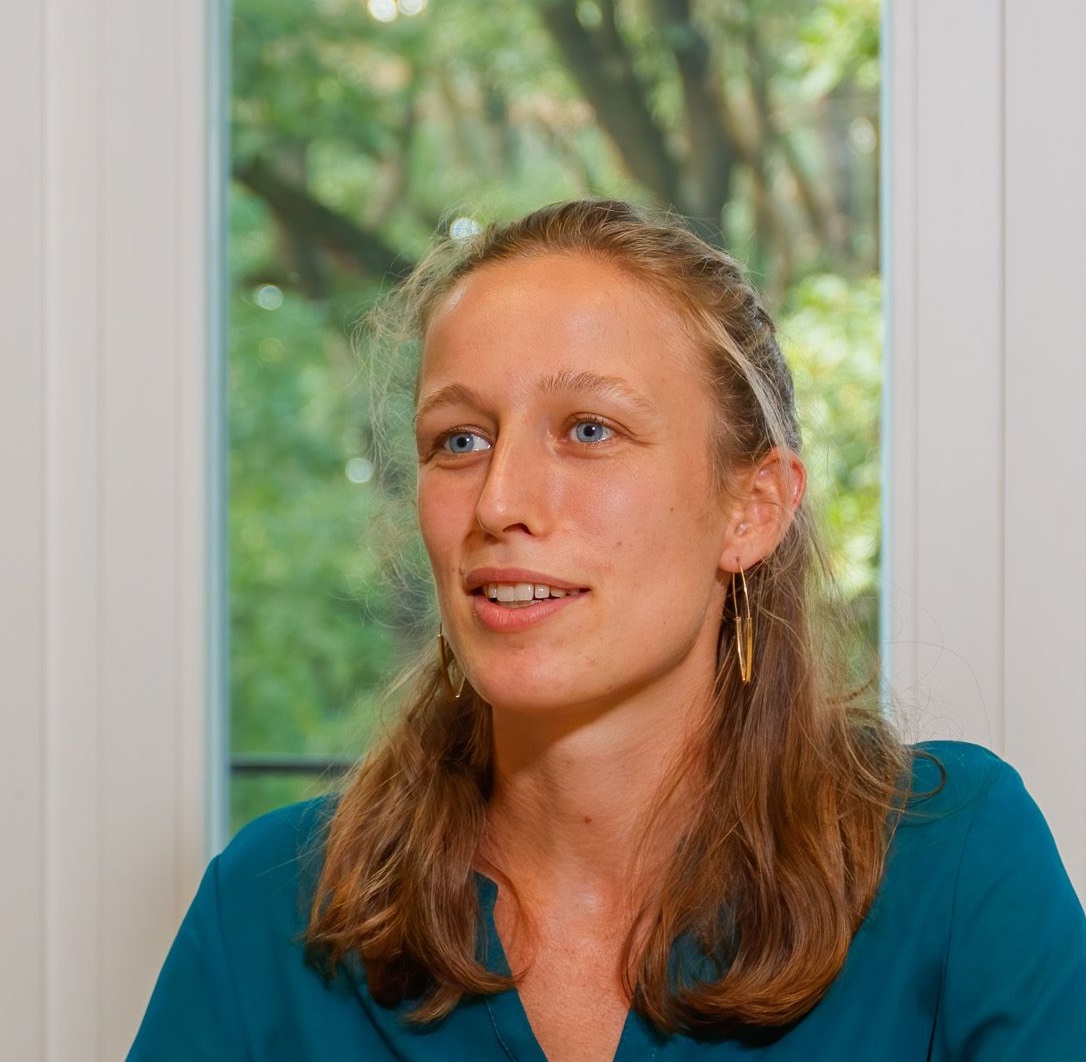
Paula is a Postdoctoral Researcher at the Potsdam Institute for Climate Impact Research (PIK), where she investigates how human-induced climate change affects food systems and human health. Her research aims to understand and show the unequal responsibilities for, and the disproportionate impacts of, climate change across communities. She co-develops climate impact attribution studies that quantify the extent to which human-driven climate forcing contributes to observed impacts, with particular focus on agricultural and health sectors. Trained as a physicist, Paula completed her PhD at the University of Kassel and PIK in 2024. She is also a trained process moderator.
- Gillian Moon, Research Lead, Senior Visiting Fellow, Australian Climate Accountability Project, Faculty of Law & Justice, University of New South Wales (UNSW)
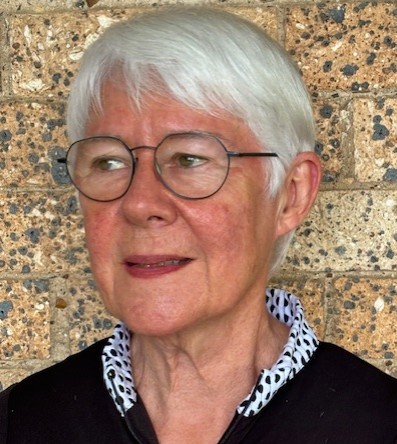
Gillian Moon is a Senior Visiting Fellow at Law & Justice at UNSW where she has held both teaching and research academic positions since 2003. She is the founder and Research Lead at the Australian Climate Accountability Project of the Australian Human Rights Institute (UNSW). She has taught, researched and published widely in human rights law, particularly its intersections with international economic law, international climate law and development theory. She has previously practiced in public interest law, has experience in policy formulation and law reform, and was an Advisor to Commonwealth Ministers for Justice in Canberra.
Health Impacts
Moderator
- Dr. Felipe Colón, Technology Lead, Data for Science and Health, Wellcome Trust
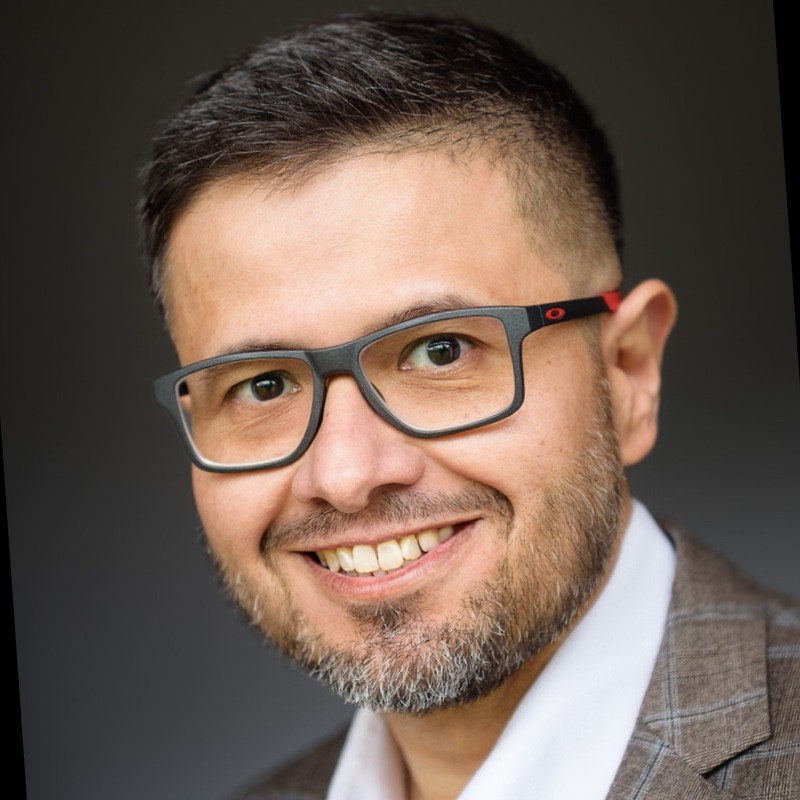
Felipe J Colón-González is Technology Lead at Wellcome, where he leads work at the intersection of climate science, health, and data. He focuses on strengthening the generation and use of evidence on climate impacts, including attribution, to inform policy, investment, and emerging accountability processes.
Speakers
- Dr. Robbie Parks, Assistant Professor of Environmental Health Sciences, Columbia Mailman School of Public Health
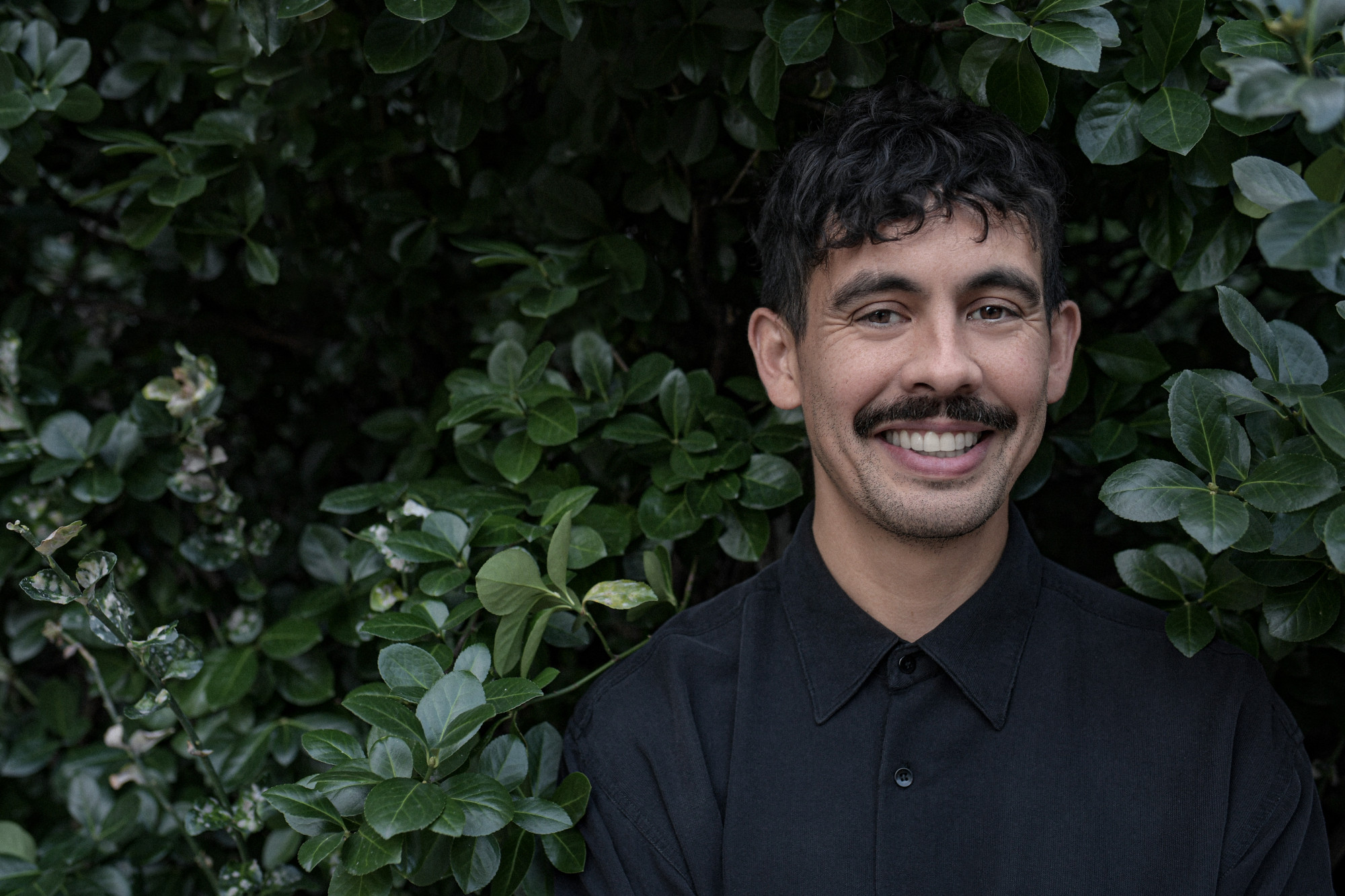
Robbie M. Parks, PhD's research focuses on the intersections of climate change, public health, and equity, using quantitative methods to understand and address health impacts. He is a tenure-track Assistant Professor of Environmental Health Sciences at Columbia University’s Mailman School of Public Health and an NIH NIEHS K99/R00 Fellow, with funding from NIH, the Wellcome Trust, NSF, and other sources; several of his lab’s publications have been recognized as NIEHS papers of the year and month. He teaches multiple graduate courses at Columbia, leads advanced training programs in Bayesian modeling and climate-health attribution, and mentors trainees across all academic levels. His academic training includes a postdoctoral fellowship at Columbia’s Earth Institute/Climate School, a PhD from Imperial College London, and a BA/MA in Physics from the University of Oxford. His work has been featured in major media outlets including The New Yorker, The New York Times, and National Geographic. He is a first-generation academic of Filipino heritage and a fellow of both the Agents of Change in Environmental Justice program and the National Academy of Sciences Frontiers of Science.
- Dr. Sabine Undorf, Senior Climate Scientist, Potsdam Institute for Climate Impact Research (PIK)
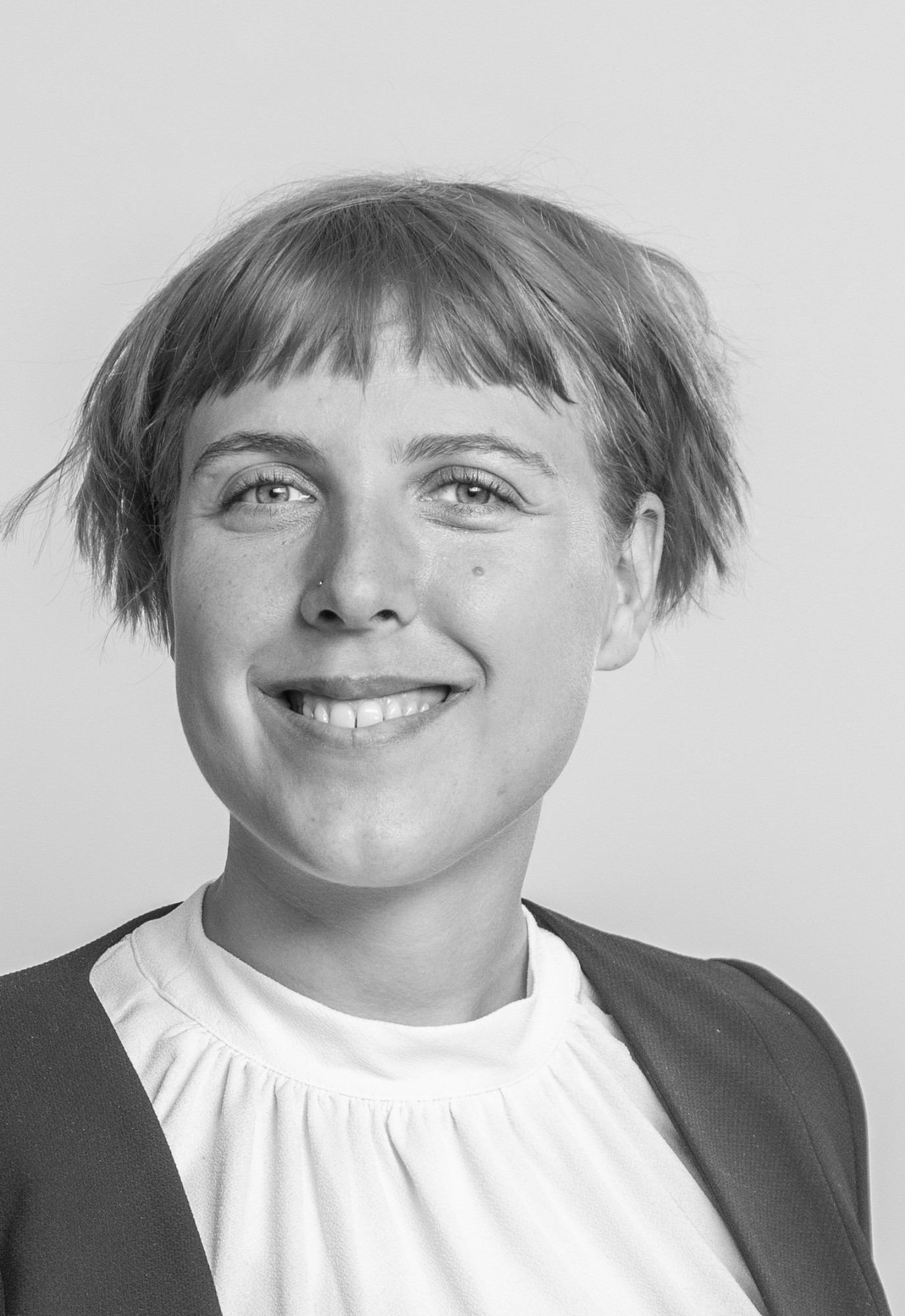
Sabine Undorf is a senior scientist at the Potsdam Institute for Climate Impact Research (PIK) in the research department Climate Resilience. She works on attributing biophysical and socio-economical impacts of climate change, and on identifying and quantifying changes in climate itself associated with different anthropogenic forcings in the past and as projected for the future. Sabine is also interested in interdisciplinary work exploring how such knowledge can influence individual and societal decision-making, and how societal, political, and ethical values in turn influence the climate-scientific process. She currently leads the CLIMAKID project in which research partners and early-career researchers from Africa, Asia, Europe, and the US investigate how climate change impacts child undernutrition via changes in agricultural production in the most food-insecure world regions. Sabine worked previously at Stockholm University and holds a PhD in Atmospheric and Environmental sciences from the University of Edinburgh and a MSc and BSc in Physics from the University of Bonn.
- Dr. Jason R. Rohr, Galla Family Professor and Chair of Biological Sciences, University of Notre Dame, Department of Biological Sciences; Just Transformations to Sustainability Initiative, Eck Institute of Global Health
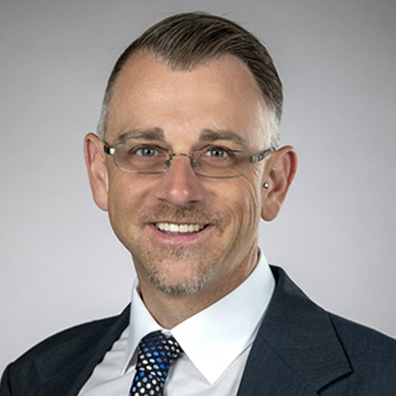
Jason Rohr is the Ludmilla F., Stephen J., and Robert T. Galla Professor of Biological Sciences and Chair of the Department of Biological Sciences at the University of Notre Dame. He holds BA degrees in Biology and Environmental Studies, a MA in Teaching Biology, and a PhD in Ecology all from Binghamton University, and conducted postdoctoral research at the University of Kentucky and Penn State University. His research program emphasizes planetary health, focusing on how natural and anthropogenic environmental changes, mainly climate change, pollution, and alterations to biodiversity, affect wildlife populations, species interactions, and the spread of both wildlife and human diseases. His research makes efforts to integrate across disciplines, including ecology, the health sciences, agricultural sciences, toxicology, conservation biology, sociology, and economics, and to address multiple Sustainable Development Goals. The primary aim of his laboratory is to understand and develop solutions to environmental problems to improve human health and a sustainable co-existence with the natural world.
- Monique van Cauwenberghe, PhD researcher, Faculty of Law, University of Groningen
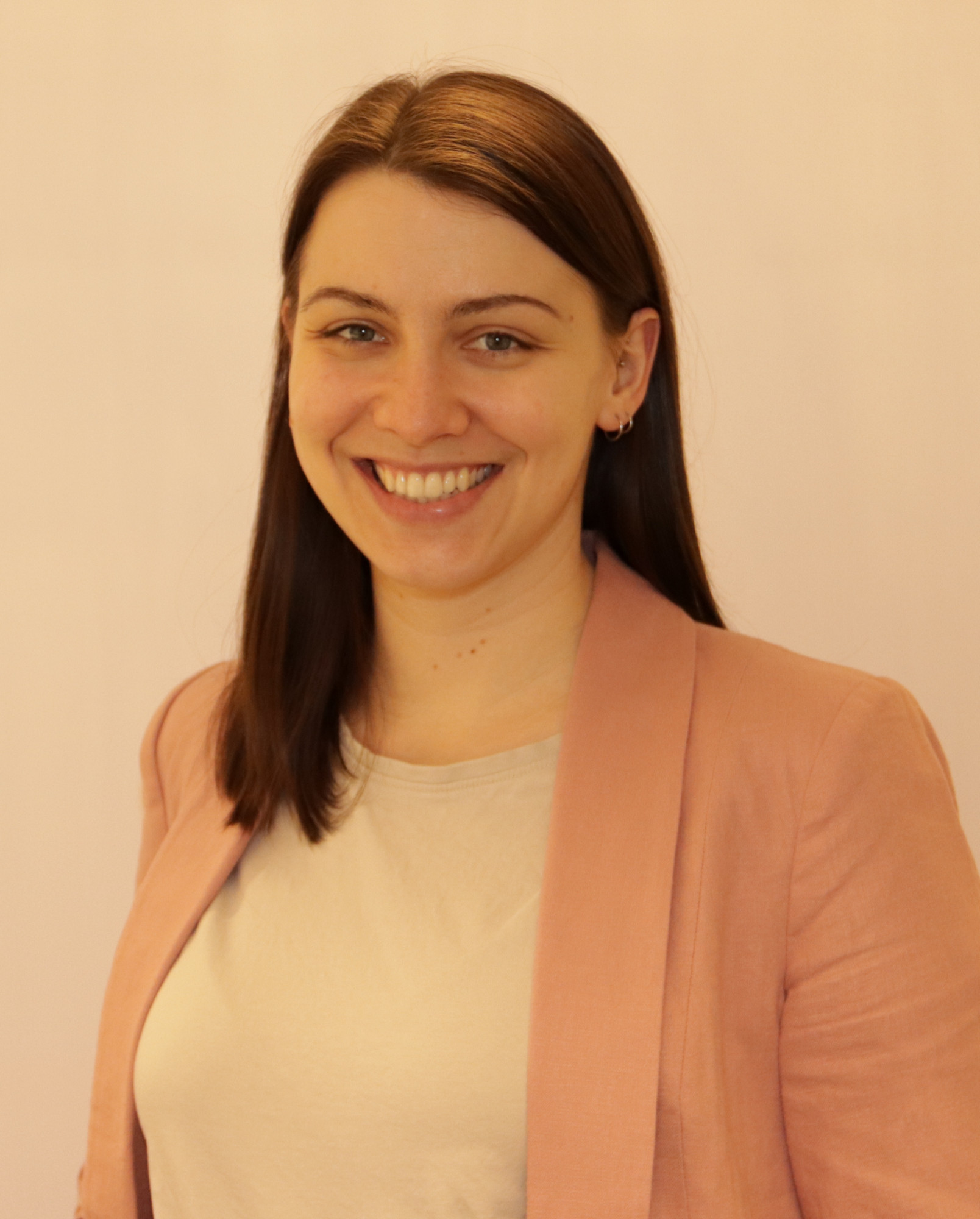
Monique is a PhD researcher at the Faculty of Law, University of Groningen, with an interdisciplinary background in law, social sciences and health. She primarily investigates how the right to mental health can be localised in climate disaster displacement contexts. Beyond this, her research addresses human rights and health at the intersections of climate change, disasters and internal displacement. She was involved in the development of a new indicator that tracks engagement on physical and mental health in climate litigation, recently published in the 2026 Europe report of the Lancet Countdown on health and climate change. Monique is a member of the interdisciplinary EU COST Action CLIMENT (Climate Change and Mental Health Impacts) and coordinator of the Netherlands Network for Human Rights Research Working Group on Human Rights and the Climate Crisis.
Quantifying Climate Damages
Moderator
- Cynthia Hanawalt, Director of Climate and Business Law at Columbia University's Sabin Center for Climate Change Law
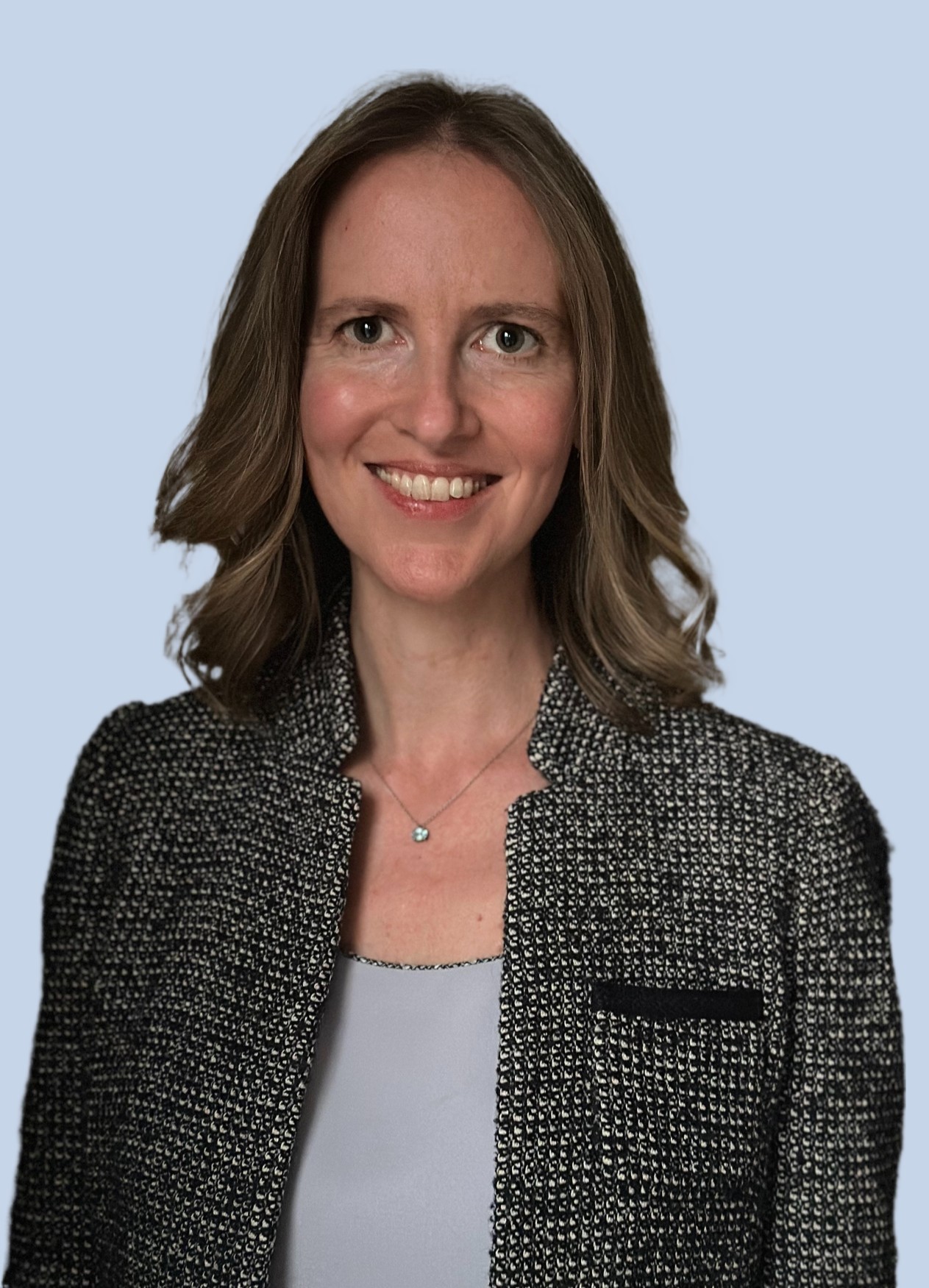
Cynthia Hanawalt is the Director of Climate and Business Law at Columbia University's Sabin Center for Climate Change Law. She previously served as Chief of the Investor Protection Bureau for the New York Office of the Attorney General, and as a securities litigator at several prominent NYC firms.
Speakers
- Dr. Ilan Noy, Te Āwhionukurangi Chair in the Economics of Disasters and Climate Change at Victoria University of Wellington in New Zealand, and Professor of Applied Economics at the Gran Sasso Science Institute in Italy
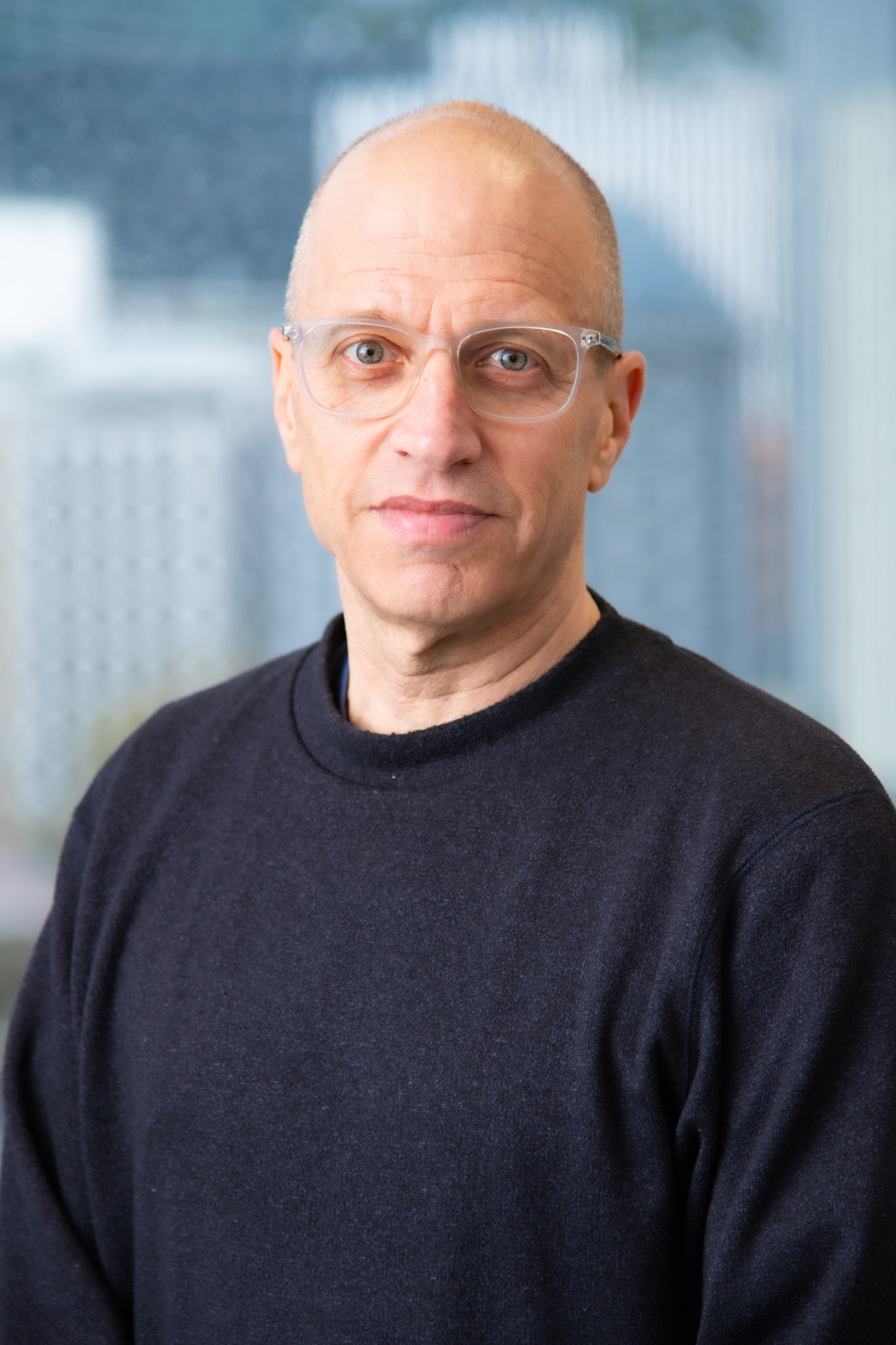
Ilan's research focuses on the economic aspects of natural hazards, disasters, and climate change, and related topics. He is also the founding Editor-in-Chief of the journal Economics of Disasters and Climate Change. He previously worked at the University of Hawai’i, and has consulted for the World Bank, the Asian Development Bank, the Inter- American Development Bank, OECD, UNDRR, the IMF, CDRI and ASEAN, and several national governments.
- Dr. Mireia Ginesta, Postdoctoral Research Associate, Oxford Sustainable Law Programme, University of Oxford
Mireia is a Postdoctoral Research Associate in Climate Damages Analysis at the Oxford Sustainable Law Programme, University of Oxford, where she works within the Climate Litigation Lab. Her research explores the links between high-intensity extreme weather events and a changing climate, with a particular focus on quantifying the economic damages caused by severe storms and attributing these impacts to anthropogenic climate change. She holds a BSc in Physics and an MSc in Meteorology from the Universitat de Barcelona, and a PhD from Université Paris-Saclay focused on the attribution of severe storms in Europe to human-induced climate change.
- Dr. Shouro Dasgupta, Environmental Economist, Euro-Mediterranean Center on Climate Change | European Institute on Economics and the Environment Lecturer, Ca' Foscari University of Venice Visiting Senior Fellow, Grantham Research Institute, LSE
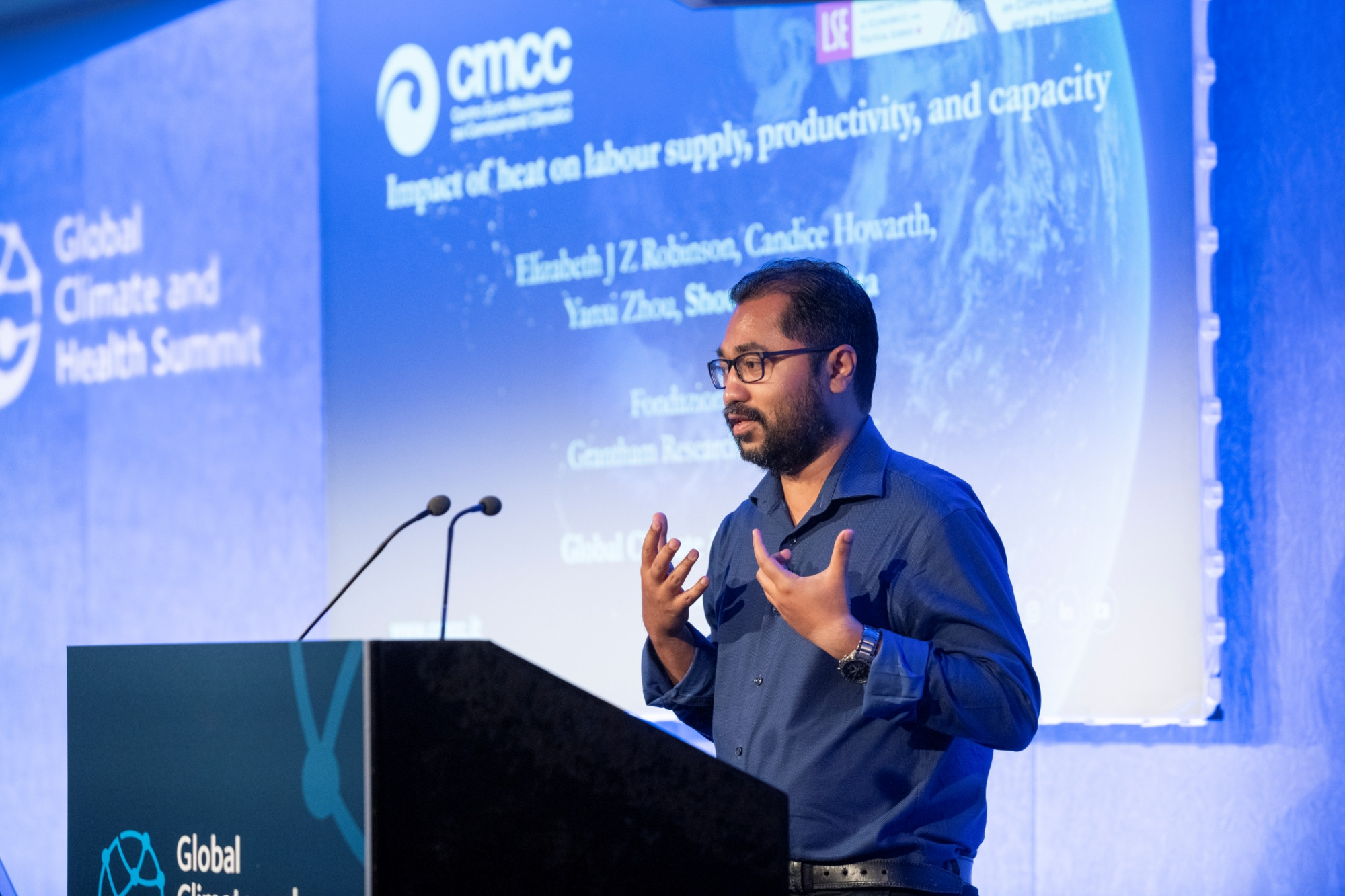
Shouro Dasgupta is an Environmental Economist at the Euro-Mediterranean Center on Climate Change (CMCC) and a Visiting Senior Fellow at the Grantham Research Institute, LSE. He is a Lead Author for IPCC AR7 WGIII. His research focuses on the impacts of climate change on the labour force, food (in)security, health, and inequality, with the aim of generating a robust evidence base for targeted mitigation and adaptation strategies. He is particularly interested in the efficacy of adaptation measures and social protection policies. Dasgupta leads the ISIMIP labour impacts sector and leads both the Health and Food Security risk evaluations for the second European Climate Risk Assessment, mandated by the European Parliament. He is an author of the Global, Europe, Latin America, and SIDS reports of the Lancet Countdown on Climate Change and Health, and one of 78 experts convened by the UNFCCC to support the UAE–Belém work programme in developing indicators to measure progress toward the Global Goal on Adaptation. He teaches graduate courses at the Ca' Foscari University of Venice.
- Dr. Christopher Callahan, Earth system scientist and assistant professor in the O’Neill School of Public and Environmental Affairs at Indiana University
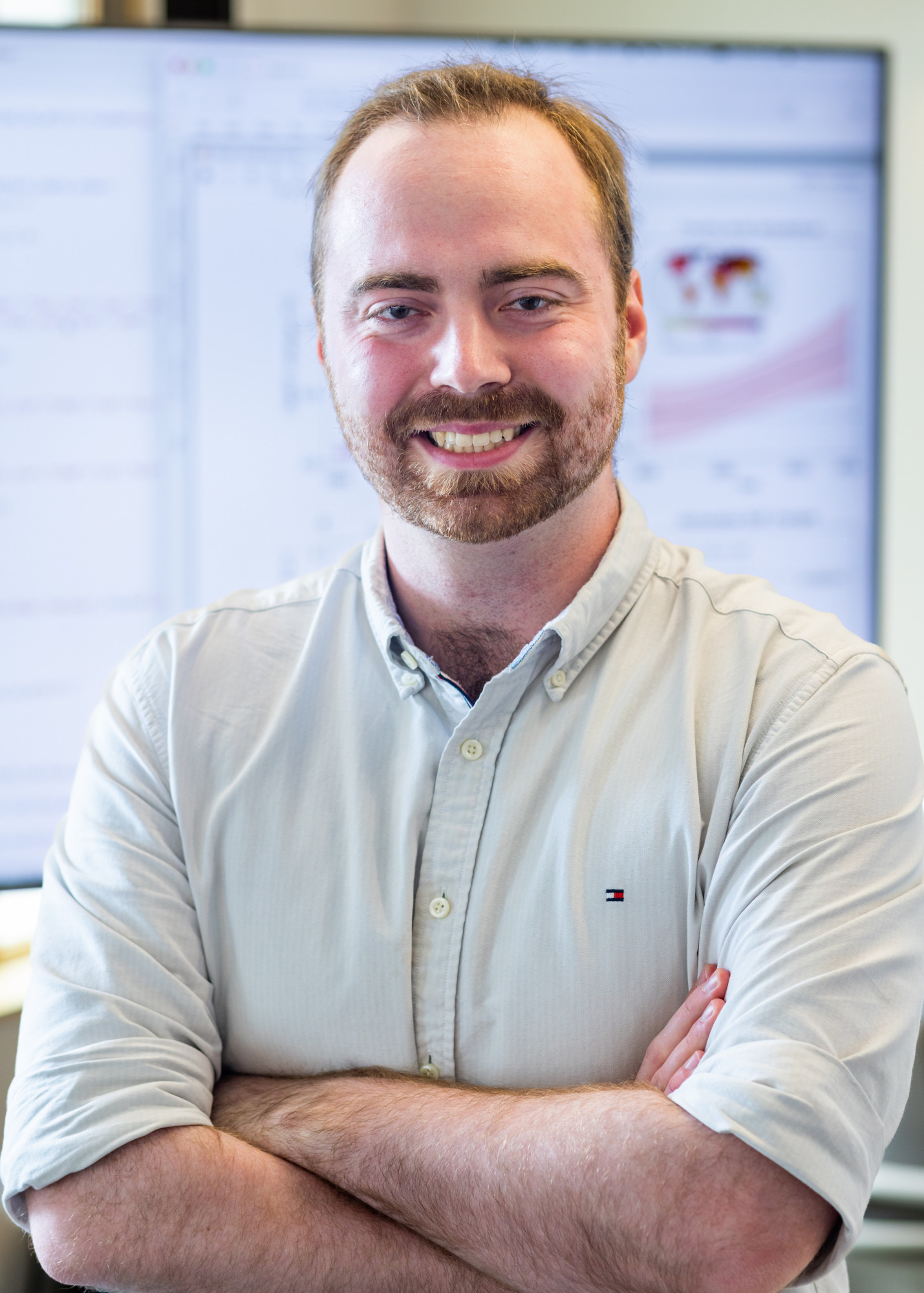
Christopher Callahan’s research addresses the health, economic, and social consequences of anthropogenic climate change, using methods from both physical climate science and quantitative social science, with a particular focus on extreme climate events such as heat waves. He has developed frameworks for the attribution of climate damages and allocation of responsibility for climate change, work that has directly informed emerging climate litigation, loss and damage, and other liability efforts. He previously worked as a Postdoctoral Scholar at Stanford University and received his Ph.D. from Dartmouth College.
Day 2: June 11, 2026
Moderator
- Romany Webb, Research Scholar, Columbia Law School Deputy Director, Sabin Center for Climate Change Law Adjunct Associate Professor of Climate, Columbia Climate School
.jpeg)
Romany M. Webb is Deputy Director of the Sabin Center for Climate Change Law. Romany also holds appointments as a Research Scholar at Columbia Law School and Adjunct Associate Professor of Climate at the Columbia Climate School. Much of Romany's research focuses on how legal and policy tools can be used to minimize the climate impacts of energy development and the impacts of climate change on energy infrastructure. Romany also researches legal issues associated with the development and deployment of greenhouse gas removal technologies on land and in the ocean. She is a member of the National Academy of Sciences, Engineering, and Medicine Standing Committee on Marine Carbon Dioxide Removal and the Pool of Experts of the United Nations Regular Process for Global Reporting and Assessment of the State of the Marine Environment and a contributing author of the UN World Ocean Assessment.
Speakers
- Rachel Rothschild, Assistant Professor of Law, University of Michigan Law School
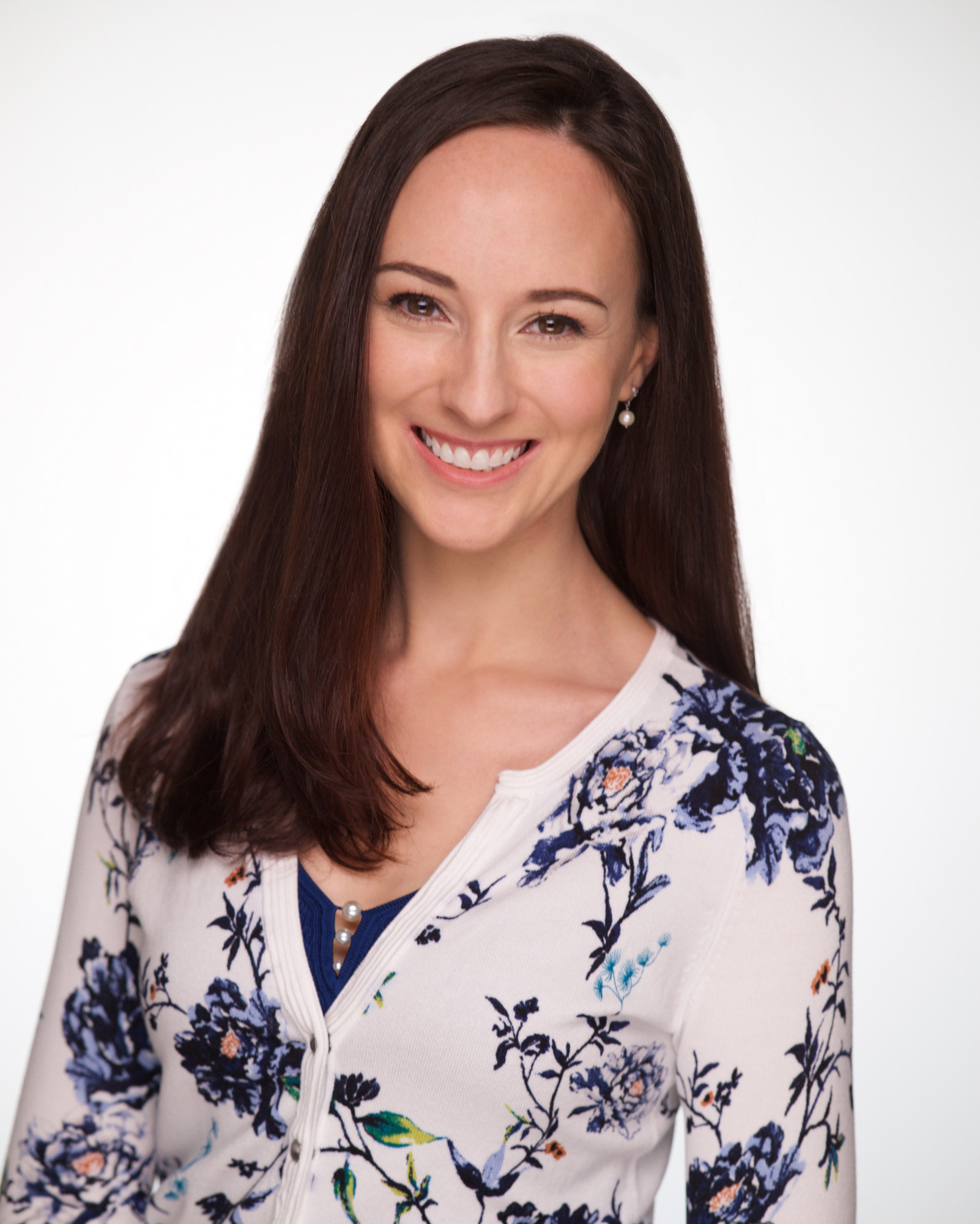
Rachel Rothschild is an assistant professor of law at the University of Michigan Law School. Her scholarship sits at the intersection of environmental law, history, and policy. She is the author of Poisonous Skies: Acid Rain and the Globalization of Pollution (University of Chicago Press, 2019), and she is currently at work on a second book project tentatively titled Environmental Science and the Administrative State. Her recent research has focused on the regulation of toxic substances, the history of the major questions doctrine, and the constitutionality of state climate superfund laws. In 2025, Rothschild was named the Pace Haub School of Law Environmental Law Distinguished Junior Scholar, and in 2026, she received the New Directions in Environmental Law award.
- Dr. Andrew Dessler, Professor of Atmospheric Sciences and Director, Texas Center for Extreme Weather, Texas A&M University
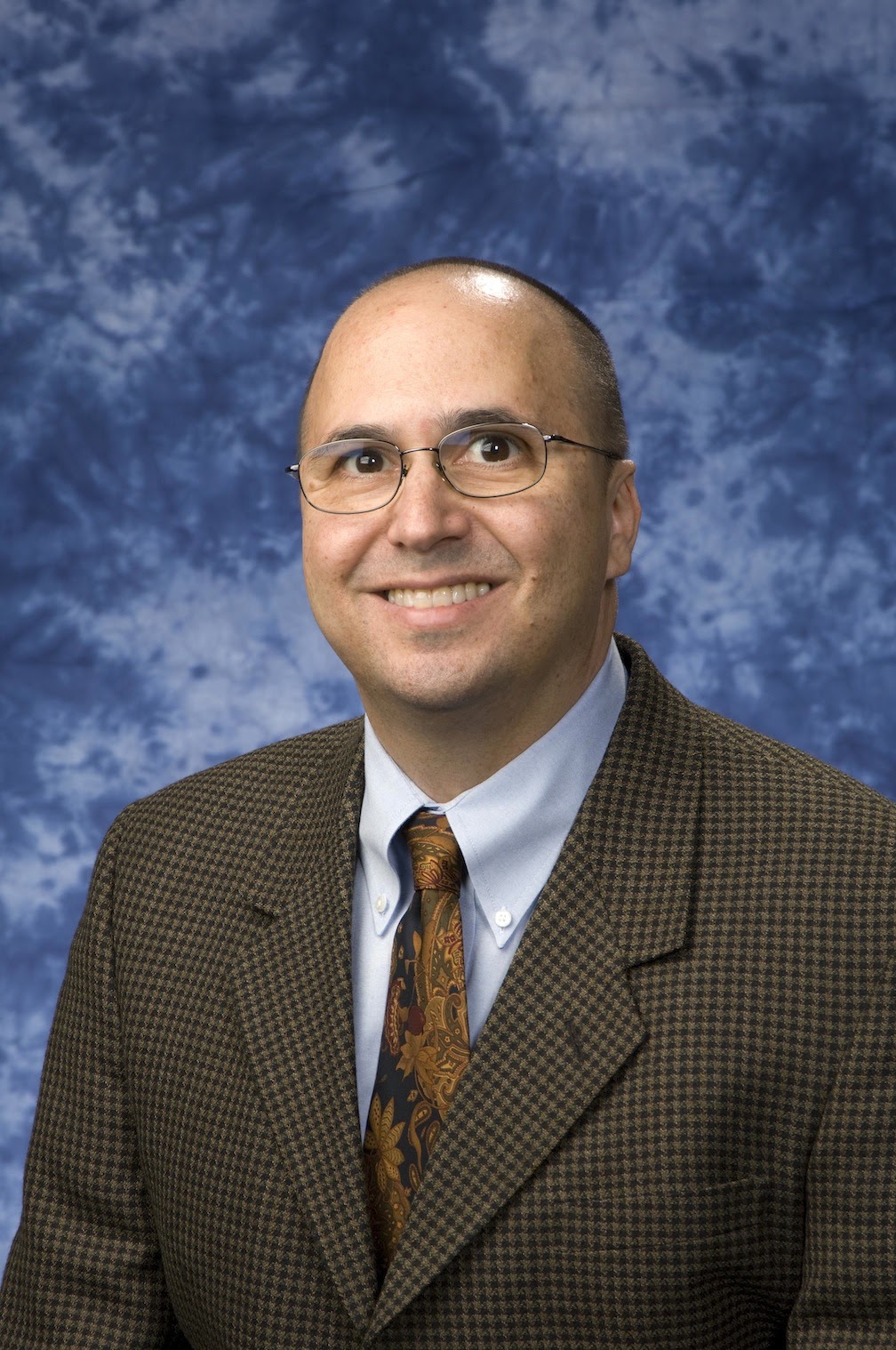
Andrew Dessler is a Professor of Atmospheric Sciences and director of the Texas Center for Extreme Weather at Texas A&M University. His recent work focuses on the intersection of climate change with human systems including energy, health, and infrastructure. He served as a Senior Policy Analyst in the Clinton White House's Office of Science and Technology Policy and has authored several books, including Introduction to Modern Climate Change and The Science and Politics of Global Climate Change. Recognized for both research and communication, he is a Fellow of AAAS and AGU, won AGU's Climate Communication Award, was named a Google Science Communication Fellow, and has held leadership roles including AAAS section chair and AGU section president, along with extensive service on NASA advisory committees. He holds a B.A. in physics from Rice and a Ph.D. in chemistry from Harvard. Prior to graduate school, he worked in investment banking.
- Dr. Delta Merner, Lead Scientist, Science Hub for Climate Litigation, Union of Concerned Scientists
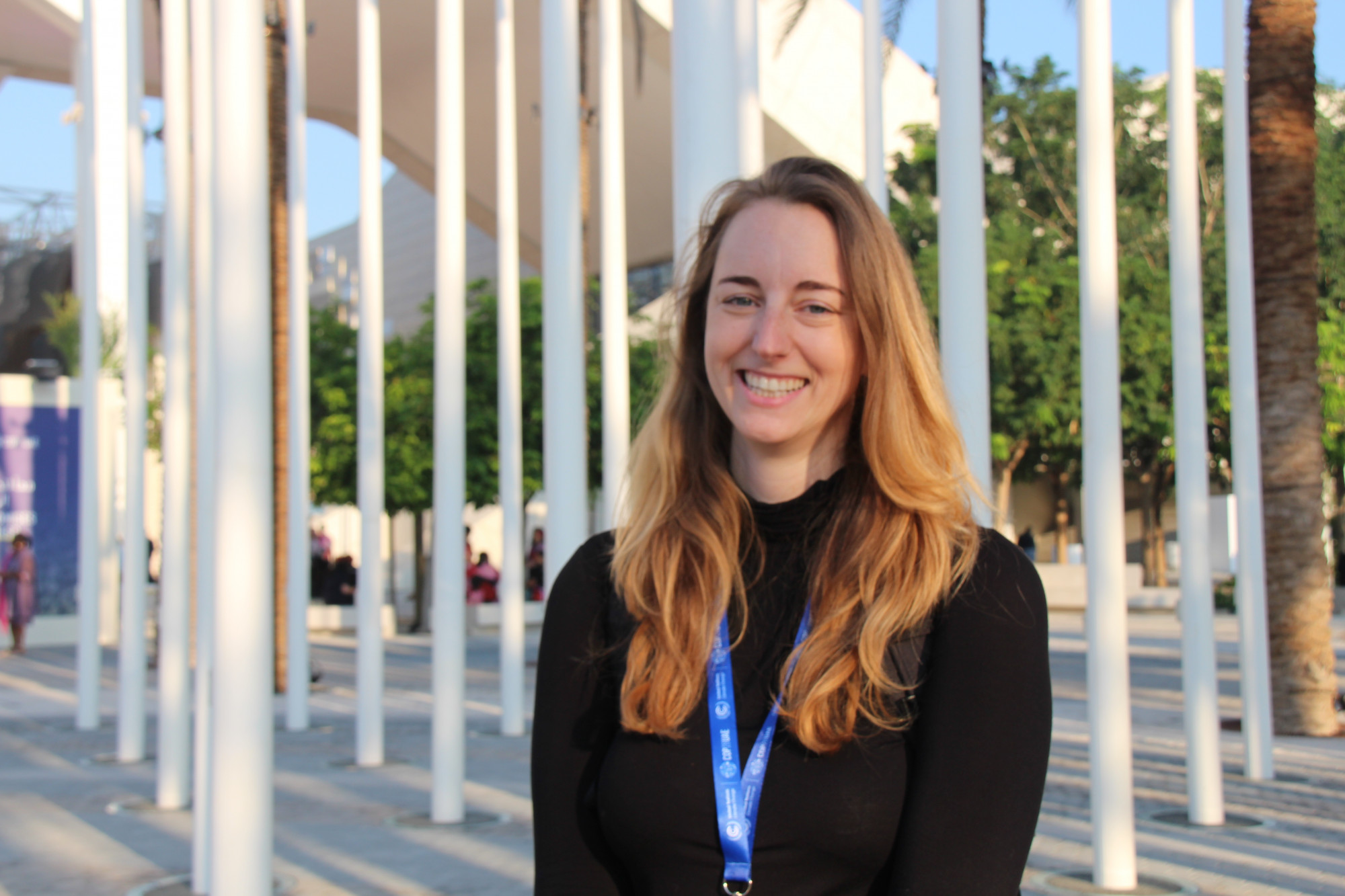
Delta Merner is a Lead Scientist at the Union of Concerned Scientists (UCS), specializing in both the social and physical sciences, with a focus on climate litigation, climate attribution, and fossil fuel accountability. As the head of UCS’s Science Hub for Climate Litigation, Delta conducts research and provides scientific evidence to inform climate-related legal cases. She also reviews legal communications for scientific accuracy and facilitates connections between legal teams and technical experts. Delta regularly advises governmental and non-governmental organizations on climate-related matters and is a source for media outlets seeking insights on climate issues. Dr. Merner holds a Ph.D. in geography and environmental systems from the University of Maryland, Baltimore County, and a dual bachelor’s degrees in geography and environmental science and policy from Clark University.
- Dr. Lauren Kurtz, Executive Director, Climate Science Legal Defense Fund (CSLDF)
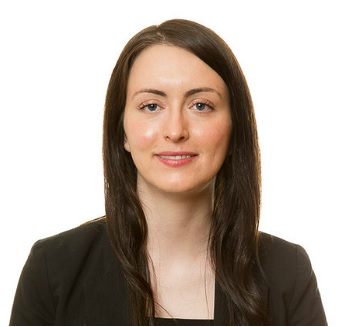
Lauren Kurtz is the Executive Director of the Climate Science Legal Defense Fund, where she leads CSLDF's efforts to defend climate and environmental researchers. She has a JD from the University of Pennsylvania Law School and a master's in Environmental Studies from the University of Pennsylvania.
Harm, Causation, and Responsibility in Climate Litigation
Moderator
- Dr. Kristina Dahl, Vice President for Science, Climate Central
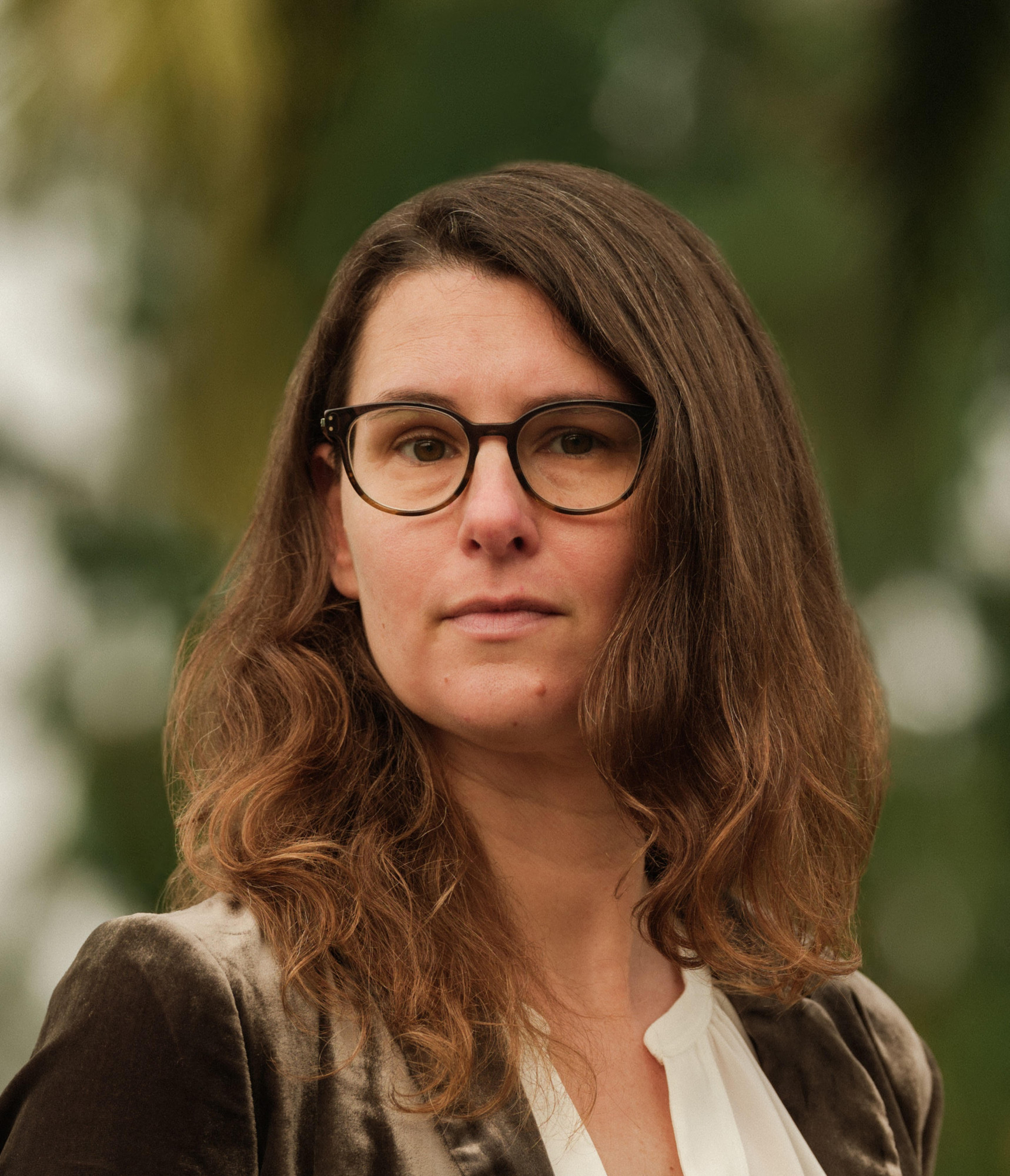
Dr. Kristina Dahl is the vice president for science at Climate Central. In this role, she leads Climate Central’s scientific activities and designs analyses that enable people to connect their lived experiences to climate change. Over the course of her career, Dr. Dahl has researched a range of different climate impacts, from heat-related health problems to worsening wildfires. Prior to joining Climate Central, she served as a principal climate scientist at the Union of Concerned Scientists, where her work supported the development of local, state, and federal policies. Dr. Dahl holds a B.A. in earth sciences from Boston University and a Ph.D. in paleoclimate from the Massachusetts Institute of Technology/Woods Hole Oceanographic Institution Joint Program.
Speakers
- Petra Minnerop, Professor of International Law, Dr. iur., SFHEA
Associate Pro-Vice-Chancellor (Sustainability), Durham University
Director of the Centre for Sustainable Development Law and Policy, Durham Law School
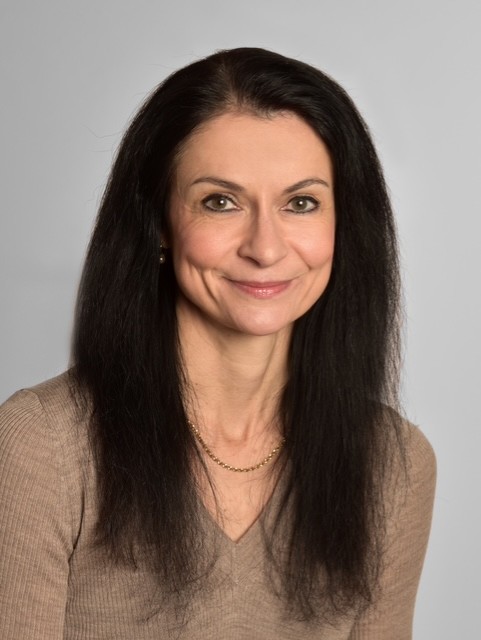
Professor Petra Minnero research spans the intersection of law and science in the context of sustainability, climate change and environmental protection. Her work examines how the law can be advanced to effectuate change in light of scientific evidence, to address global environmental crises. She uses comparative legal analysis and interdisciplinary methods and has published widely on climate change, environmental law and policy and international law. Petra serves as the Associate-Pro-Vice-Chancellor (Sustainability) and Chair of the UN SDG Group of the University, with responsibility for the University's reporting on Sustainability (QS) and the implementation of the United Nations Sustainable Development Goals (including the submission to the THE Impact ranking) in the academic dimension. She leads on the University;s engagement with the United Nations Framework Convention on Climate Change (UNFCCC). Petra is the founding Director of the Durham and the lead PI on the flagship initiative of the CSDLP: the Just Transitions to a Net Zero World (JusTN0W). She has undertaken extensive research on the integration of science into the NDCs 3.0 as PI for a British Academy funded project, ELEVATE-ProClima (Enhance and Leverage the Architecture on Evidence for proteção climática (climate protection)), to support Evidence-informed Policymaking. This project involves a wider team and colleagues from Brazil, led by the CO-Is Flavia Trentini (University of São Paulo) and Caio Gracco Pinheiro Dias (University of São Paulo).
- Emily Boyd, Director, Beijer Institute of Ecological Economics, Royal Swedish Academy of Sciences; Professor of Sustainability Science, Lund University
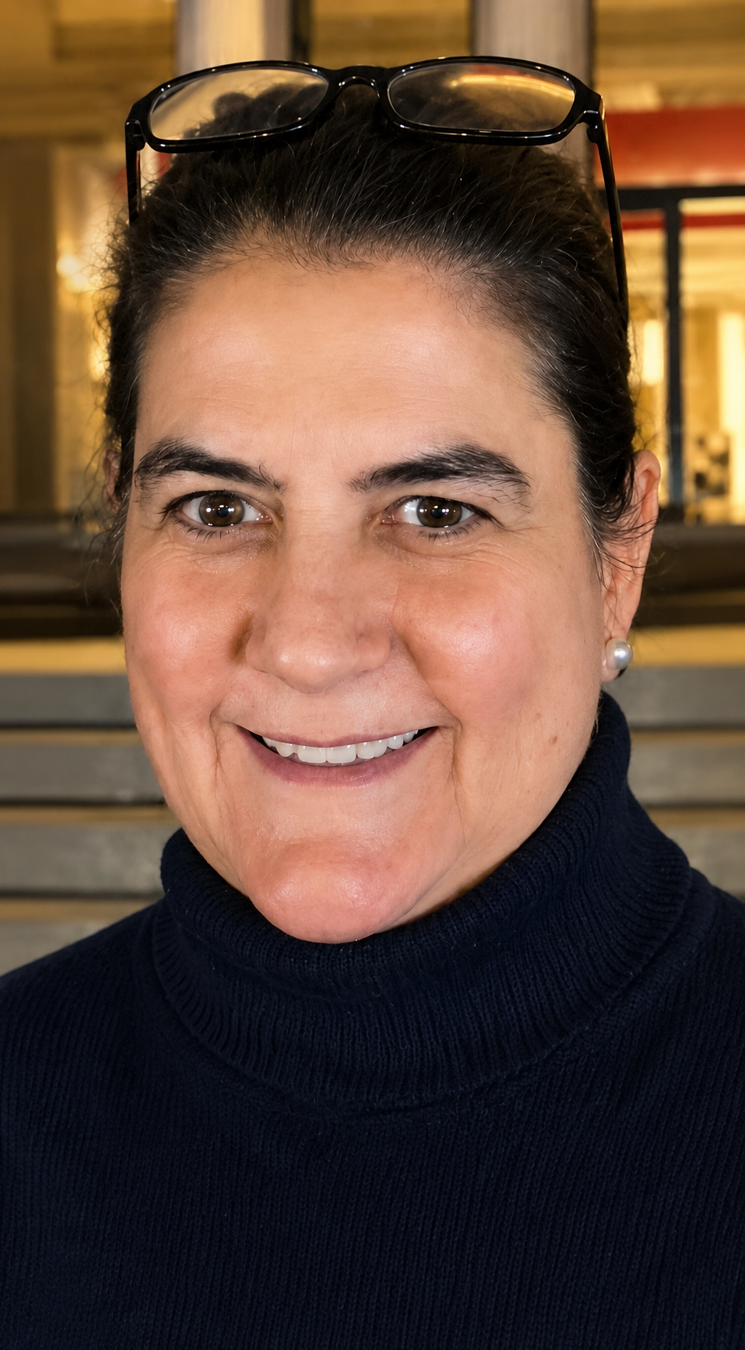
Emily Boyd is a leading social scientist in sustainability and development geography whose research examines inequality, climate change, and global environmental governance. Her expertise spans loss and damage, climate adaptation, resilience, and climate justice, with a particular focus on non-economic loss and damage, immobility, vulnerability, and intersectionality. She has made significant contributions to understanding why people remain in places exposed to climate risks, who stays, how they adapt, and what forms of structural transformation are required to advance climate justice. Her work also explores responses to loss and damage, including socio-legal mobilisation, climate litigation, and resistance.
Emily leads an internationally recognised research group and has published more than 100 peer-reviewed articles. A highly cited researcher, she has secured numerous major grants, including funding for the Africa Loss and Damage Network (ALADAN) and UNELD through the ASCEND programme. She is Editor-in-Chief of Global Sustainability and serves on the scientific committee of the Volvo Environment Prize. As Co-Director of Climes, the Swedish Research Council (VR) Centre of Excellence, and a member of the leadership team for the Nature-Based Future Solutions Profile Area at Lund University, she works across disciplines, collaborating with researchers in the natural sciences, law, engineering, health sciences, and the arts.
Emily engages extensively beyond academia, building global research and policy networks across Africa, Latin America, Southeast Asia, and Europe. She has served as Coordinating Lead Author for UNEP (2023; 2026–27), Lead Author for the IPCC Working Group II Sixth and Seventh Assessment Reports, Lead Author for the IPBES Regional Assessment for Africa (2018), and contributor to the UK Climate Change Risk Assessment (2017). She is also an expert contributor to Sweden's National Climate and Vulnerability Assessment (NKSA, 2025).
- Dr. Benjamin Franta, Associate Professor and Senior Research Fellow in Climate Litigation; founding head of the Climate Litigation Lab at the Oxford Sustainable Law Programme
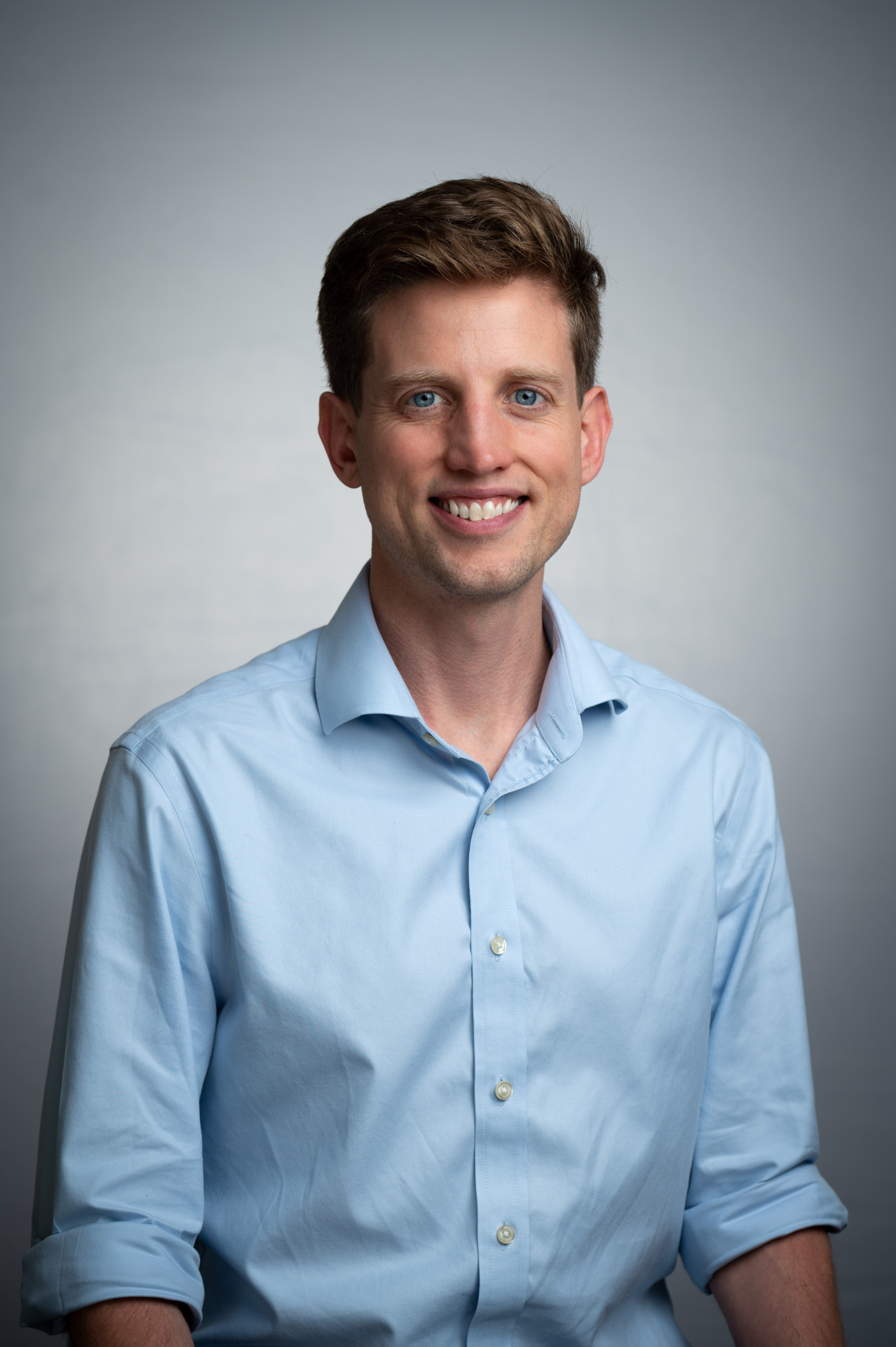
Dr. Franta’s research focuses on applying rigorous methods to practical challenges presented by climate litigation worldwide and has been published in Nature Climate Change, Global Environmental Change, The Guardian, and more, translated into 10 languages, and cited in the US Congressional Record. Dr. Franta holds a PhD in Applied Physics from Harvard University, a separate PhD in History (History of Science) from Stanford University, a JD from Stanford Law School, an MSc in Archaeological Science from the University of Oxford, and a BA in Physics and Mathematics from Coe College in Cedar Rapids, Iowa. He is also a licensed attorney and a member of the State Bar of California.
Climate Impacts, Disaster Risk, and Foreseeable Harm
Moderator
- Dr. Adam Sobel, Professor of Earth and Environmental Sciences, Ocean and Climate Physics, Lamont-Doherty Earth Observatory (LDEO); Professor of Applied Physics and Applied Mathematics, Fu Foundation School of Engineering and Applied Science, Columbia University
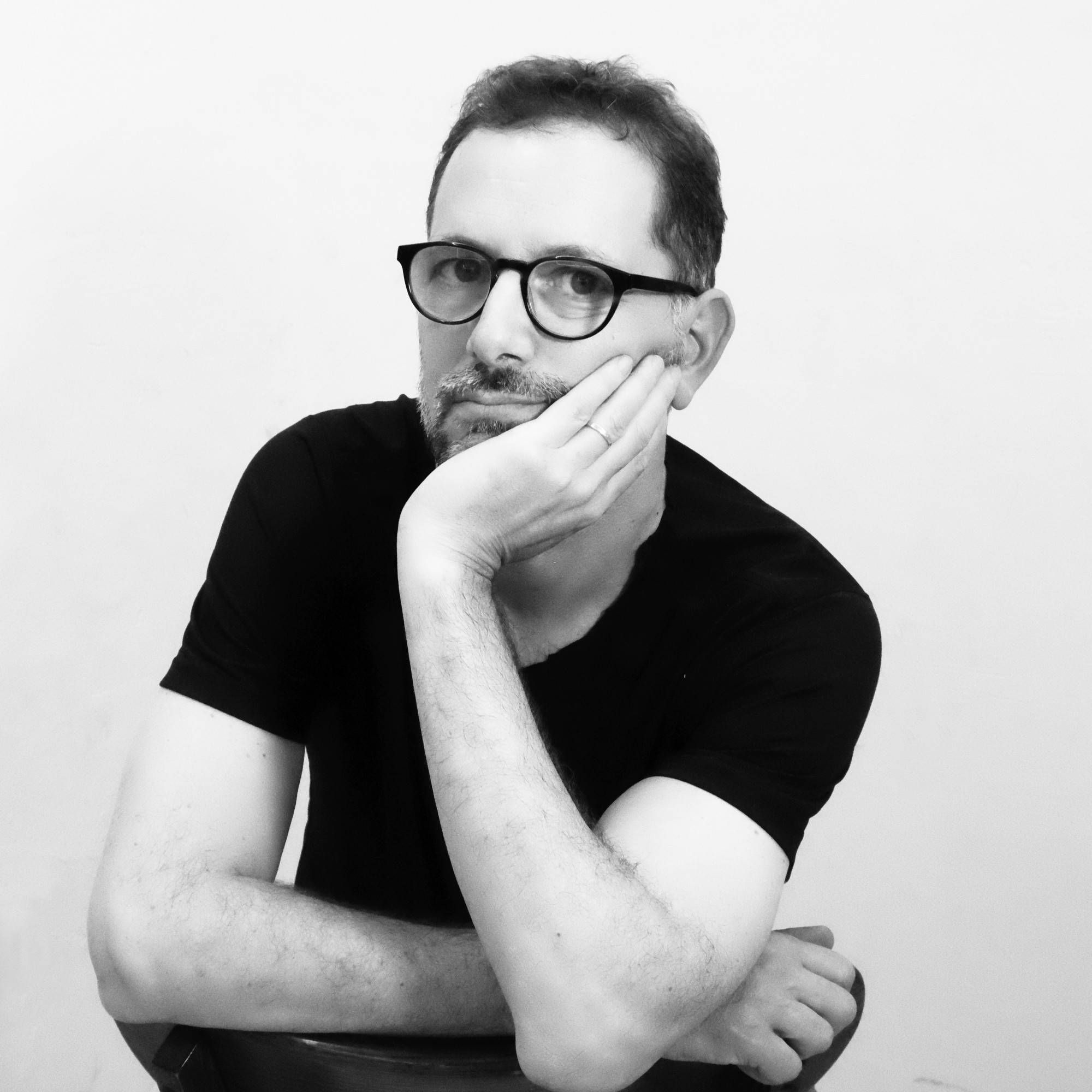
Adam Sobel is a professor and atmospheric scientist at Columbia. In addition to basic research on atmospheric and climate dynamics, Sobel works with the insurance industry, as well as government and academic partners, to develop and implement models for the assessment of extreme weather risk under climate change. He is author or co-author of over 200 peer-reviewed articles, many op-eds and articles for the mainstream media, a popular science book, and a podcast and substack newsletter, both titled Deep Convection.
Speakers
- Dr. Rupert Stuart-Smith, Deputy Director, Oxford Sustainable Law Programme
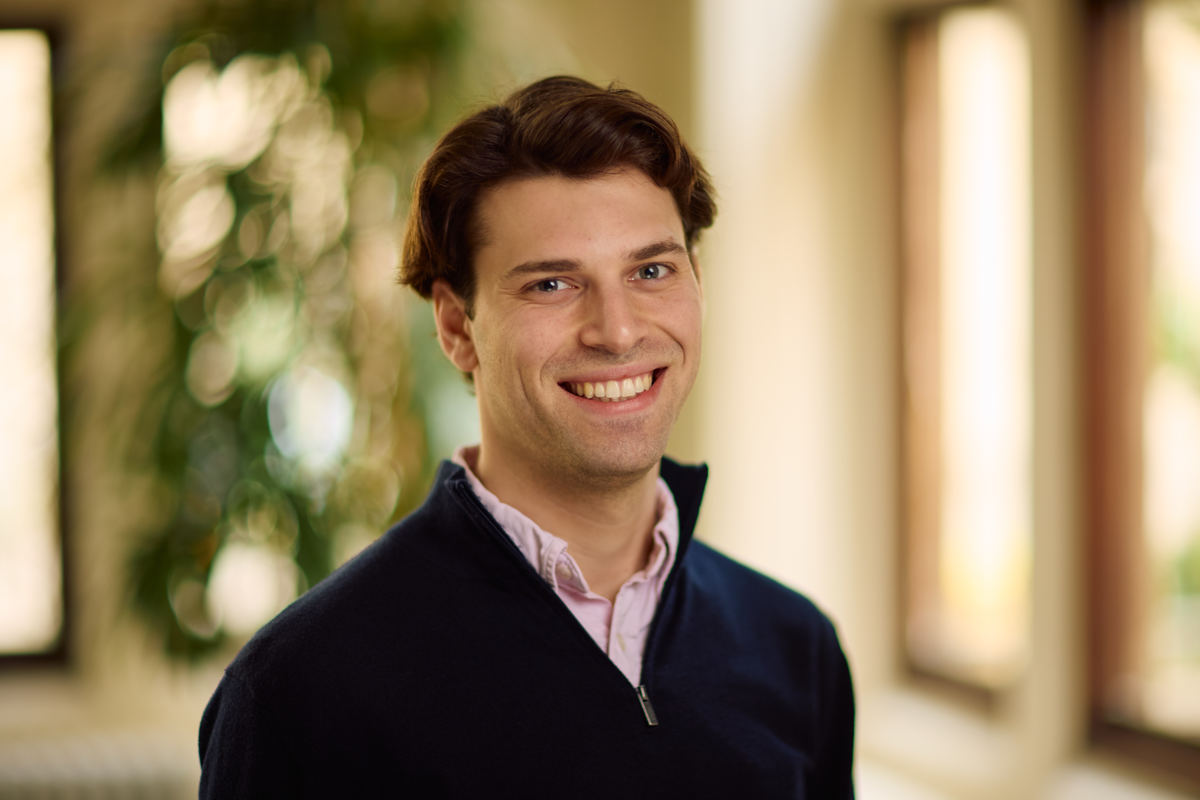
Dr. Rupert Stuart-Smith is the Deputy Director and a Senior Researcher in Climate Science and the Law at the Oxford Sustainable Law Programme. His research advances methods in attribution science to shed new light on the impacts of climate change on health, glaciers, and extreme weather events. In 2025, Dr Stuart-Smith co-led the development of guidance for research attributing health impacts to climate change. He also studies the implications of developments in climate science for state and corporate actors’ legal duties and the implications of burgeoning climate litigation on climate-related financial risk.
- Dr. Ju-Ching (Wendy) Huang, Postdoctoral Fellow, Disaster Prevention Research Center, National Cheng Kung University
.jpeg)
Dr. Ju-Ching Huang is an environmental lawyer whose work focuses on climate adaptation governance, disaster law, and the intersection of climate science and administrative decision-making. She recently completed her S.J.D. at Georgetown University Law Center and holds an LL.M. in Environmental Law and Policy from Stanford Law School. Dr. Huang has collaborated with interdisciplinary teams of legal scholars, planners, engineers, and climate scientists through institutions including the Georgetown Climate Center and the Maryland Sea Grant. She is a postdoctoral fellow at the National Cheng Kung University Disaster Prevention Research Center.
- Dr. Alessandra Lehmen, Dual-qualified lawyer (Brazil/New York); Co-Chair, Climate Law and Governance Initiative (CLGI), Cambridge University; Law Professor, UCS Brazil
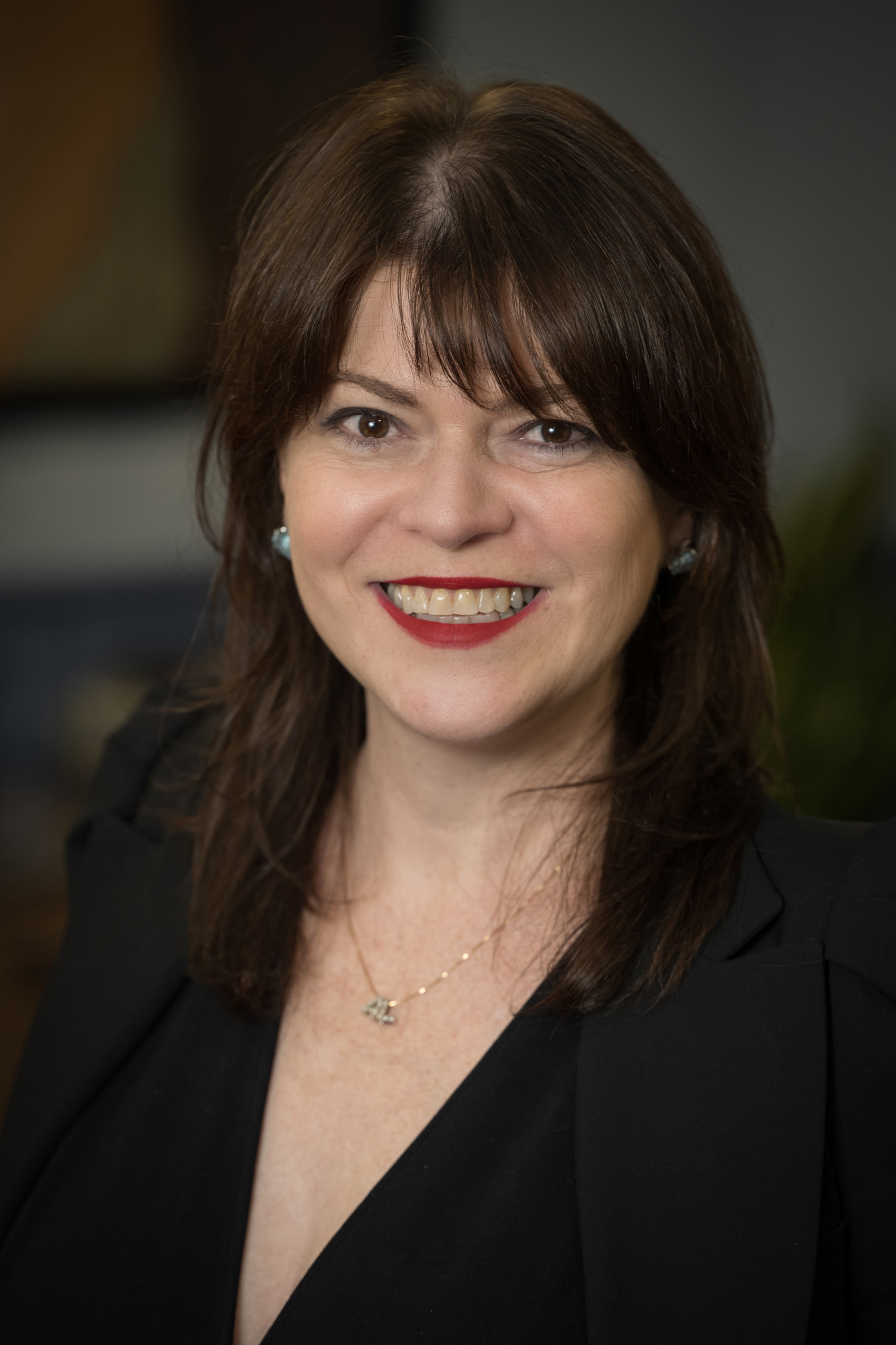
Dr. Lehmen serves as President of the Brazilian Bar Environmental Law Commission, Rio Grande do Sul State Chapter, and Postdoctoral Laureate, Make Our Planet Great Again Program, Presidency of France/CNRS/Aix-Marseille Université. She has a PhD in International Law from the Federal University of Rio Grande do Sul, an LLM in Environmental Law and Policy, Stanford Law School, and an MBA in Law and Economics, Fundação Getulio Vargas. She is a member of the Scientific Committee on Climate Adaptation and Resilience of the State of Rio Grande do Sul, a Rising Environmental Leaders Fellow, Stanford Woods Institute. Fellow, Centre for International Sustainable Development Law (Cambridge/McGill), and a W50 Leadership Scholar, London School of Economics and Political Science. She is certified in ESG, CFA Institute, and in Negotiation, Harvard Law School. She is head of ESG, 30% Club Brazil Chapter. Member of the Carbon Economy Technical Chamber, Brazilian Forum on Climate Change (FBMC). She is also a member of the IUCN World Commission on Environmental Law, and a member of the Climate Change and International Trade community of practice, University of Cambridge/Lauterpacht Centre for International Law. She is recipient of the Olaus and Adolph Murie Award for Best Work in Environmental Law, Stanford Law School, and of the Conservation Catalysts Award, Lincoln Institute of Land Use and Policy/Harvard Forest.
Climate Displacement
Moderator
- Lauren Grant, Founding Executive Director, Beyond Climate Collaborative
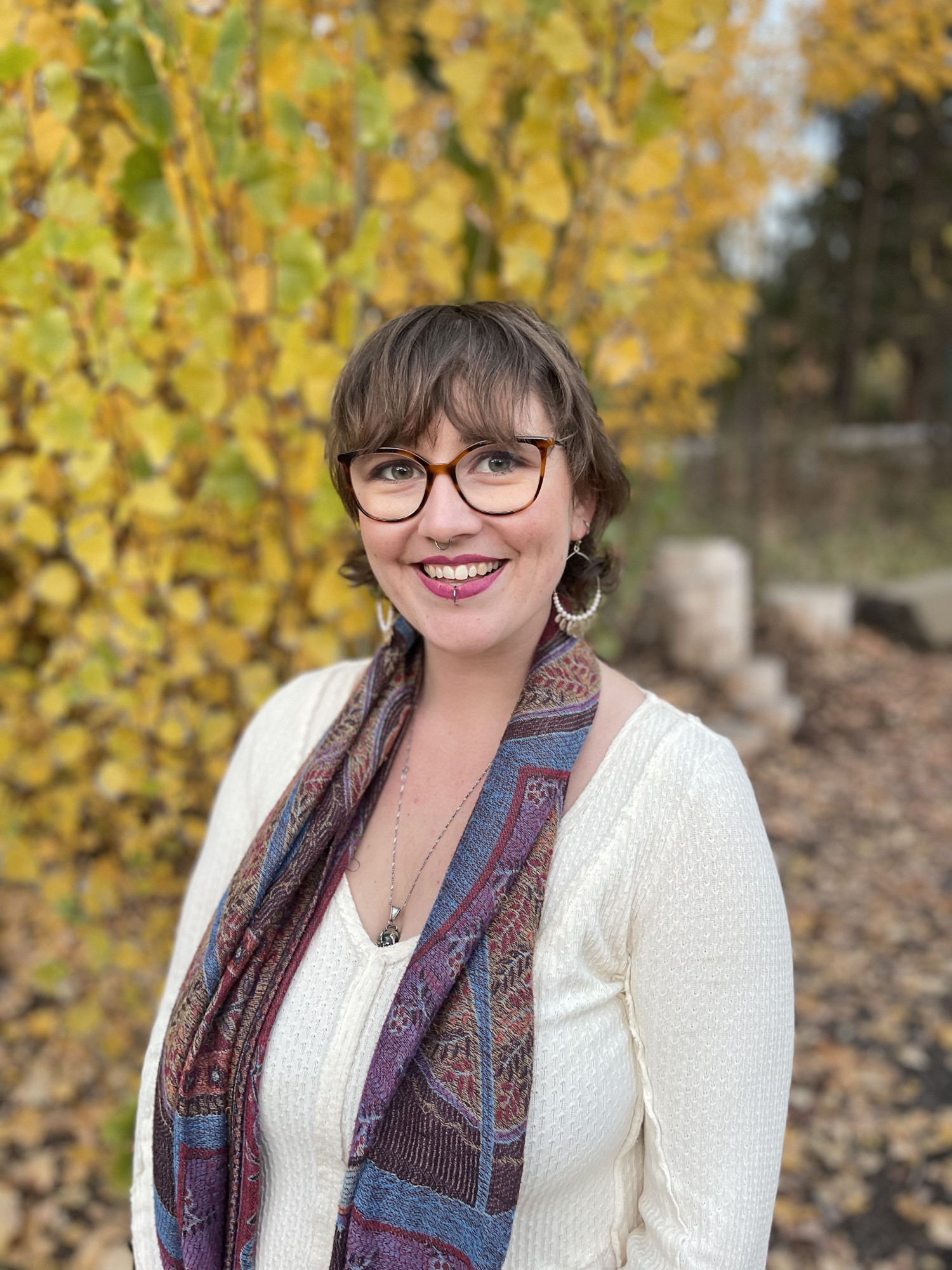
Lauren Grant is a researcher, advocate, and educator advancing climate mobility justice through decolonial, rights-based approaches, with a focus on how climate-related displacement and (im)mobilities are shaped by racial capitalist and colonial systems. She is the Founding Executive Director of Beyond Climate Collaborative (BCC) and Founder & Academic Director of the International School on Climate Mobilities (ISCM). Lauren advises the Africa Centre for Sustainable and Inclusive Development, sits on the UN Platform on Disaster Displacement Advisory Committee, and is a member of the Climate Change and Human Mobility Advisory Group where she contributes to global policy spaces such as the UNFCCC and the International Migration Review Forum. She holds an MSc in Violence, Conflict and Development from SOAS University of London and an MA in Human Rights from Central European University. Lauren is also a TEDx speaker: Why care about climate migrants in an era of loss and damage.
Speakers
- Dr. Gabriela Nagle Alverio, J.D., Ph.D., Director of Law & Policy Innovation, Beyond Climate Collaborative
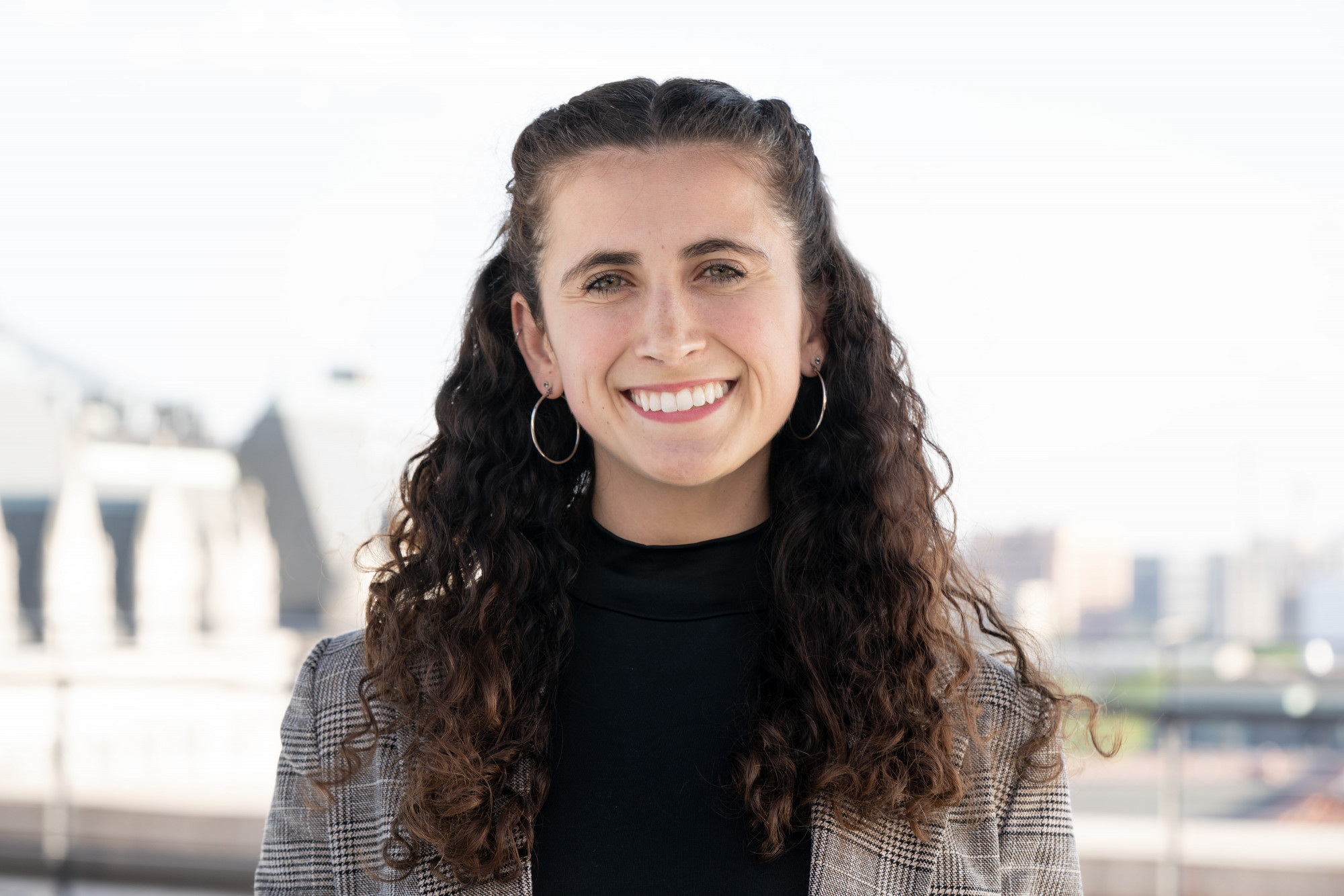
Gabriela’s work sits at the intersection of climate change, human mobility, and legal innovation, with a focus on the policy and litigation strategies needed to protect those displaced by climate disasters and those exercising the right to stay. Her recent research has examined the legal theories available to safeguard climate-displaced populations, the racial disparities in U.S. climate migration, and the legal frameworks governing corporate environmental responsibility around the world. She is the Director of Law & Policy Innovation at Beyond Climate Collaborative as well as an incoming Environmental Law Associate at Covington & Burling. She also co-founded the Climate Mobility & Legal Innovation Programme (CLIP), a cross-jurisdictional training initiative equipping legal practitioners and scholars to advance climate mobility justice through litigation, advocacy, and collaborative legal strategy. She has advised the UNFCCC, USAID, USIP, IOM, Oxfam, UNICEF, and the OSCE on climate mobility, and her scholarship appears in journals including Nature Climate Change, Nature Cities, Environment and Security, and Frontiers in Climate. She holds a J.D. and Ph.D. in Environmental Policy from Duke University, where she served as Editor-in-Chief of Duke Law Journal and Executive Director of the Duke Immigrant and Refugee Project. She also holds an M.A. in Environmental Communications and B.A.s in International Relations and Feminist, Gender, and Sexuality Studies from Stanford University.
- Yumna Kamel, Co-Founder and Executive Director, Earth Refuge
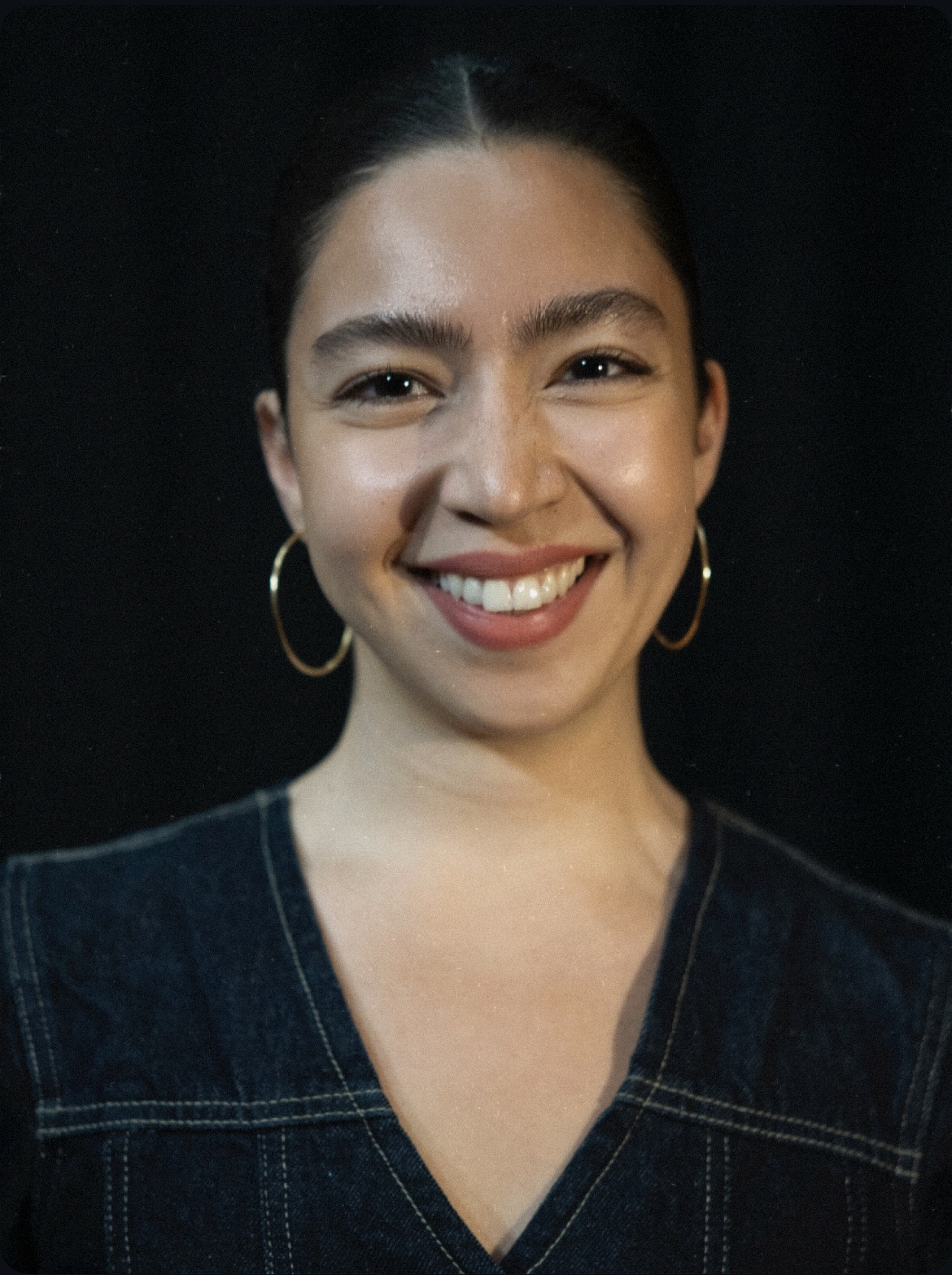
Yumna Kamel is Co-Founder and Executive Director of Earth Refuge, the first legal think tank focused on climate displacement. She is a leading voice on climate mobility and legal innovation, with a track record of building some of the field’s most ambitious public-facing initiatives. At Earth Refuge, she has launched flagship legal education workshops, hosted the first conference on international protection and the climate crisis, and co-developed the Climate Mobility Case Database. She is also co-founder of the upcoming Climate Mobility and Legal Innovation Programme (CLIP). Previously, she was Senior Legal Education Officer at Right to Remain. Yumna holds an LLM from University of Pennsylvania Carey Law School, where she received the Public Interest Fellowship, and an LLB from Queen Mary University of London, where she was awarded for Outstanding Achievement.
- Gamal Basha, Legal Consultant, Qore Legal
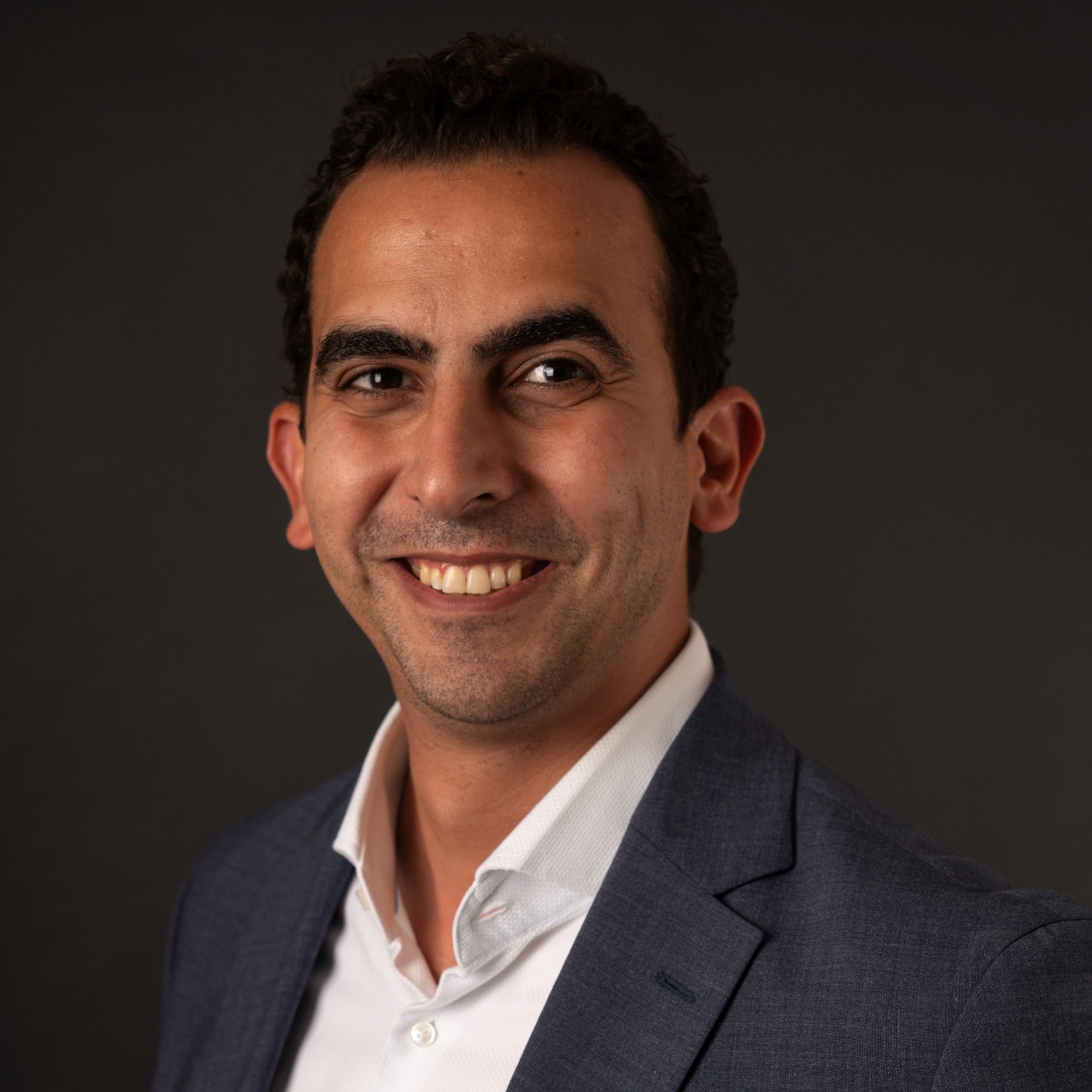
Gamal Basha is a legal consultant specialised in immigration, asylum, and human rights law, with over 14 years of experience across judicial, international, and advisory roles. He previously served as a Judge at the Egyptian State Council and now practices in the UK, supporting individuals through asylum claims and human rights appeals. He often works with vulnerable clients including survivors of trauma and displacement. Gamal has worked in refugee settings in Greece, Jordan, and Lebanon, which has shaped a practical understanding of forced migration. He is speaking at this conference about his experience in securing one of the first successful human rights appeals in the UK based on climate change grounds under Article 8 ECHR. He is passionate about the connection between climate change, human rights, and the legal protection of displaced people.
- Dr. Katarina Velkov, Adjunct Researcher, Human Rights Centre, University of Padova, Italy
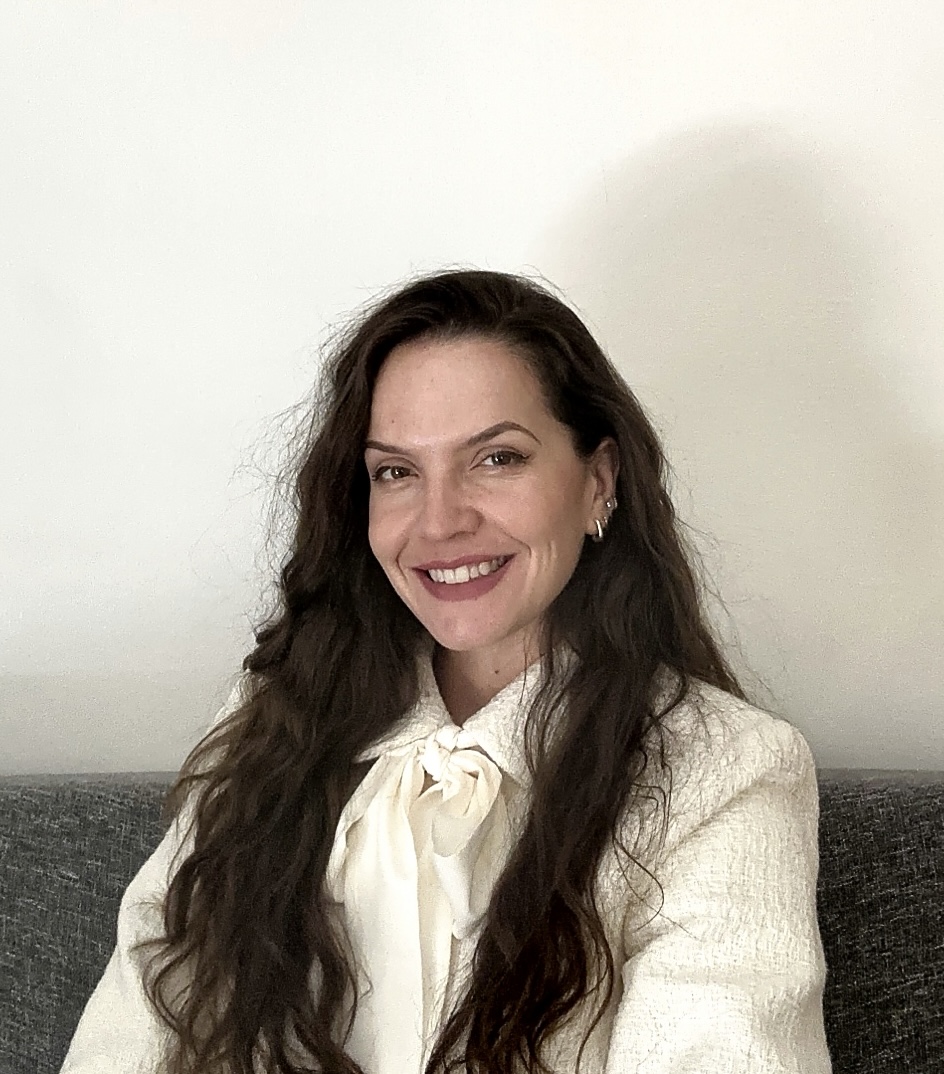
Katarina Velkov holds a Ph.D. from the international joint doctoral program in Human Rights, Society, and Multi-level Governance at the University of Padova. Her research lies at the intersection of human rights, climate justice, and corporate accountability, with a particular interest in the role of states and transnational actors in responding to climate-induced rights challenges. She was a visiting scholar at the University Pompeu Fabra and the University of Nicosia. She currently teaches undergraduate courses on International human rights law and Global governance.
Comparative Law Perspectives
Moderator
- Dr. Maria Antonia Tigre, Director, Global Climate Litigation, Sabin Center for Climate Change Law
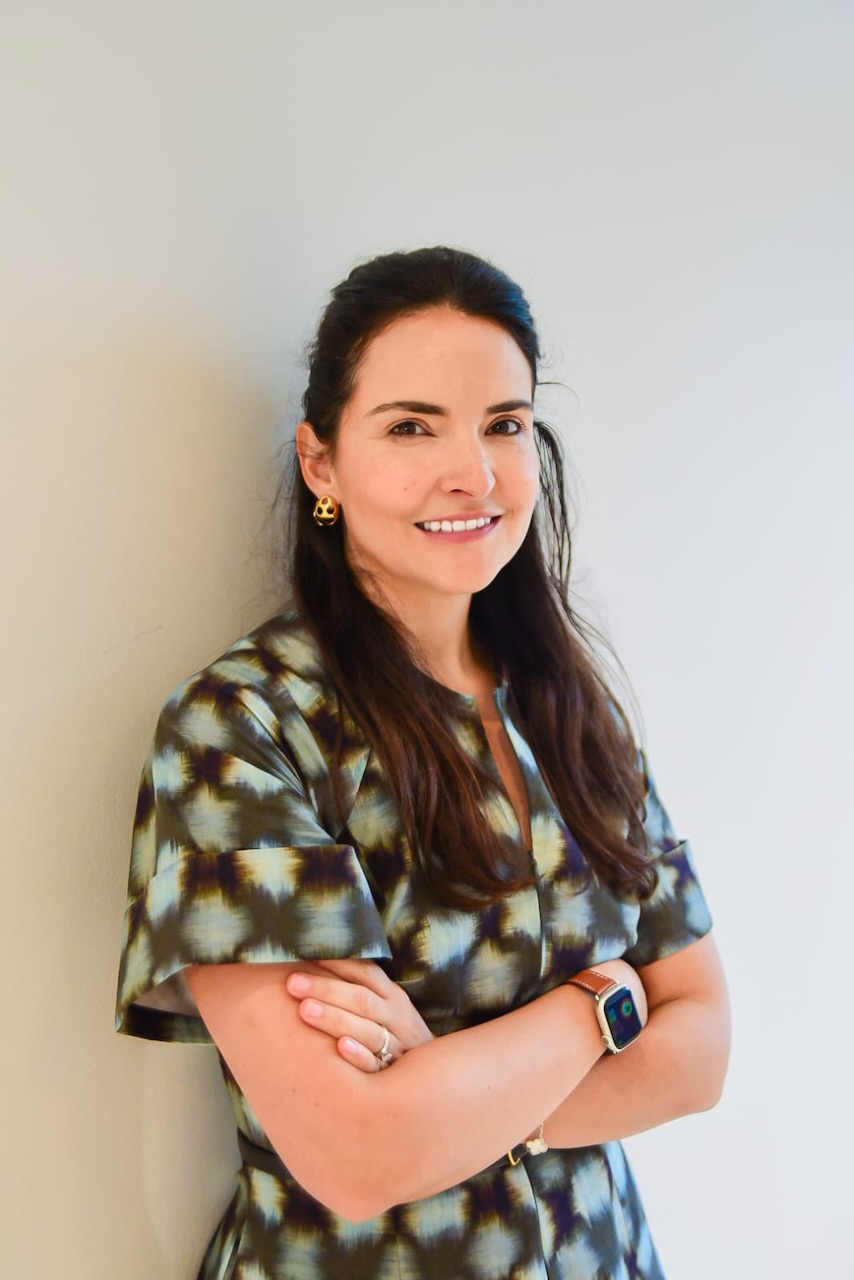
Maria Antonia Tigre is the Director of Global Climate Litigation at the Sabin Center for Climate Change Law at Columbia Law School, where she manages the global Climate Litigation Database. Her scholarship focuses on international climate law, climate justice, human rights, and climate reparations, with a particular emphasis on Global South perspectives and Latin America. She has published widely on climate litigation, the climate change advisory opinions, and the role of international courts in the climate crisis. Her recent edited books include Climate Litigation and Vulnerabilities: Global South Perspectives (Routledge, 2025), Brazil and Climate Justice: Pioneering Climate Litigation for a Global Cause (Brill, 2025), The Role of Advisory Opinions in International Law in the Context of the Climate Crisis (Brill, 2025), and The ICJ's Advisory Opinion on Climate Change (Verfassungsbook, 2025).
Speakers
- Rafaela Santos Martins da Rosa, Federal Judge, Brazil; Visiting Senior Fellow, Grantham Research Institute on Climate Change and the Environment, LSE
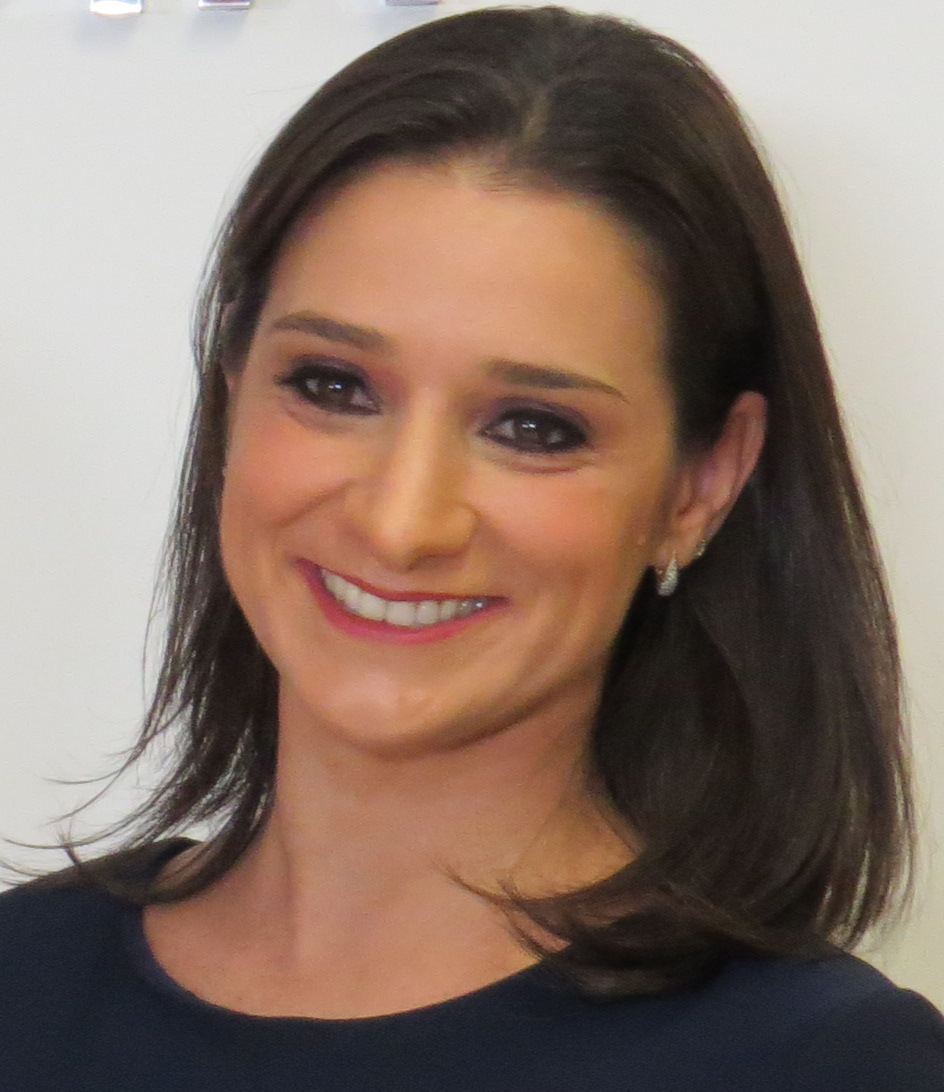
Rafaela Santos Martins da Rosa is a Federal Judge in Brazil since 2006. She has a PhD in Law and was a Visiting Scholar at the University of California, Berkeley Law (2025). She is currently a Visiting Senior Fellow at the Grantham Research Institute for Climate Change and the Environment at the London School of Economics (2026-2028).
- Mariana Cirne, Professor, Master’s and Doctoral Program in Constitutional Law at the Brazilian Institute of Education, Development, and Research (IDP)
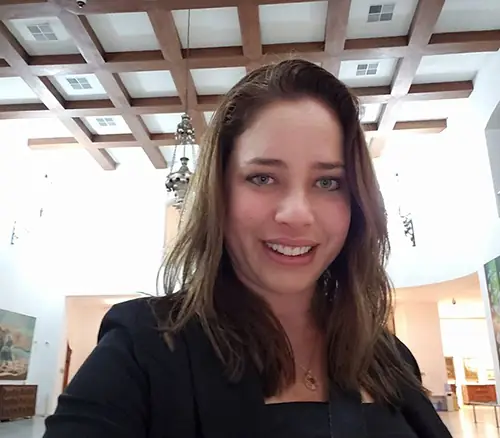
Mariana Cirne is a Professor in the Master’s and Doctoral Program in Constitutional Law at the Brazilian Institute of Education, Development, and Research (IDP), where she leads the research on Socioenvironmental Emergencies in Brazil. She is also a Law Professor at the University Center of Brasília (CEUB) and a collaborator in the Professional Master’s Program in Law and Public Advocacy at the School of the Office of the Attorney General of Brazil (AGU). At IDP, she coordinates the research group Climate, Argumentation, and Separation of Powers (CASP-IDP). She additionally coordinates the extension project Building Bridges, Connecting Knowledge, and Strengthening Climate Justice in Capão Comprido, São Sebastião – DF. Mariana is a member of the Brazilian Association of Environmental Law Professors (APRODAB) and serves as Coordinator of the Research Group on Environmental Law and Sustainable Development at CEUB. She is also a climate litigator, and her research examines the effectiveness and implementation of climate-related judicial and administrative decisions within Brazilian environmental governance.
- Jie Liu, Hubert H. Humphrey Fellow, American University Washington College of Law
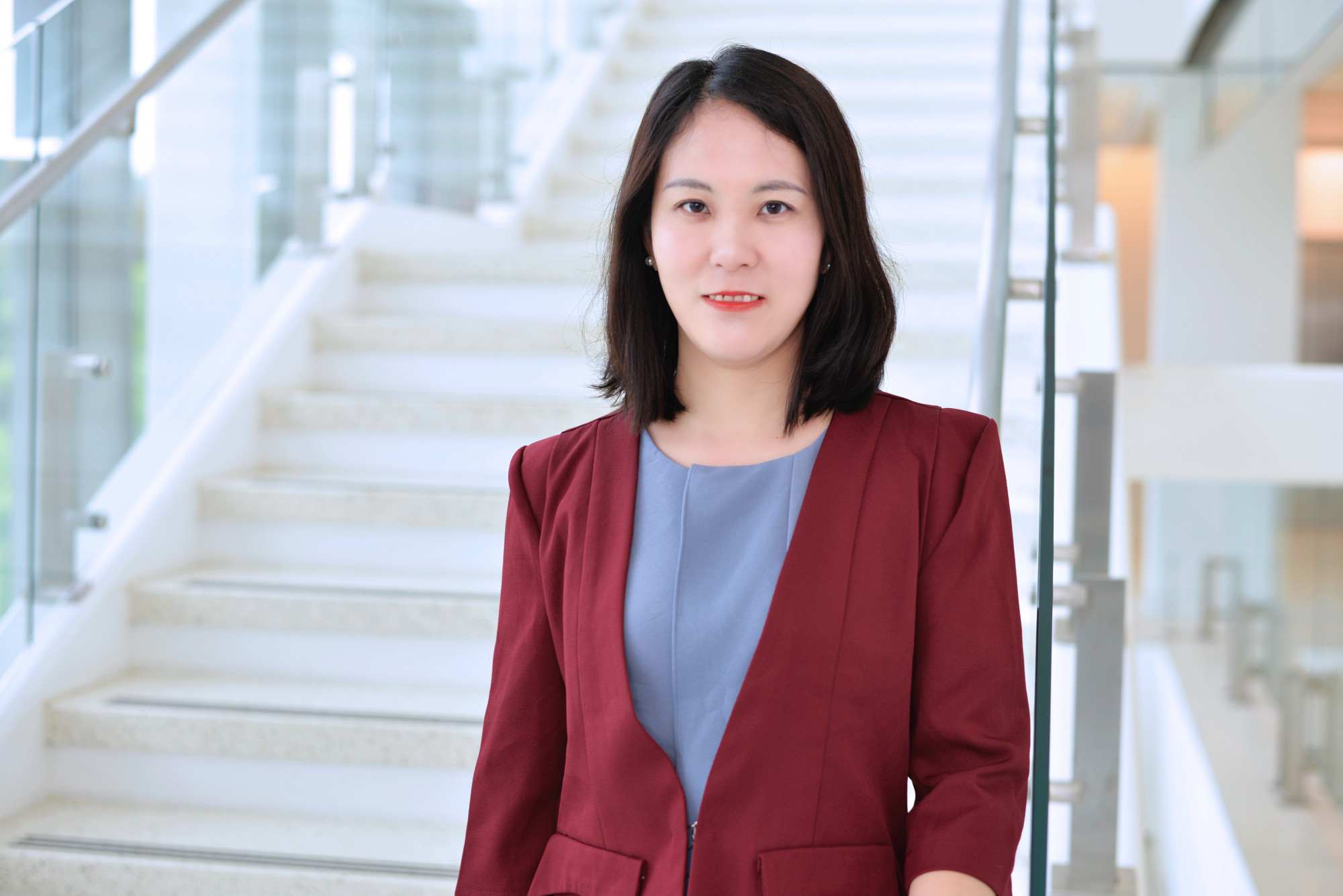
Jie Liu is a Hubert H. Humphrey Fellow at the American University Washington College of Law. She is a distinguished legal practitioner and environmental law expert from China, with more than 15 years of experience working across leading law firms and prominent NGOs. She has led national and international initiatives at the intersection of environmental law, climate governance and climate litigation.
- Dr. Omondi Owino, Judge, Environment and Land Court of Kenya
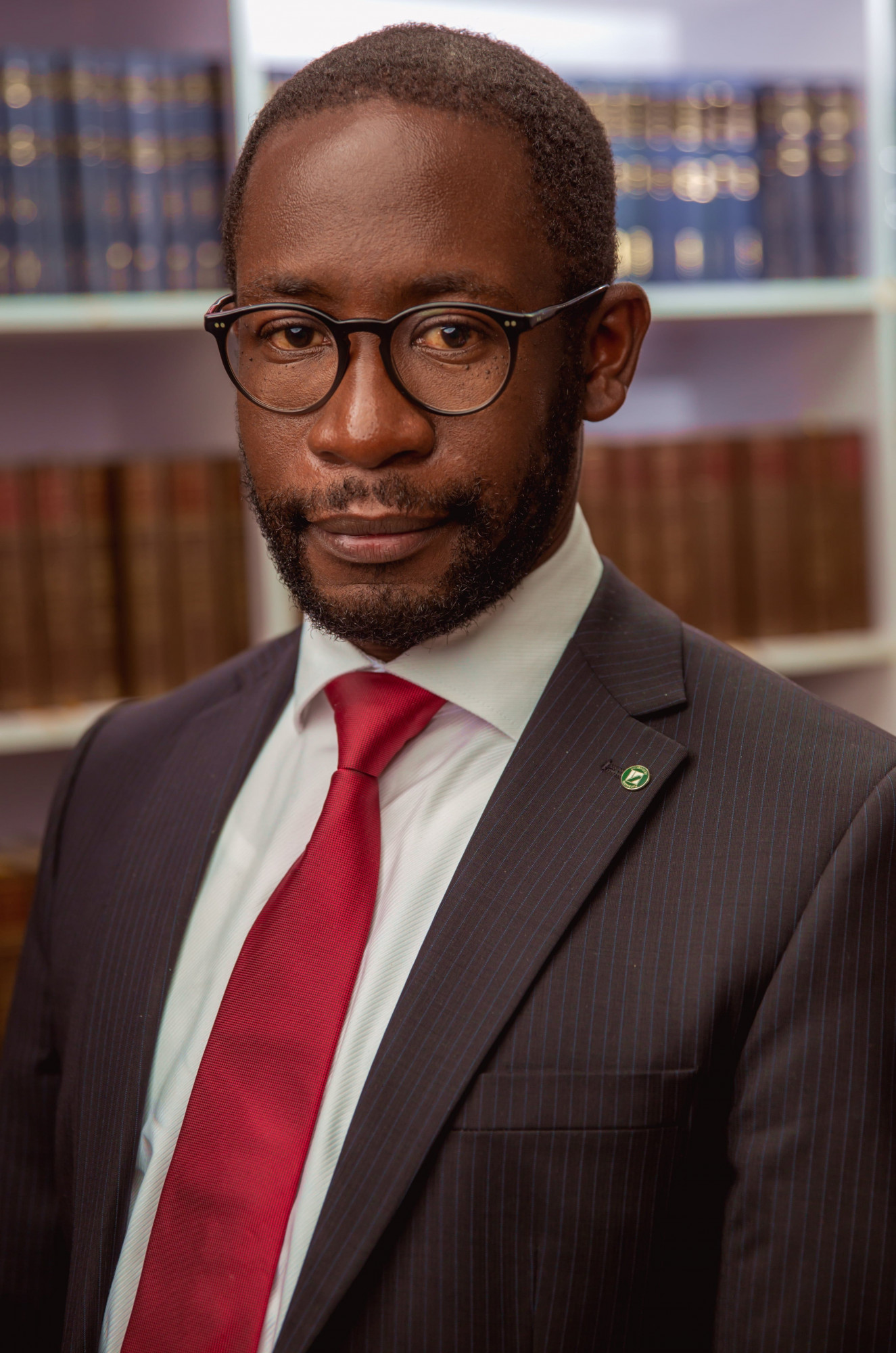
Dr. Owino is an expert in Environmental Law, Climate Change Law, Energy Law, and Natural Resources Law. He serves as a Judge of the Environment and Land Court of Kenya. He has previously served as a Senior Lecturer at the JKUAT School of Law in Nairobi and as a Partner at Acorn Law Advocates LLP. He holds a Dr. jur degree in international environmental law from Universität Bayreuth, Germany; an LLM from the University of Dar es Salaam; and an LLB from Moi University in Kenya. He is also a member of the IUCN World Commission on Environmental Law and a Rapporteur at the Sabin Center for Climate Change Law.
Moderator
- Dr. Radley Horton, Professor of Climate, Provost's Senior Faculty Teaching Scholar, Columbia Climate School
See bio above.
Speakers
- Douglas Kysar, Joseph M. Field ’55 Professor of Law at Yale Law School and faculty director of the Law, Environment and Animals Program
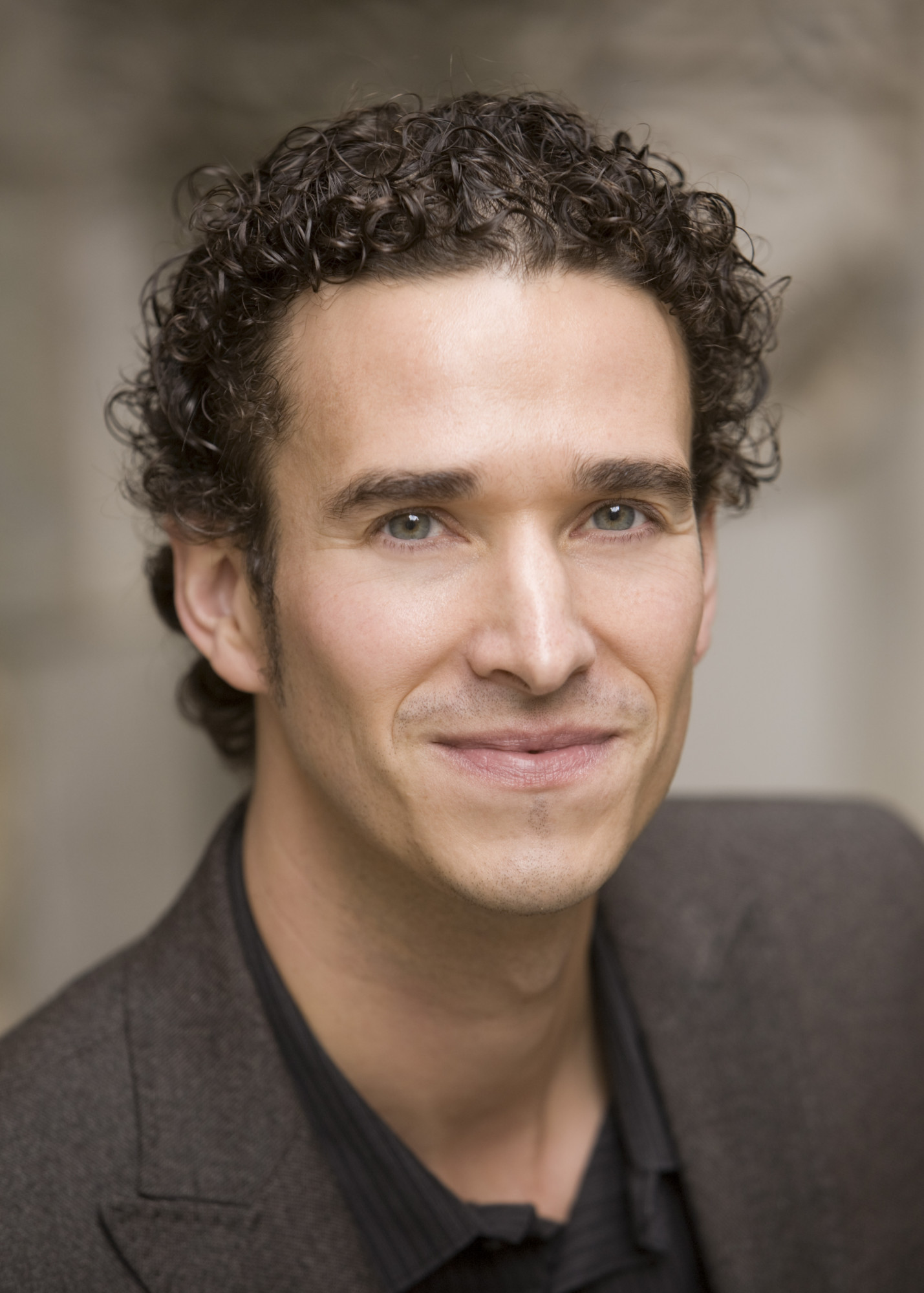
Professor Douglas Kysar's teaching and research areas include torts, animal law, environmental law, climate change, products liability, and risk regulation. Kysar was previously on the faculty at Cornell Law School. He received his B.A. summa cum laude from Indiana University in 1995 and his J.D. magna cum laude from Harvard Law School in 1998. Following law school, he clerked for the Honorable William G. Young of the United States District Court for the District of Massachusetts.
- Dr. Kristina Dahl, Vice President for Science, Climate Central
See bio above.
- Dr. Joyce Kimutai, Climate Attribution Scientist, World Weather Attribution Consortium, Centre for Environmental Policy, Imperial College London; Kenya Meteorological Services Authority
See bio above.
- Dr. Kristie L. Ebi, Professor, Center for Health and the Global Environment (CHanGE), University of Washington
See bio above.
- Sheila Foster, Professor, Columbia Climate School; Affiliated Faculty, Columbia Law School
See bio above.
- Dr. Justin Mankin, Associate Professor, Department of Geography, Dartmouth College
See bio above.
- Amina Bold, DPhil candidate in Socio-Legal Studies, University of Oxford — "From Attribution to Adjudication: How Courts Construct Climate Harm and the Public Interest"

Amina Bold is a DPhil candidate in Socio-Legal Studies at the University of Oxford. Her research examines the use of technical evidence in UK climate change litigation. She is interested in how courts use quantitative evidence, emissions data, disruption metrics and expert knowledge to construct legal ideas of harm, public interest and responsibility. More broadly, Amina's work is grounded in intersectional climate justice, asking how criminal law, environmental governance and structural inequality shape the legal response to climate crisis. She was previously a Research Assistant at King’s College London, where she investigated common law tax havens and neo-coloniality, and has interned at the Vera Institute of Justice and REFORM Alliance in New York City, supporting work on criminal and immigration legal reform.
- Emily Boyd, Director, Beijer Institute of Ecological Economics, Royal Swedish Academy of Sciences; Professor of Sustainability Science, Lund University — "Climate change litigation and intersectionality: what role for attribution science"
See speaker bio above.
- John Doherty, Science and Policy Analyst, Environmental Law Institute (ELI) — "Detection and attribution: A stocktake of the field and its application to climate governance"
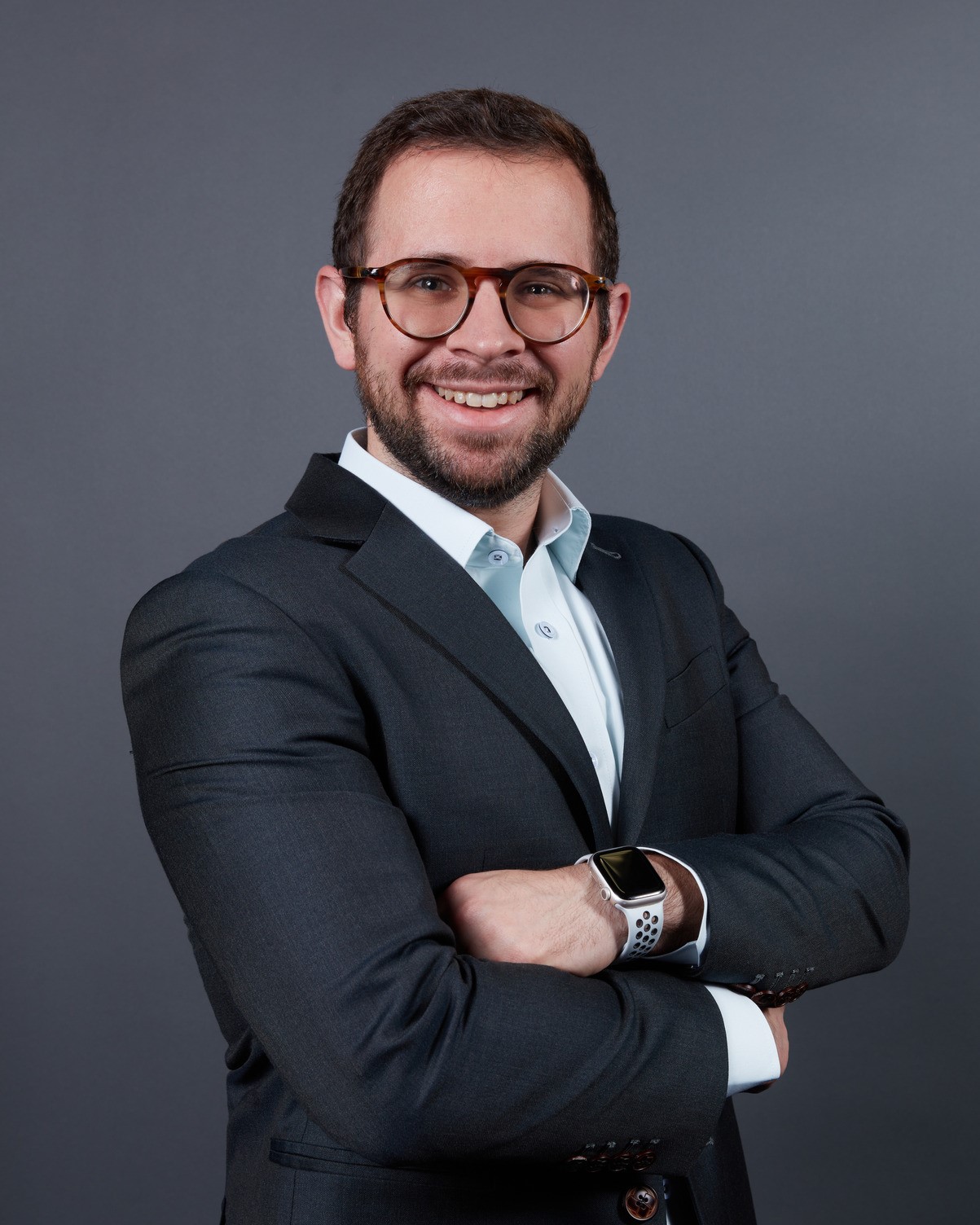
Dr. Doherty’s work aims to advance science-based governance solutions to today’s most pressing environmental challenges, including climate change and the various threats to humans and ecosystems that it multiplies. He works across a variety of programs and research projects at ELI – including on the Climate Judiciary Project, the impacts of climate change on people and nature, marine pollution, and deep-sea mining – with an eye toward understanding how science can be leveraged to inform law and policy. In addition to his role at ELI, Dr. Doherty is an Affiliate Researcher at Georgetown University’s Earth Commons Institute. He holds a Ph.D. in Earth Sciences from the University of Hong Kong, an M.S. in Environmental Science from American University, and a B.A. in Political Science from American University.
- Nadine Grimm-Pampe, Research Coordinator at Potsdam Institute for Climate Impact Research (PIK) — "Making Climate Impact Attribution Actionable: Insights from decision-makers and practitioners on the usefulness of climate change health impact attribution studies"
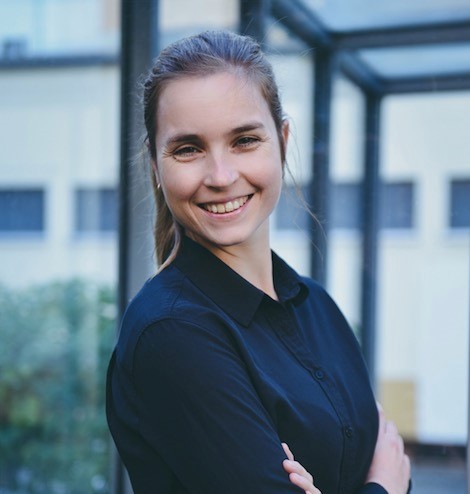
Nadine works at the Potsdam Institute for Climate Impact Research in the “Adaptation in Agricultural Systems” working group, where she coordinates and supports interdisciplinary research projects at the intersection of climate change, agriculture and development. A central focus of her work is on climate change impact attribution on child health via the ClimaKid project. Within ClimaKid, she researches on policy relevance and usefulness of attribution for decision-makers and practitioners and the integration of their needs and perspectives into attribution research. Prior to joining PIK, Nadine worked with the UN World Food Programme on climate adaptation and disaster risk management initiatives in humanitarian contexts across Rome, Panama, and Ecuador. She holds a M.A. in International Development from Sciences Po Paris and in Political Science from Freie Universitaet Berlin.
- Robin Happel, Lawyer, World’s Youth for Climate Justice — "Attribution Science & Loss of Chance Doctrine"
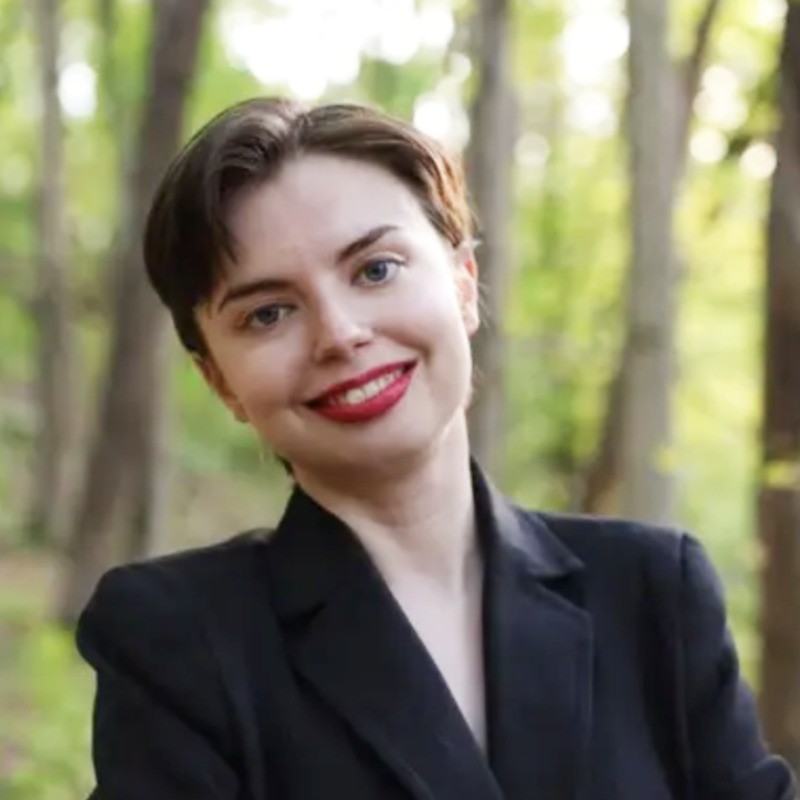
Robin Happel is an environmental lawyer who has worked with World's Youth for Climate Justice and a number of other non-profits. She is a graduate of the Elisabeth Haub School of Law and the Yale School of the Environment, and has been invited to speak by the UN Foundation, Carnegie Council, and other organizations around the world. Opinions are her own and not in an official capacity.
- Dr. Huanping Huang, Assistant Professor, Department of Geography & Anthropology; Director, Disaster Science and Management Program; Fellow, Coastal Studies Institute, Louisiana State University (LSU) — "Anthropogenic Influence on the Category 5 Hurricane Milton (2024)"
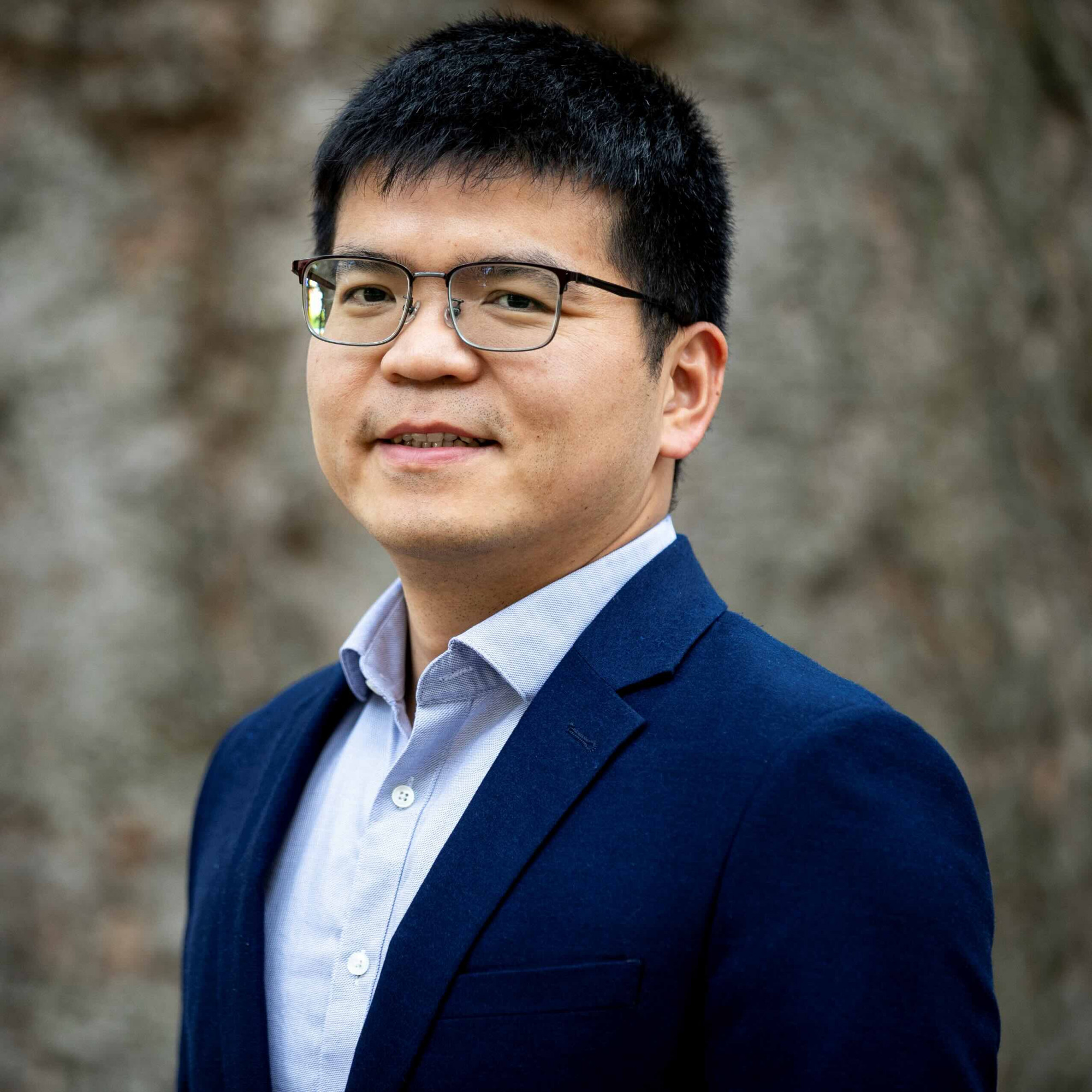
Huanping Huang is an assistant professor of physical geography at LSU, where he leads the Climate Extremes and Modeling Group and directs the Disaster Science and Management program. His research seeks to understand and predict climate extremes—especially tropical cyclones and extreme precipitation—through big-data analytics and numerical modeling. In particular, he applies high-resolution dynamical downscaling to understand the effects of natural variability and anthropogenic forcing on climate extremes and the physical processes through which they are linked. These efforts aim to improve predictive understanding of extreme events and strengthen societal resilience to future climate risks. He received a BS in Geographical Information System from China Agricultural University, a MS in Meteorology from Chinese Academy of Agricultural Sciences, and a PhD in Earth Sciences from Dartmouth College.
- Andrew Kruczkiewicz, Senior Researcher, Columbia University Climate School — "The Human and Societal Impacts of Climate Overshoot"
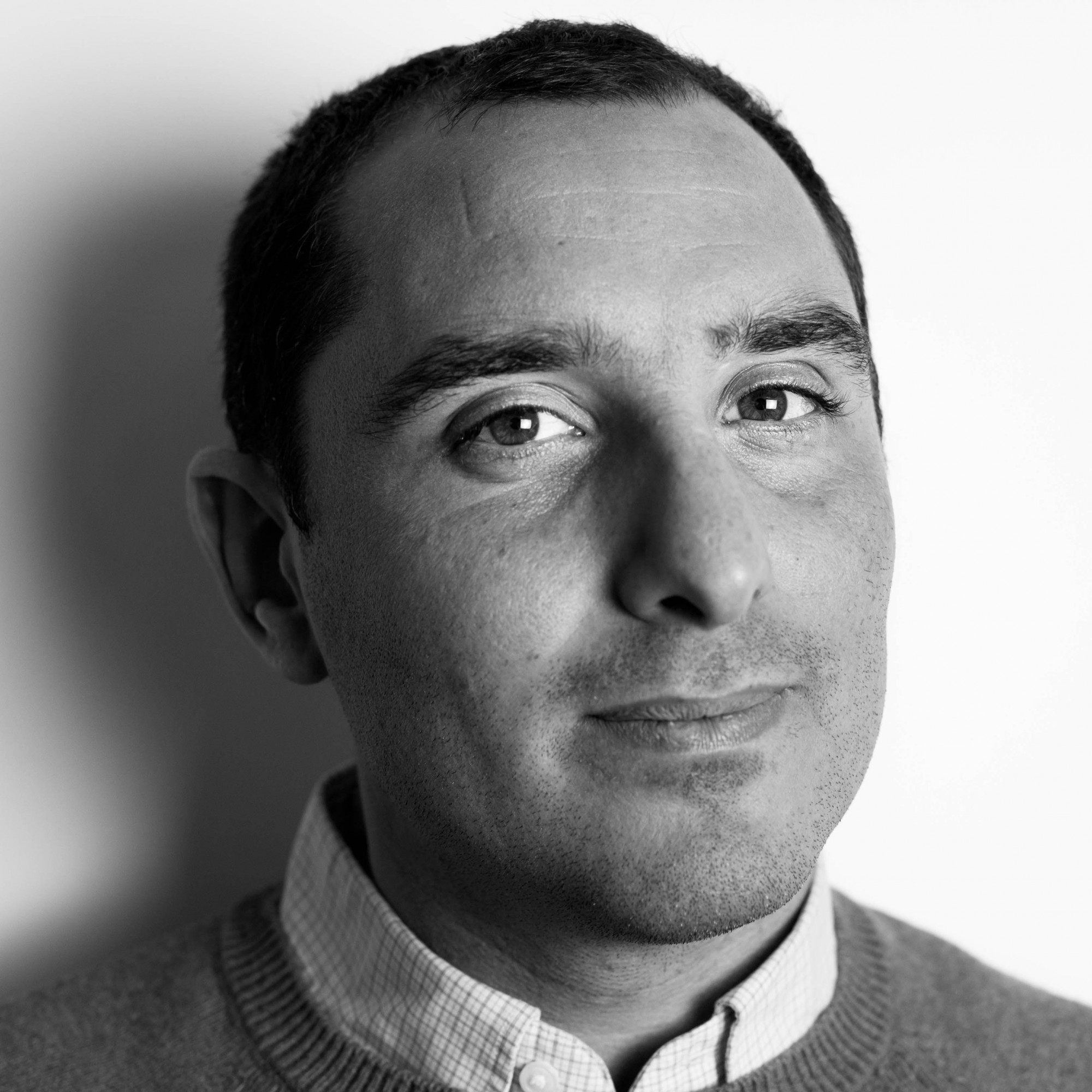
Andrew Kruczkiewicz is Senior Staff Researcher at Columbia University, at the Columbia Climate School, with the National Center for Disaster Preparedness (NCDP) and International Research Institute for Climate and Society (IRI). At the Climate School, Andrew is Co-Director of the Interdisciplinary Network on Conflict and Resilience for Interdisciplinary Science and Practices in Climate Overshoot (CRISP). He is also Faculty Lecturer within the Climate School, in the Climate and Society and M.S. in Climate graduate programs. Andrew is Science Adviser at the Red Cross Red Crescent Climate Centre.
- Dr. Delta Merner, Lead Scientist, Science Hub for Climate Litigation, Union of Concerned Scientists — "Using Artificial Intelligence to Create a Gridded Climate Extremes Dataset"
See speaker bio above.
- Nicholas Petkov, Research Assistant, Grantham Research Institute on Climate Change & the Environment, London School of Economics and Political Science — "Attribution science, causal chains and the construction of narratives in ‘Polluter pays’ climate litigation"
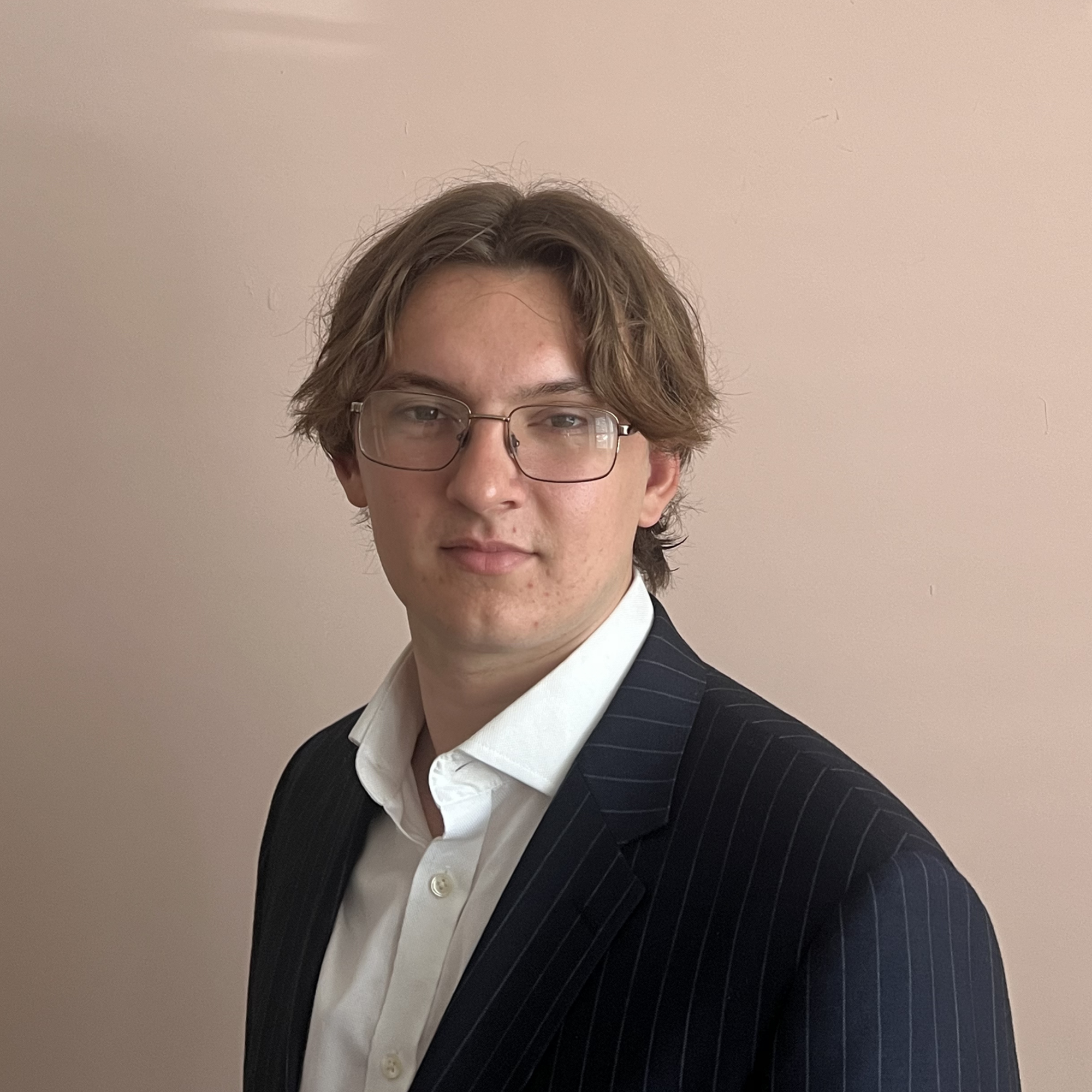
Nicholas is a Research Assistant in Climate Science and Law at the Grantham Research Institute, London School of Economics, where he works on the project 'Making the Evidence Count: Climate Science in the Courtroom' led by Dr Noah Walker-Crawford. His research examines how different types of climate science are used by parties and received by courts in climate litigation. Nicholas holds a BA in Law and Anthropology from LSE. He is also a Graduate Research Assistant at King's College London, where his work focuses specifically on how impact attribution science can be mobilised as legal evidence.
- Paul Rink, Associate Professor of Law, Seton Hall Law School — "The Limits of Temperature Targets for Ensuring Climate Rights"
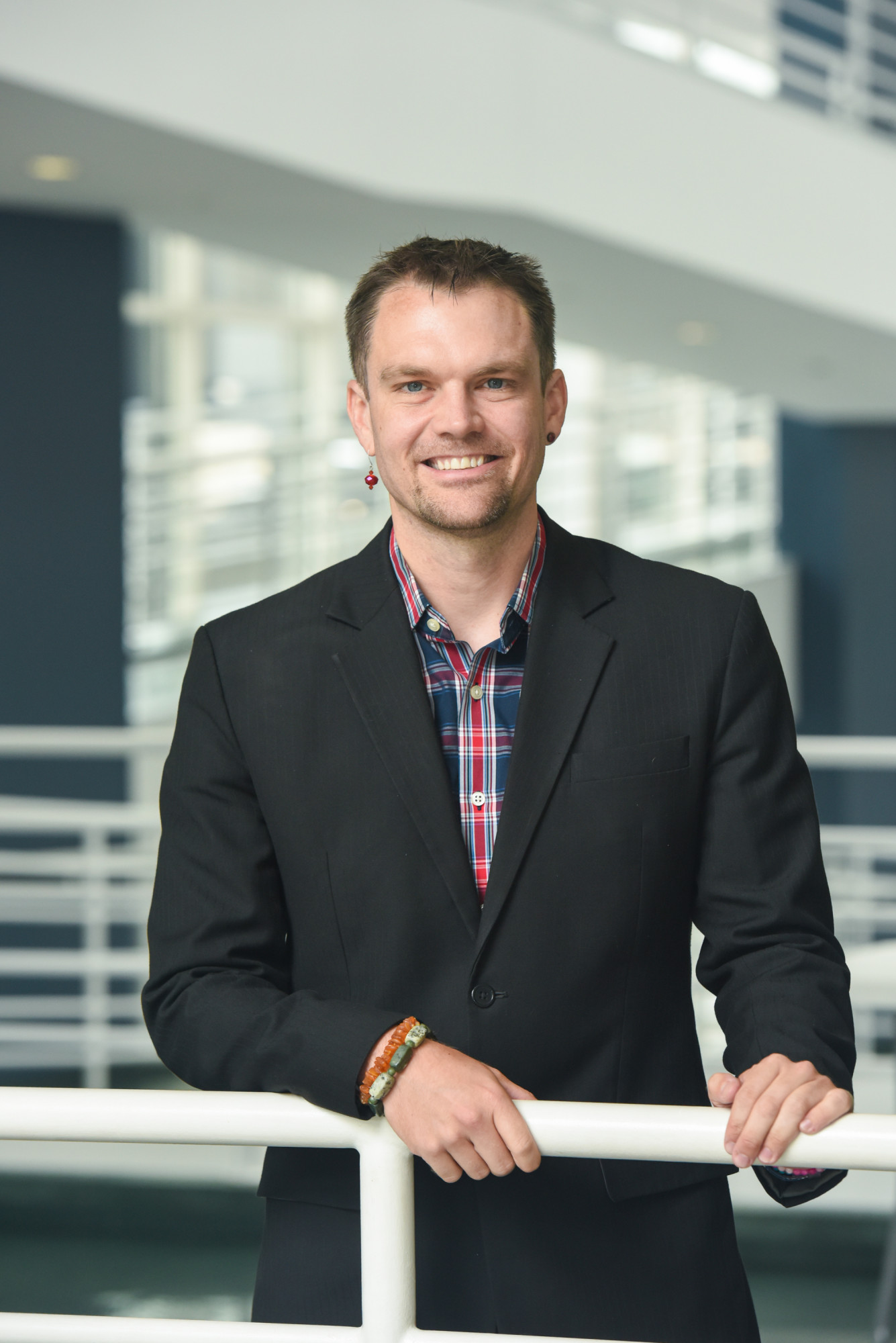
Paul Rink (they/he/she) conducts research at the intersection of climate change and the law, particularly in the areas of environmental law, international law, and human rights law. Prior to joining the faculty at Seton Hall Law School, Professor Rink held a position as a Visiting Assistant Professor at the Elisabeth Haub School of Law at Pace University. Professor Rink's scholarship has appeared or will appear in many publications such as the Harvard Environmental Law Review, the Oxford Handbook on International Environmental Law, the Colorado Law Review, and the Yale University Press book A Better Planet: Forty Big Ideas for a Sustainable Future. Their writing has received numerous honors and recognitions, including most recently the 2025 Feng-Shan Ho Prize from the National Chengchi University College of International Affairs. Professor Rink has given presentations around the world from Taipei, Taiwan to Lima, Peru and regularly contributes legal commentary to Bloomberg Law as well as other local, national, and international media outlets.
- João Tadeu Alves dos Santos, PhD candidate, Energy Technology at the University of São Paulo — "Climate-Related Urban Power Outages: Attribution of Social Impacts in São Paulo’s Electricity System"
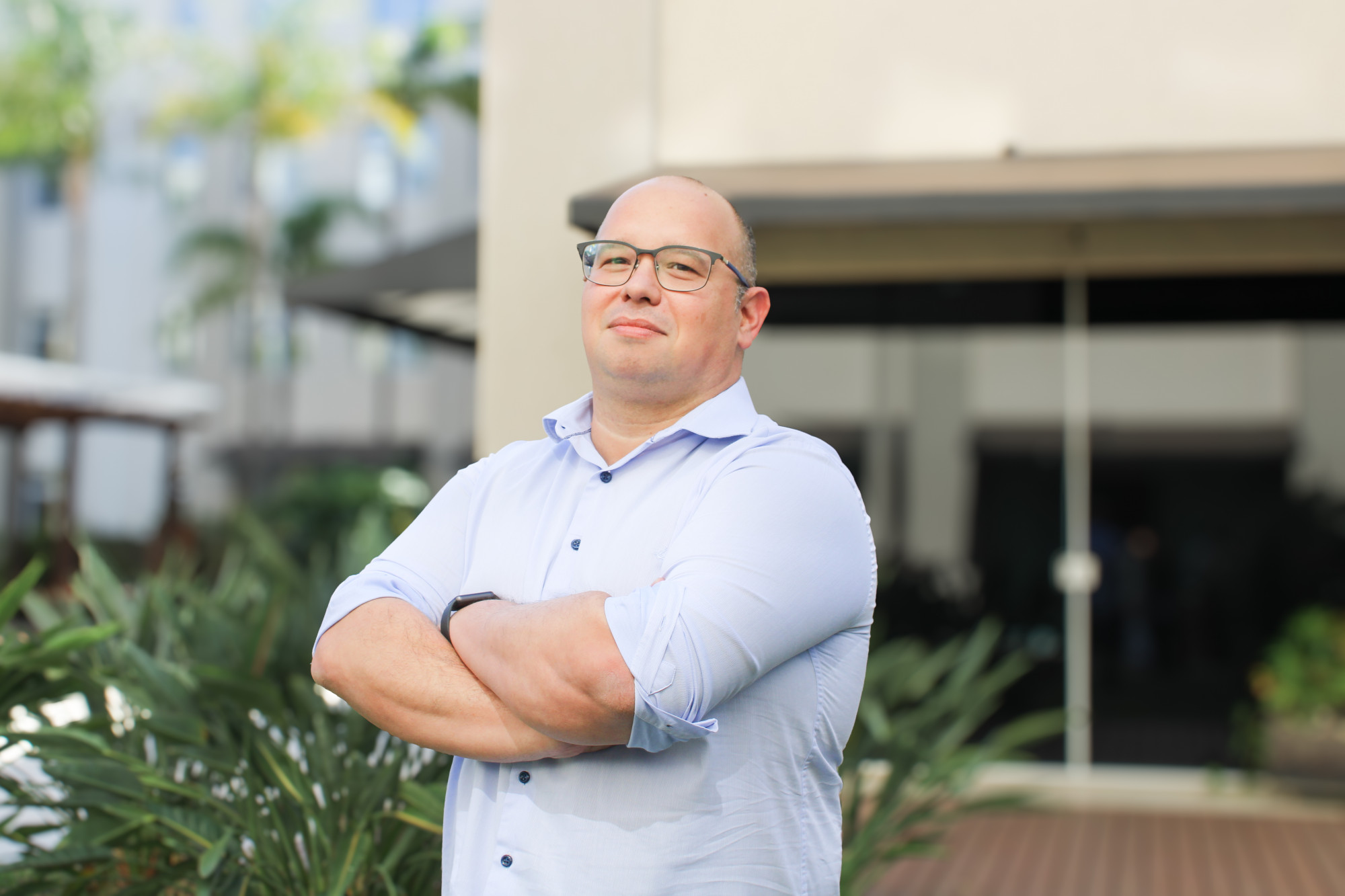
João is a PhD candidate in Energy Technology at the University of São Paulo, holding an MSc in Energy Analysis and Planning from the same institution. He works on the integration of artificial intelligence, blockchain, and emerging technologies applied to critical infrastructure, with a focus on energy, climate resilience, and digital governance. He has more than 20 years of experience in software engineering, critical systems, and applied research, development, and innovation. He was recognized as a PhD Bright Mind at the AI & DX Electric Power Summit 2025, organized by Stanford University and EPRI.
- Jared Trok, PhD student, Stanford University — "Extreme event attribution for fractional shares of global emissions"
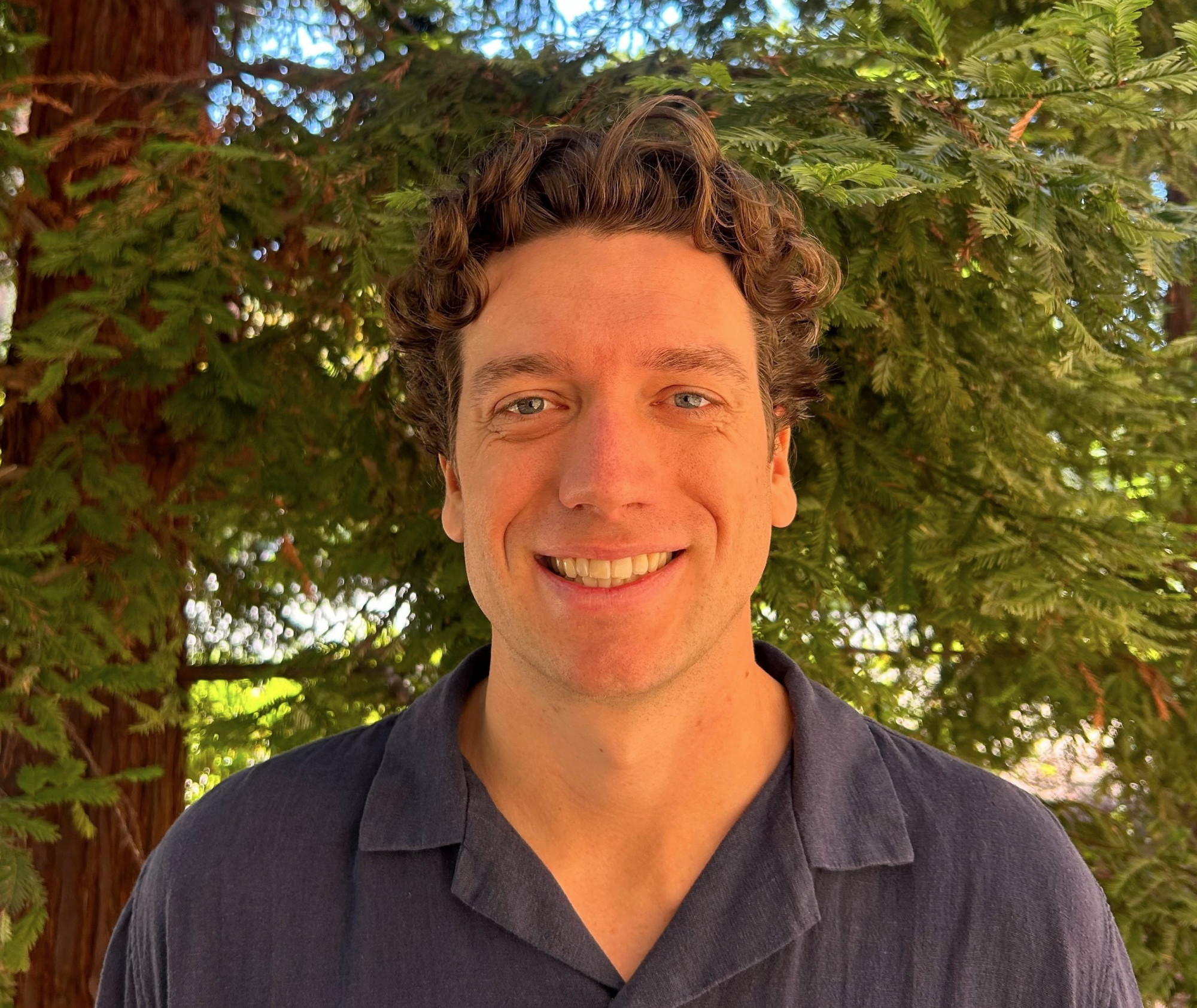
I am a PhD student at Stanford's Doerr School of Sustainability, advised by Prof. Noah Diffenbaugh. My current research uses explainable machine-learning techniques to study the influence of climate change on extreme weather events and their impacts. Prior to 2021, I was at the University of California–Davis studying Atmospheric Science and Applied Mathematics. In my free time, I enjoy running, hiking, and boogie boarding.
- Olivia Vashti Ayim, DPhil candidate, University of Oxford — "How Reliably Can We Estimate Changes in Extreme-Event Probabilities? A Reforecast Ensemble Approach"

Olivia Vashti Ayim is a climate scientist and DPhil candidate at the University of Oxford under the supervision of Prof. Myles Allen. She is keenly interested in how extreme weather events are changing in a warming world, with a current focus on temperature extremes and heatwaves. Her research explores trends in the probability and intensity of these events using weather reforecast data, with applications in event attribution and climate risk assessment. She is especially drawn to the intersection of local extremes and large-scale climate signals, and to how ensemble forecasting and statistical methods can be used to reliably quantify rare events. On completing her doctorate, she will take up a postdoctoral position at Oxford's Blavatnik School of Government, working on the links between climate extremes and child health outcomes. Olivia holds a Master's in Atmospheric Science and Technology from Sapienza University of Rome and the University of L'Aquila, and a Postgraduate Diploma from the Abdus Salam International Centre for Theoretical Physics in Trieste. She is President of the Oxford Ghana Society and Vice President of African Researchers Academy-Women, an organisation supporting women in STEM.
- Dr. Leehi Yona, Gearns & Russo Faculty Fellow of Environmental Law, Assistant Professor of Law, Cornell Law School — "What (and Who) Counts? Greenhouse Gas Accounting Gaps"
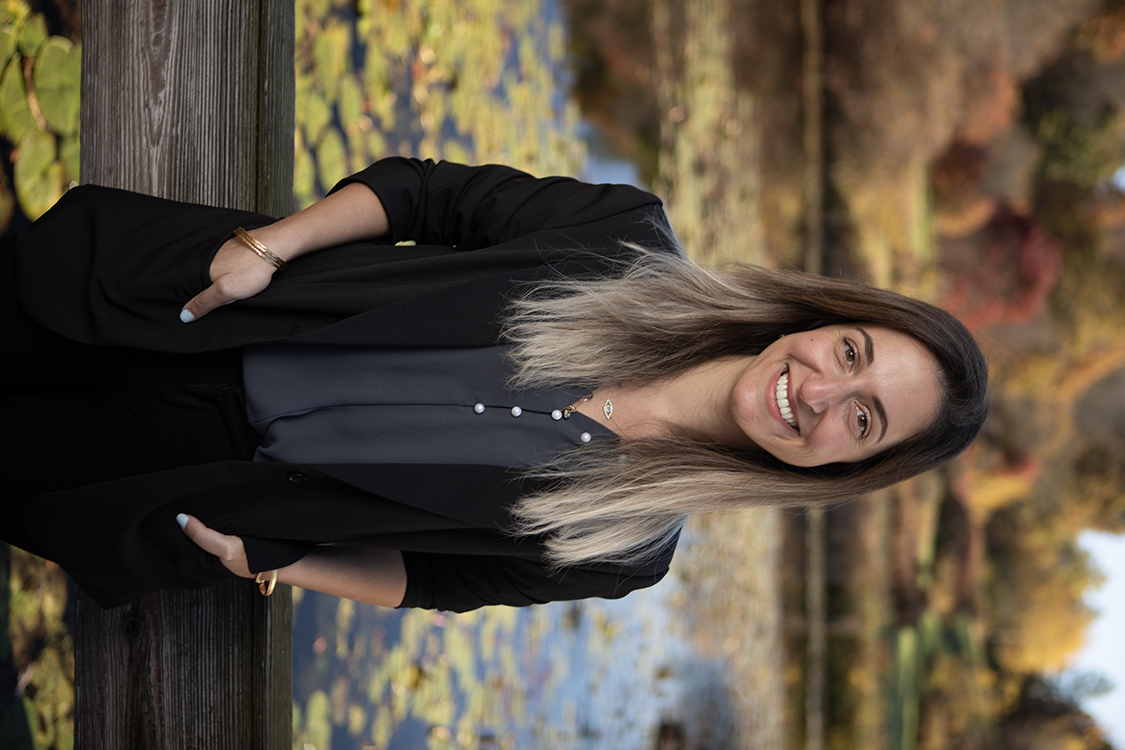
Dr. Leehi Yona is the Gearns & Russo Faculty Fellow of Environmental Law and Assistant Professor of Law at Cornell Law School, where she specializes in environmental and climate change law. Her research focuses on legal frameworks for greenhouse gas accounting, climate justice and science, and regulatory strategies for transformative environmental governance. Professor Yona’s research examines interdisciplinary approaches to greenhouse gas accounting, addressing the challenges and gaps in current climate laws and policies and exploring ways to improve them. Her research has been published or is forthcoming in the Harvard Environmental Law Review, Ecology Law Quarterly, UCLA Law Review, Nature, Nature Sustainability, and the Journal of Environmental Science and Policy. She holds a JD from Stanford Law School, a PhD in Environment and Resources from the Stanford School of Sustainability, a Master of Environmental Science from Yale University, and an AB in Biology, Environmental Studies, and Public Policy from Dartmouth College.